ASIA'S MOST BEAUTIFUL VILLAGE: PRESERVING TRADITIONAL CULTURE, BUILDING SUSTAINABLE LIVELIHOODS
LongForm - Ngày đăng : 21:51, 27/08/2026
After the administrative merger, Ta Van commune is positioning itself as a distinctive destination rich in natural and cultural assets by promoting tourism in harmony with landscapes, environmental protection and the preservation of traditional culture, helping strengthen tourism and services as a key pillar of the local economy.
{Tên chuyên mục}
ASIA'S MOST BEAUTIFUL VILLAGE: PRESERVING TRADITIONAL CULTURE, BUILDING SUSTAINABLE LIVELIHOODS
VNA•{Ngày xuất bản}
After the administrative merger, Ta Van commune is positioning itself as a distinctive destination rich in natural and cultural assets by promoting tourism in harmony with landscapes, environmental protection and the preservation of traditional culture, helping strengthen tourism and services as a key pillar of the local economy.
As August arrives each year, sunlight bathes the mountains of Lao Cai, transforming the terraced fields of Ta Van commune into a vibrant green landscape that draws visitors from Vietnam and abroad. By linking tourism development with environmental protection and the preservation of traditional culture, Ta Van, following administrative restructuring, is emerging as a destination rich in cultural identity and natural resources. Tourism and services are strengthening their role as a key pillar of the local economy.
An ideal trekking destination
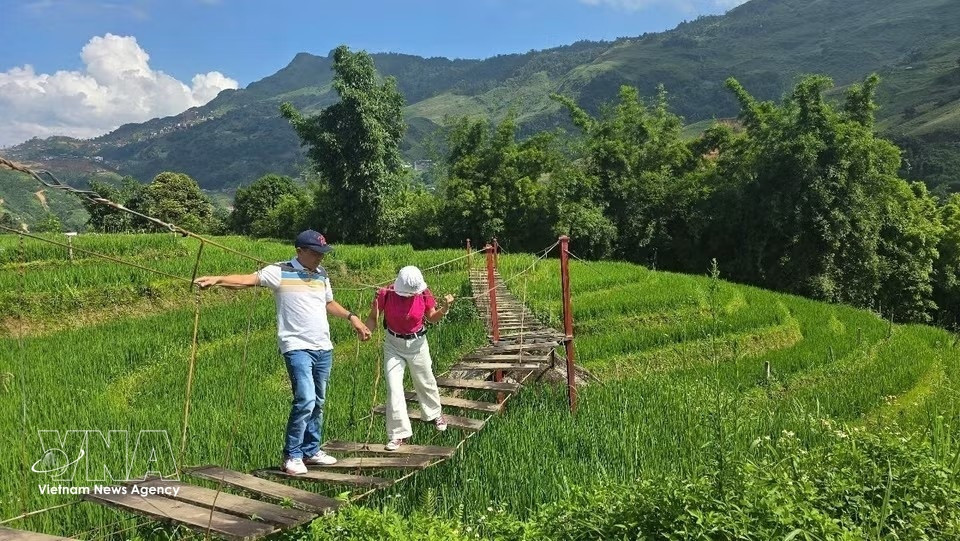
Recently, Ta Van village was named by Hong Kong (China)'s South China Morning Post (SCMP) among Asia's six most beautiful "villages in the clouds", alongside destinations in China, Bhutan, the Philippines and India. One of the defining features that has made Ta Van one of Lao Cai's most popular destinations for international visitors is its nationally recognised terraced rice fields, crossed by scenic trekking routes that offer ideal opportunities for those seeking outdoor activities and close encounters with nature.
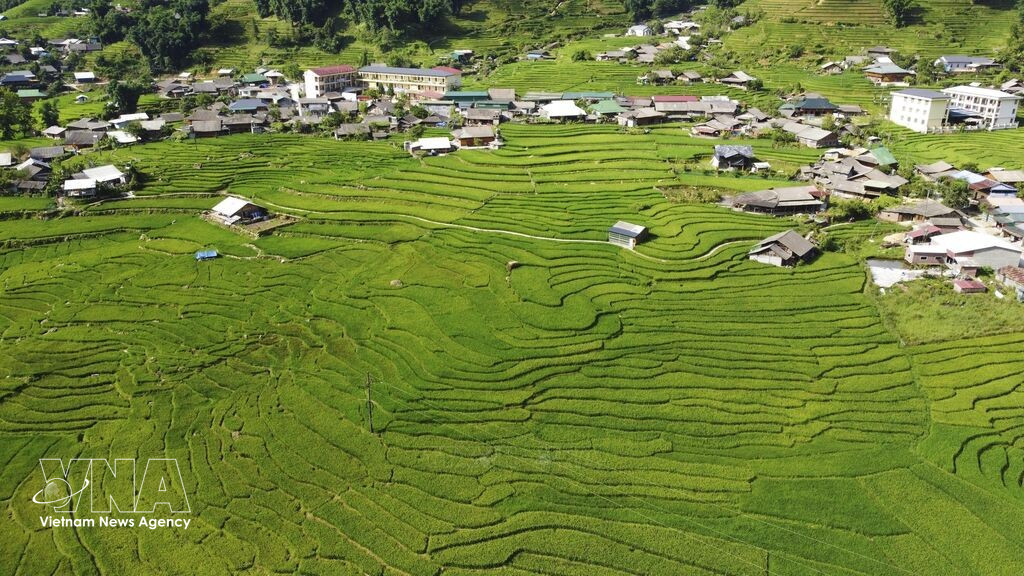
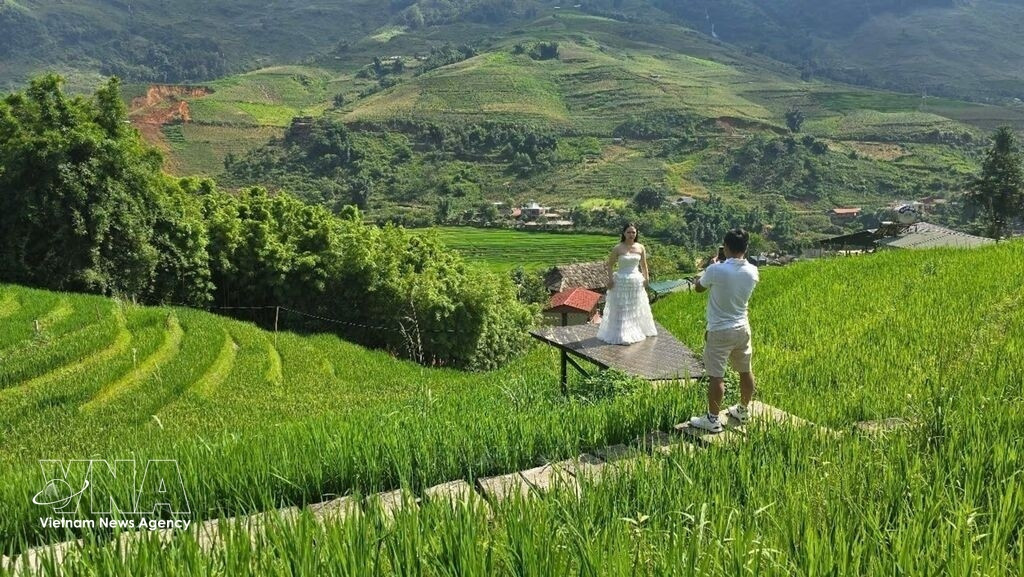
Ta Van village offers ideal trekking trails for those who enjoy outdoor activities and want to get close to and explore nature. (Photo: VNA)
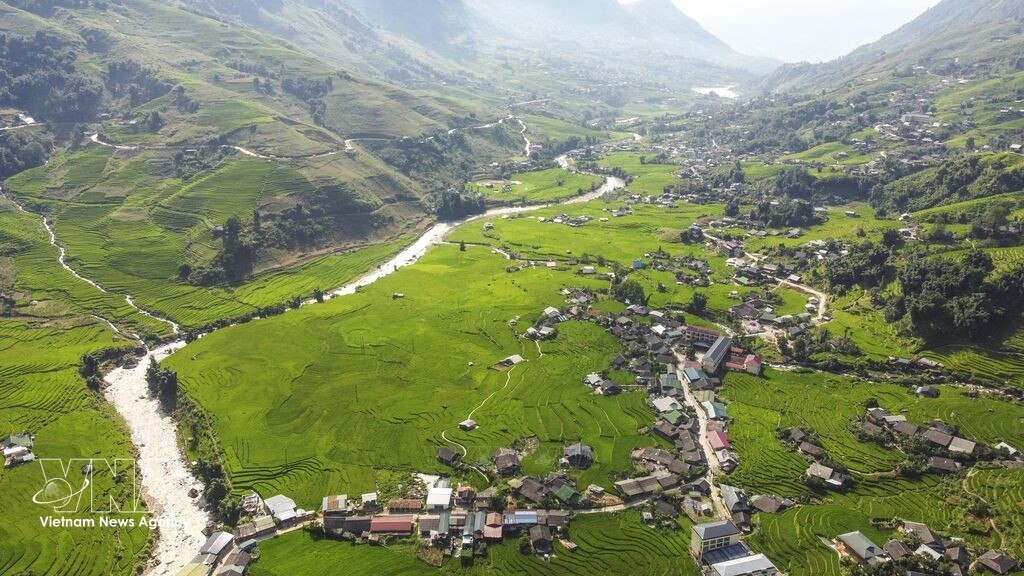
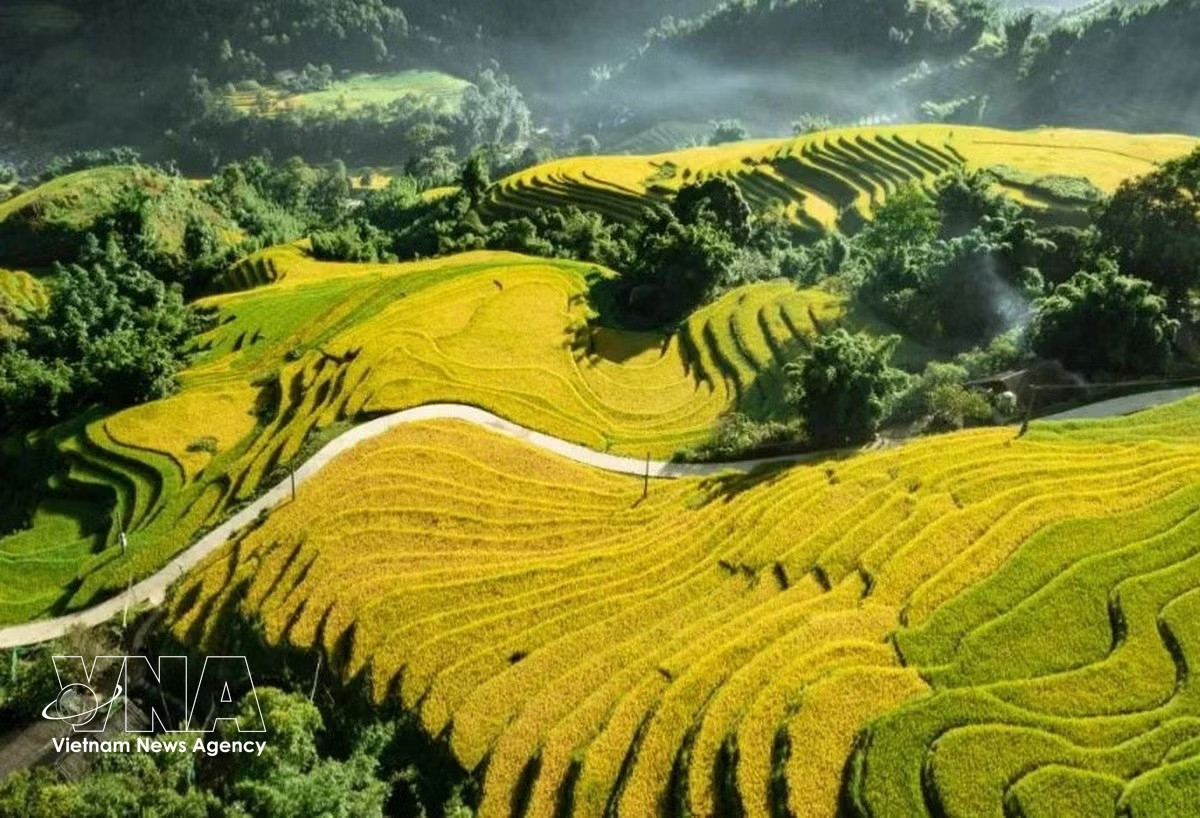
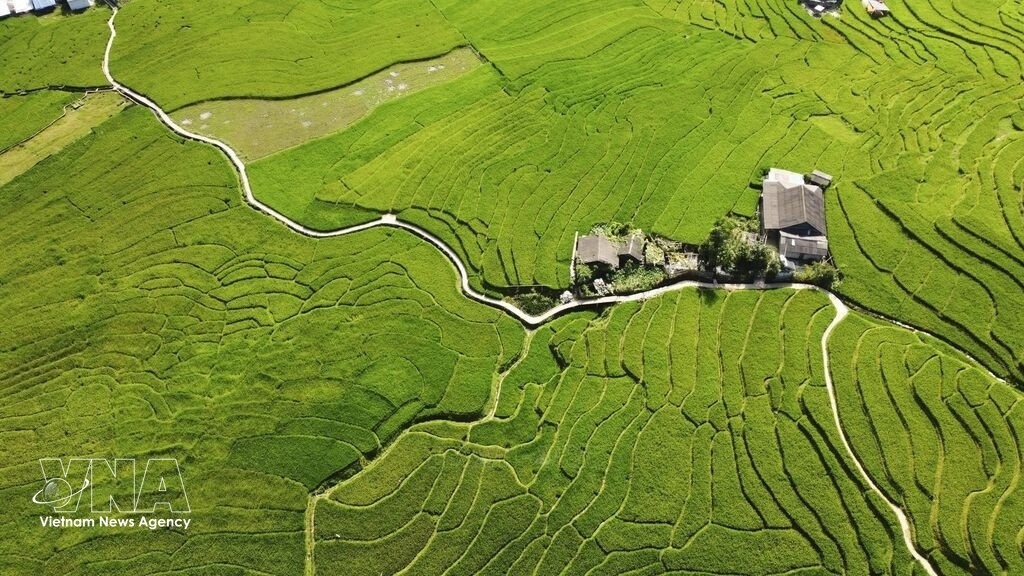
Nestled in the lush Muong Hoa valley, Ta Van is home primarily to the Giay, Mong, and Dao ethnic communities. Traditional wooden stilt houses are scattered along the mountainsides, surrounded by terraces that change colour with the seasons — fresh green as the rice grows, brilliant gold at harvest time and shimmering with water during the planting season.
At this time of year, green rice carpets the hillsides and spills into the valley, embracing villages and winding around the picturesque Muong Hoa stream. The tranquil scenery and vibrant landscape offer a glimpse of the golden harvest to come, making this an ideal time to experience the pristine beauty of Lao Cai's highlands.
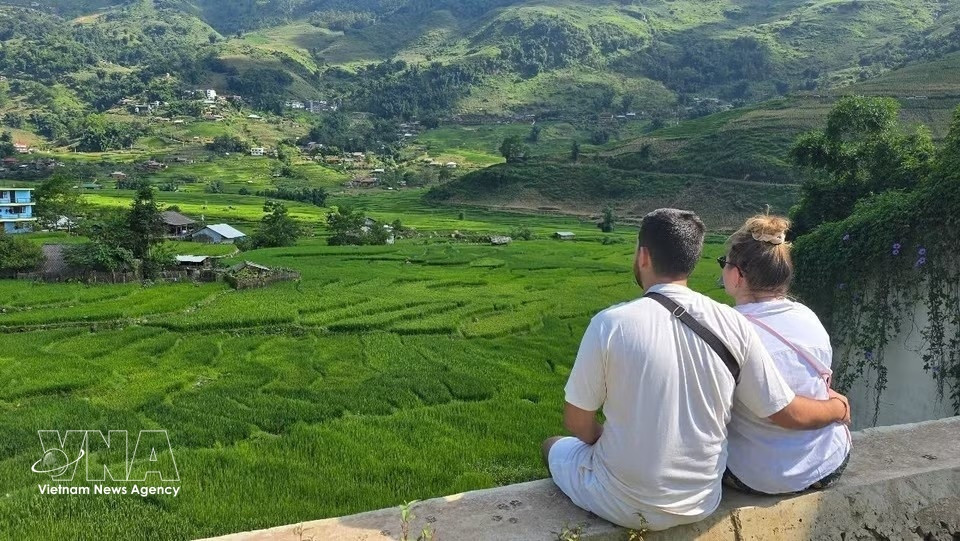
Ta Van nestles in the lush green Muong Hoa valley. (Photo: VNA)
During the season, the "Com Lam" homestay, operated by Vang Thi Nguyen's family in Ta Van Mong village, is packed with international visitors thanks to its sweeping views of the emerald terraces. French visitor Cléméntine Durand said she returns to Ta Van every year between August and October to watch the rice fields gradually change from green to gold.
“
Every morning, when I wake up and open the window, I see the endless green terraces. It's incredibly relaxing!
Cléméntine Durand, a French visitor
Ta Van is also well suited to leisurely walks along the terraces and the winding Muong Hoa stream. Visitors can often be seen strolling through the valley, stopping along the way to take photographs and explore the highland landscape.
A group of Indian tourists recently walked through the Muong Hoa valley in search of scenic viewpoints. They had initially planned to take a taxi from Sa Pa ward, but the scenery was so captivating that they decided to get out and continue on foot. They just stopped and took a rest whenever they got tired. In return, they saw these beautiful rice fields up close and capture some amazing photos and videos, said Archisha, a member of the group.
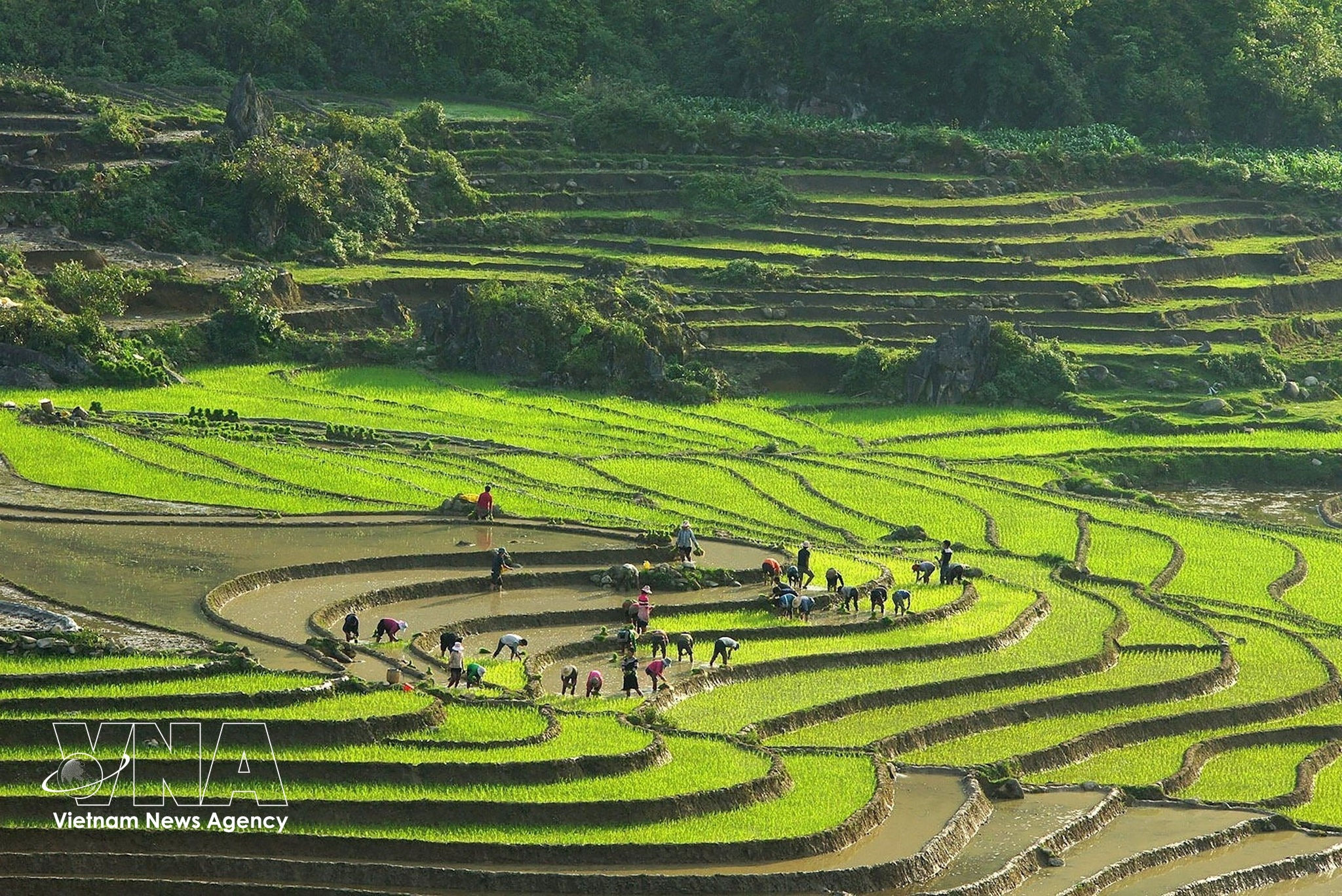
Beyond their visual appeal, Ta Van's terraced fields are a powerful symbol of the cultural heritage of the ethnic communities living here. They are the result of generations of cultivation, earthwork, and water management.
The diligent and skilled hands of local ethnic communities have created a breathtaking landscape that not only supports livelihoods but also helps shape their cultural identity. (Photo: VNA)
Through generations of painstaking labour, local people have created a remarkable landscape that not only sustains their livelihoods but also reflects and preserves the cultural identity of the highlands.
Preserving landscape, sustaining livelihoods
Following the administrative restructuring, Ta Van commune has tripled in size, encompassing the Muong Hoa valley, the foothills of the Hoang Lien mountain range, and traditional villages of the Mong, Dao, and Giay ethnic communities. This has created a diverse natural and cultural landscape.
The Ta Van terraced rice fields, part of the national-level scenic landscape heritage site, cover more than 700 hectares. The commune is also home to more than 60 family-run homestays and high-end resorts, as well as pristine forests and trekking routes that continue to enhance its appeal to visitors.
Recognising that preserving the landscape is essential to sustainable tourism and local livelihoods, residents, tourism operators and local authorities are working together to strengthen awareness of and responsibility for protecting the area.
Measures are being taken to prevent and address violations of land and construction regulations and to ensure that development does not encroach on the protected landscape.
The national-level scenic landscape of terraced rice fields in Ta Van covers more than 700 hectares. (Photo: VNA)
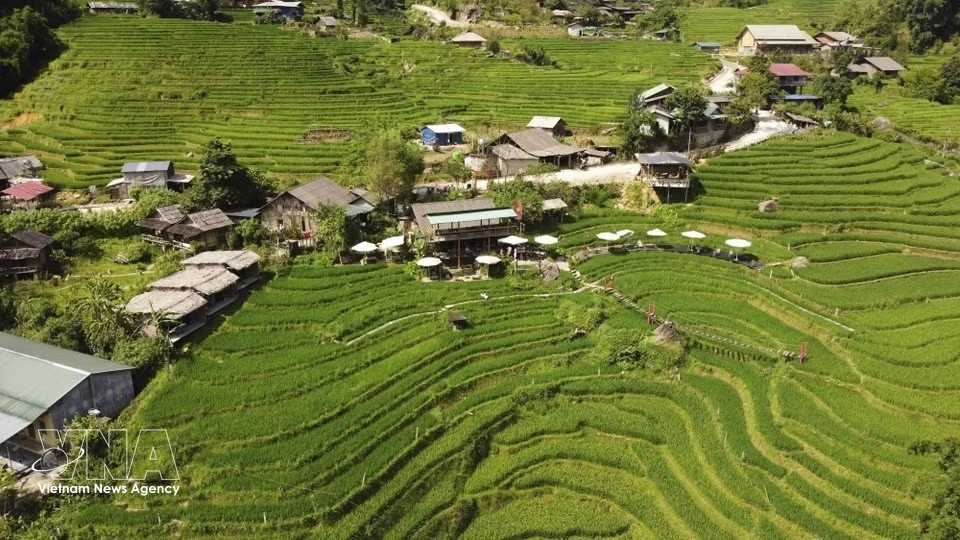
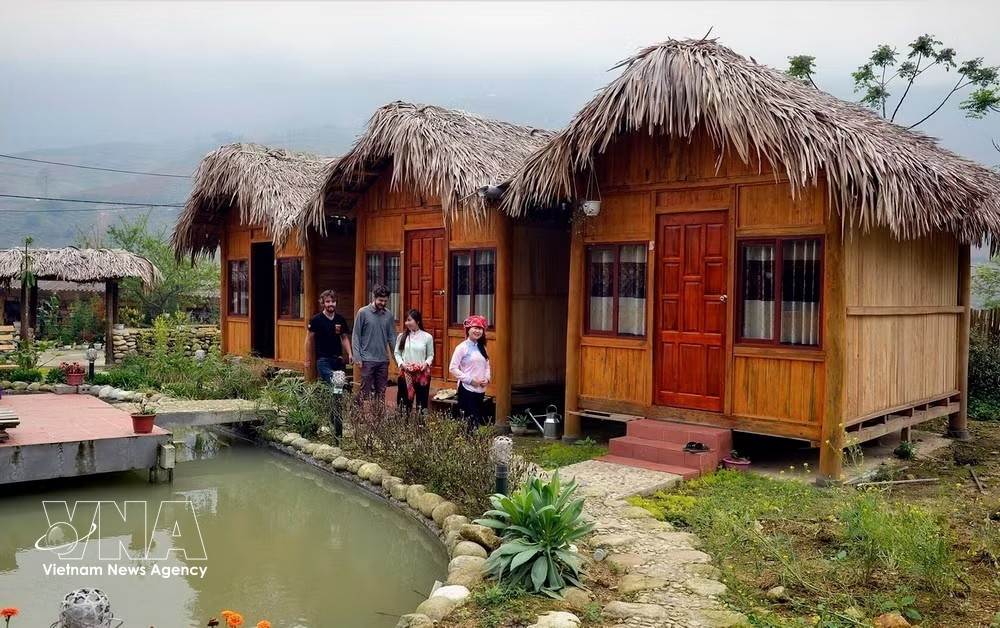
Taking advantage of the beauty of the rice terraces, many tourism businesses and homestays have created rest and relaxation areas for visitors. Designed to be environmentally friendly and avoid encroaching on agricultural land, these facilities preserve the existing rice fields while offering visitors distinctive experiences rooted in the local landscape.
Homestay services in thatched-roof stilt houses in Ta Van commune are a magnet for foreign tourists. (Photo: VNA)
Vang Minh Duc, who runs a network of homestays and a restaurant in Ta Van commune, said his family builds its facilities with maximum respect for the surrounding environment.
The rice terraces around the homestay and restaurant remain intact and continue to be cultivated.
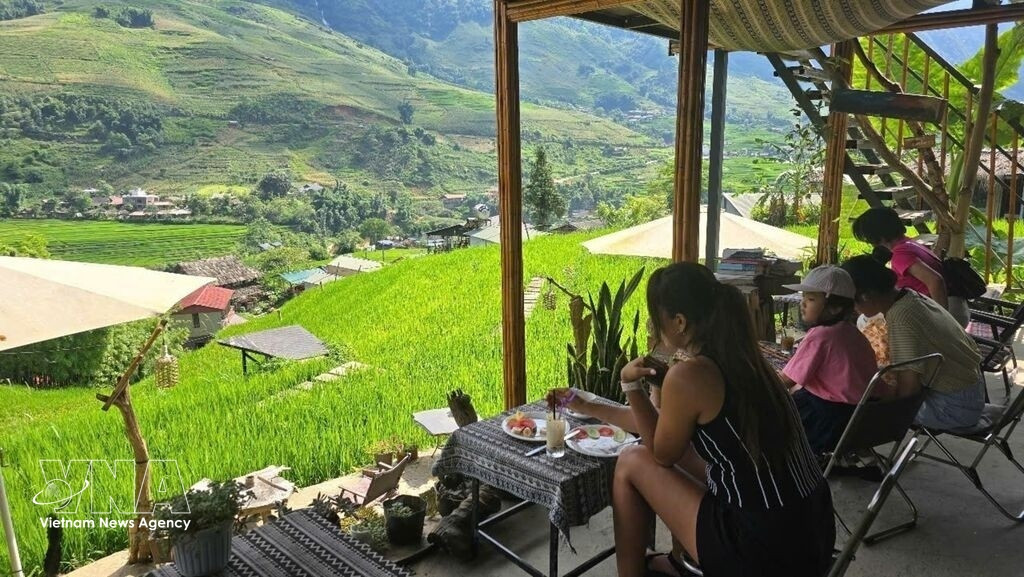
"For our homestay, we use traditional stilt houses with thatched roofs and verandas overlooking the rice fields. At the restaurant, we have built small bamboo and wooden huts along the field edges where visitors can enjoy coffee while taking in the scenery," he said.
Many other tourism businesses in Ta Van have adopted similar approaches, creating spaces that remain close to nature while opening up views of the lush terraces.
Capitalising on the poetic beauty of terraced rice fields during rice growing and ripening seasons, many tourism businesses and homestay facilities have creatively desgined rest and relaxation spots for visitors. (Photo: VNA)
After the rice harvest, local residents plant rapeseed, adding another seasonal attraction to the landscape.
"Rapeseed is easy to grow and care for. We can use it for our families or cut some of the plants and sell them. Around Tet, the flowering stalks can be harvested and sold, providing an additional source of income. At the end of the season, the plants produce beautiful flowers that are a draw for tourists," said Ly Thi Sen, a resident of Ta Van Giay village.
As living standards improve, local residents have become increasingly conscious of protecting the national scenic heritage site.
"Our grandparents and parents left us these fields to cultivate. We have continued growing rice and vegetables while developing tourism to earn additional income. We are proud of what we have, so we have to protect it so that our children and grandchildren can enjoy it in the future," said Ma Thi Dinh of Ta Van Mong village.
Ensuring sustainable livelihoods through appropriate policies and practical mechanisms is considered essential to preventing damage to the Sa Pa terraced rice field national scenic heritage site and ensuring its long-term preservation. Strong involvement from local authorities is still essential. A major challenge currently being tackled is how to plan land use and organise residential areas in and around the core zone of the heritage site.
Cao Ba Quy, Chairman of the Ta Van commune People's Committee, said the commune is working to restore discipline in land use and construction management. Authorities are encouraging residents to sign commitments to comply with land and construction regulations, report violations, register for land-use rights certificates, and follow legally required construction procedures.
Mass organisations and community groups in the villages are also coordinating with local authorities, village task forces, police, military personnel, and militia units to prevent violations of land and construction regulations.
Through the combination of heritage conservation, responsible tourism and sustainable livelihoods, Ta Van is seeking to preserve the character of its highland communities while turning its exceptional natural and cultural assets into a lasting source of prosperity for local people./.
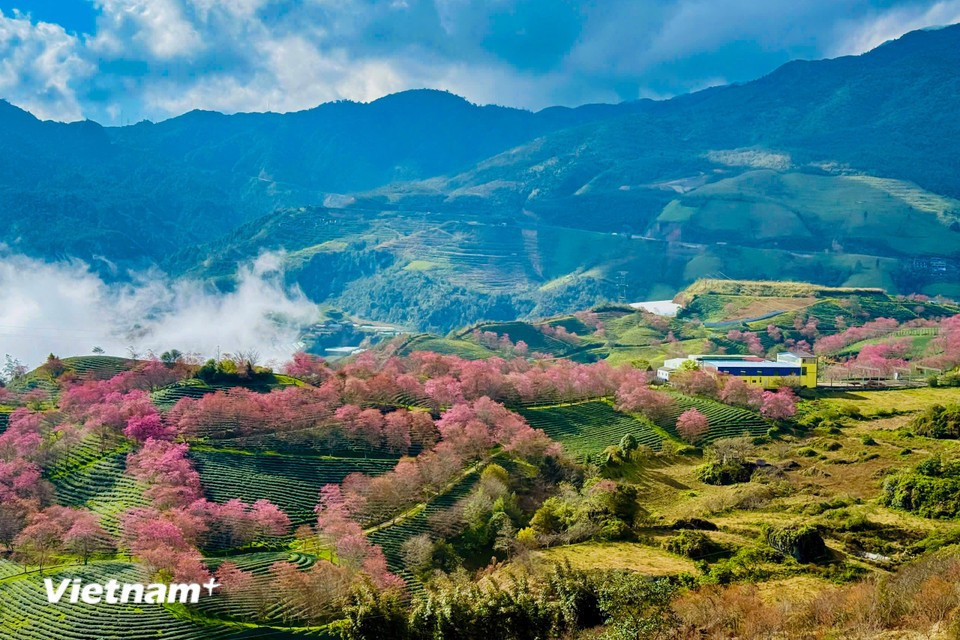
Sa Pa captivates visitors year-round with ever-changing scenery across the four seasons and the rich cultural diversity of ethnic communities in the highlands. (Photo: VNA)