VIETNAM EYES HEALTHCARE MODERNISATION FROM GRASSROOTS FOUNDATION, TECHNOLOGY APPLICATION
LongForm - Ngày đăng : 17:04, 19/08/2026
{Tên chuyên mục}
VIETNAM EYES HEALTHCARE MODERNISATION FROM GRASSROOTS FOUNDATION, TECHNOLOGY APPLICATION
{VNA}•{Ngày xuất bản}
The healthcare sector has undergone significant transformation in recent years to realise the Politburo’s Resolution No. 72-NQ/TW on breakthrough solutions to improve healthcare delivery and public health. The reforms focus on reshaping approaches to community health management, strengthening grassroots healthcare, investing in specialised medical services, and achieving greater technological self-reliance in vaccine production, with the goal of ensuring sustainable development and social welfare.
Strengthening grassroots healthcare capacity
To implement the objectives set out in Resolution No. 72, strengthening the capacity of grassroots healthcare has been identified as a key priority. Localities nationwide have introduced coordinated measures to address human resource shortages, consolidate organisational structures, and improve the quality of grassroots medical services.
In Da Nang, the central city has transferred preventive healthcare, population management, and the operations of local health stations from regional medical centres to the direct management of commune- and ward-level People’s Committees. Bringing healthcare services closer to residents enables local authorities to take a more proactive role in management, resource allocation, and disease control. According to the Director of the municipal Department of Health, Tran Thanh Thuy, the change aims to improve management efficiency and enhance the capacity of grassroots authorities to mobilise resources.
The decentralisation also allows the local healthcare system to respond more flexibly to community needs, thereby improving the quality of healthcare for the population. In terms of human resources, Da Nang aims to have four to five doctors at each commune- and ward-level health station by 2027.
Da Nang aims to have 4-5 doctors at each commune-level health station by 2027. (Photo: VNA)
Meanwhile, Hung Yen province has taken decisive steps to address the shortage of doctors at the grassroots level by redeploying more than 400 medical workers to communes and wards. Director of the provincial Department of Health Nguyen Thi Anh stressed that this is not a temporary solution, but rather a restructuring of skilled human resources to ensure that local residents can access quality healthcare services in their own communities. The province has also assigned 22 general hospitals to act as “mentors”, providing direct professional guidance and support to local health stations.
Hung Yen accelerates the implementation of electronic medical records. (Photo: VNA)
To reduce pressure on major hospitals in the coming years, Ho Chi Minh City is gradually converting regional medical centres into “basic-level hospitals”.
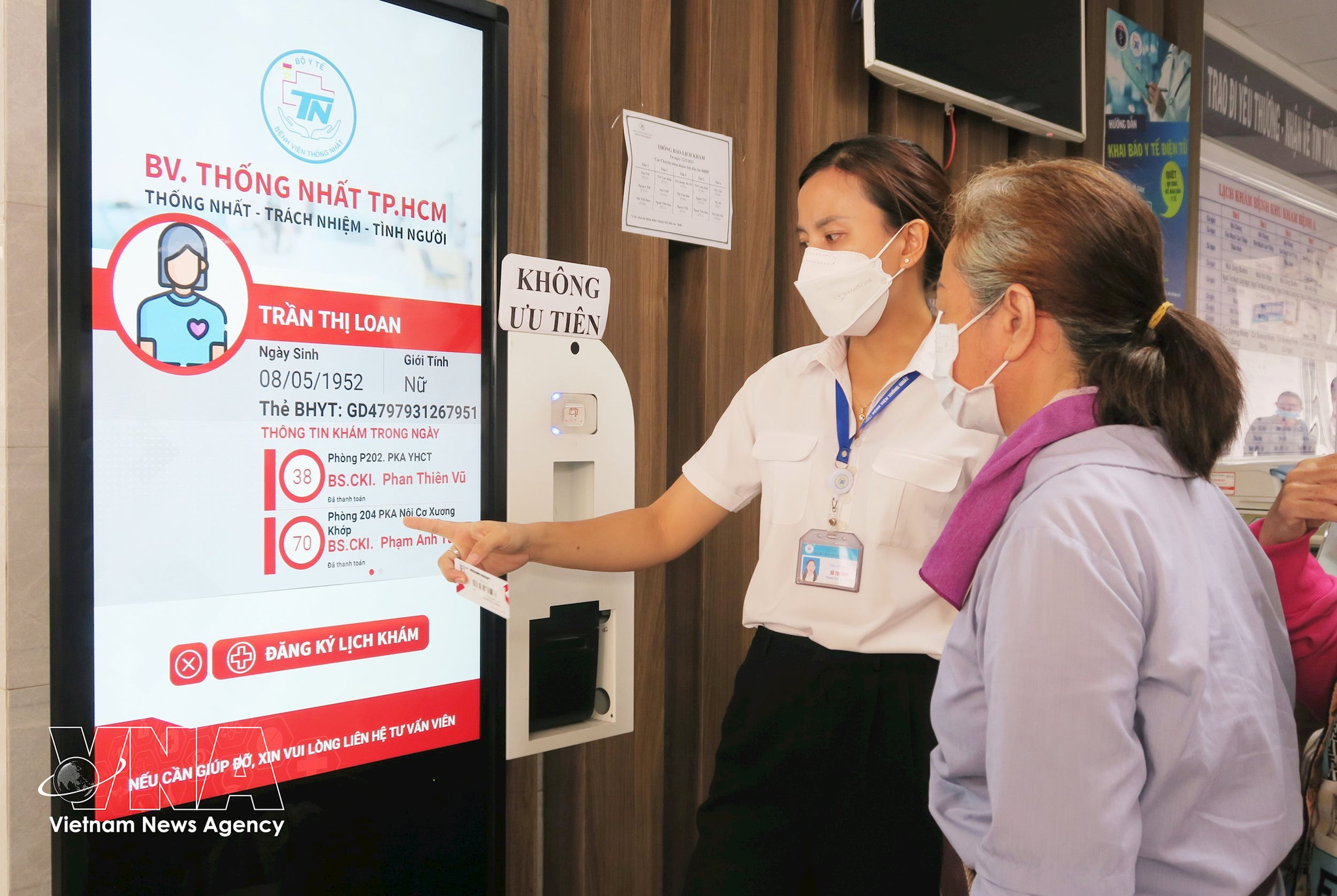
Ho Chi Minh City Department of Health effectively rolls out electronic health records via VNeID app. (Photo: VNA)
The city has closed 25 outpatient medical centres without beds, while retaining 13 regional medical centres with inpatient beds to provide inpatient treatment and primary healthcare services.
Director of the municipal Department of Health Tang Chi Thuong said these basic-level hospitals will become the main local treatment facilities, providing initial emergency care and chronic disease management, and helping ease the burden on major hospitals.
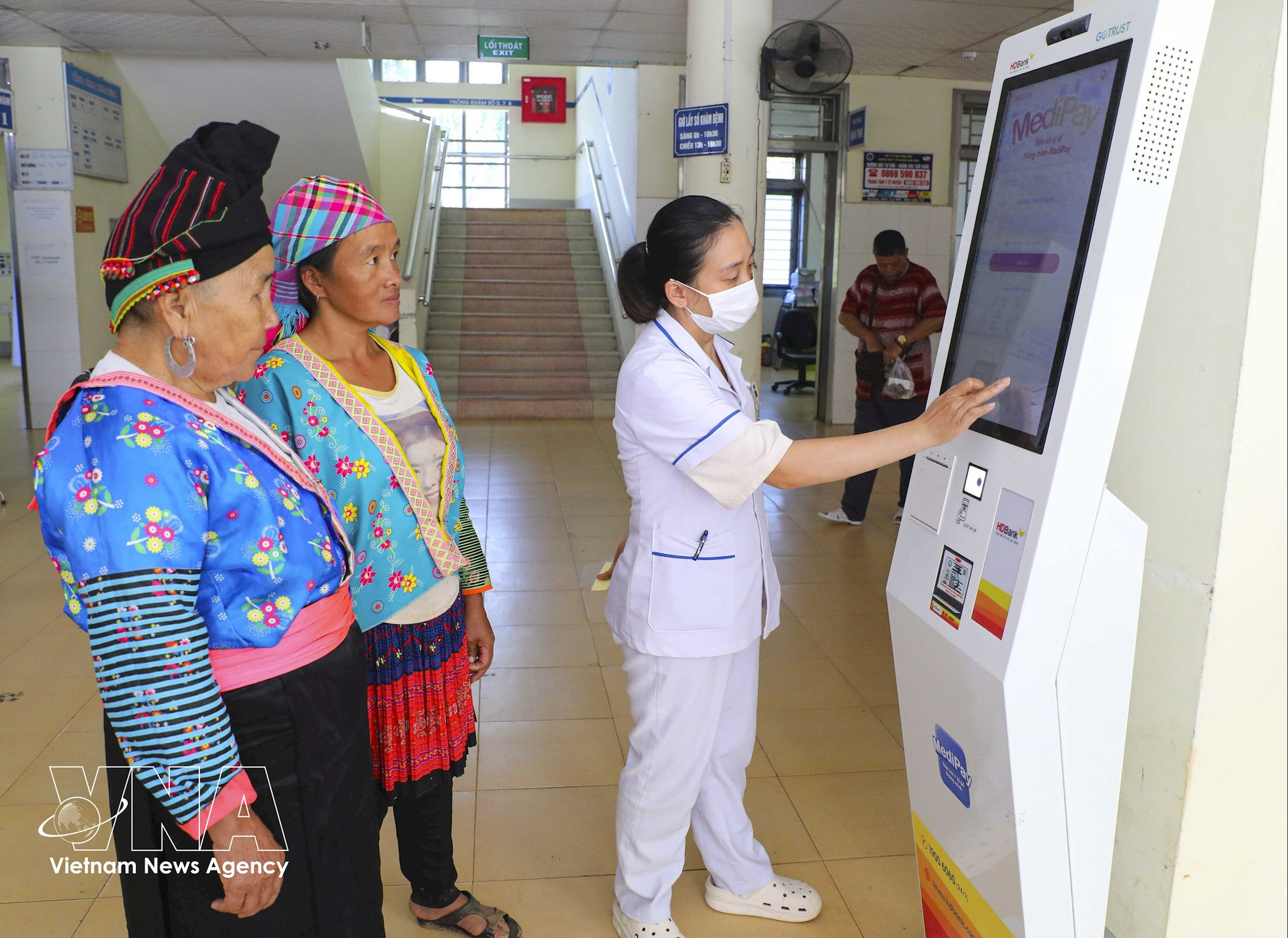
Remote and ethnic minority areas receive support from social organisations and volunteers. (Photo: VNA)
In mountainous and ethnic minority areas, grassroots healthcare is also receiving support from social organisations and volunteers. In Trung Ly commune of Thanh Hoa province, for example, the Thanh Hoa doctors’ club in Hanoi has provided free medical examinations and medicines for hundreds of disadvantaged people while training village health workers in first aid.
Mastering vaccine technology for modern healthcare
Alongside strengthening grassroots healthcare, Resolution No. 72 also calls for the development of specialised healthcare, greater investment in science, technology, and digital transformation to improve the quality of medical services and master advanced medical technologies.
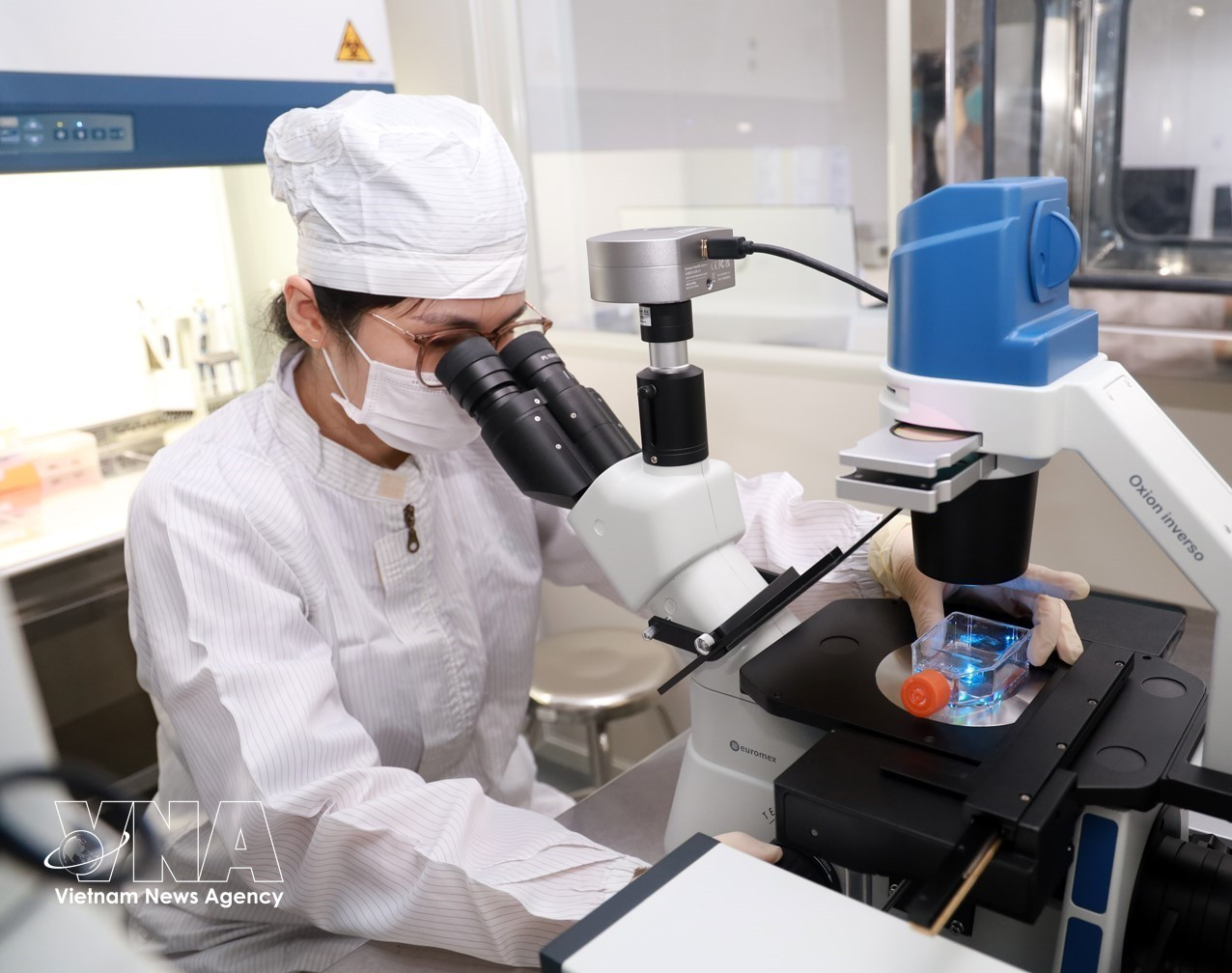
Vietnam’s health sector targets technological self-reliance in vaccine development. (Photo: VNA).
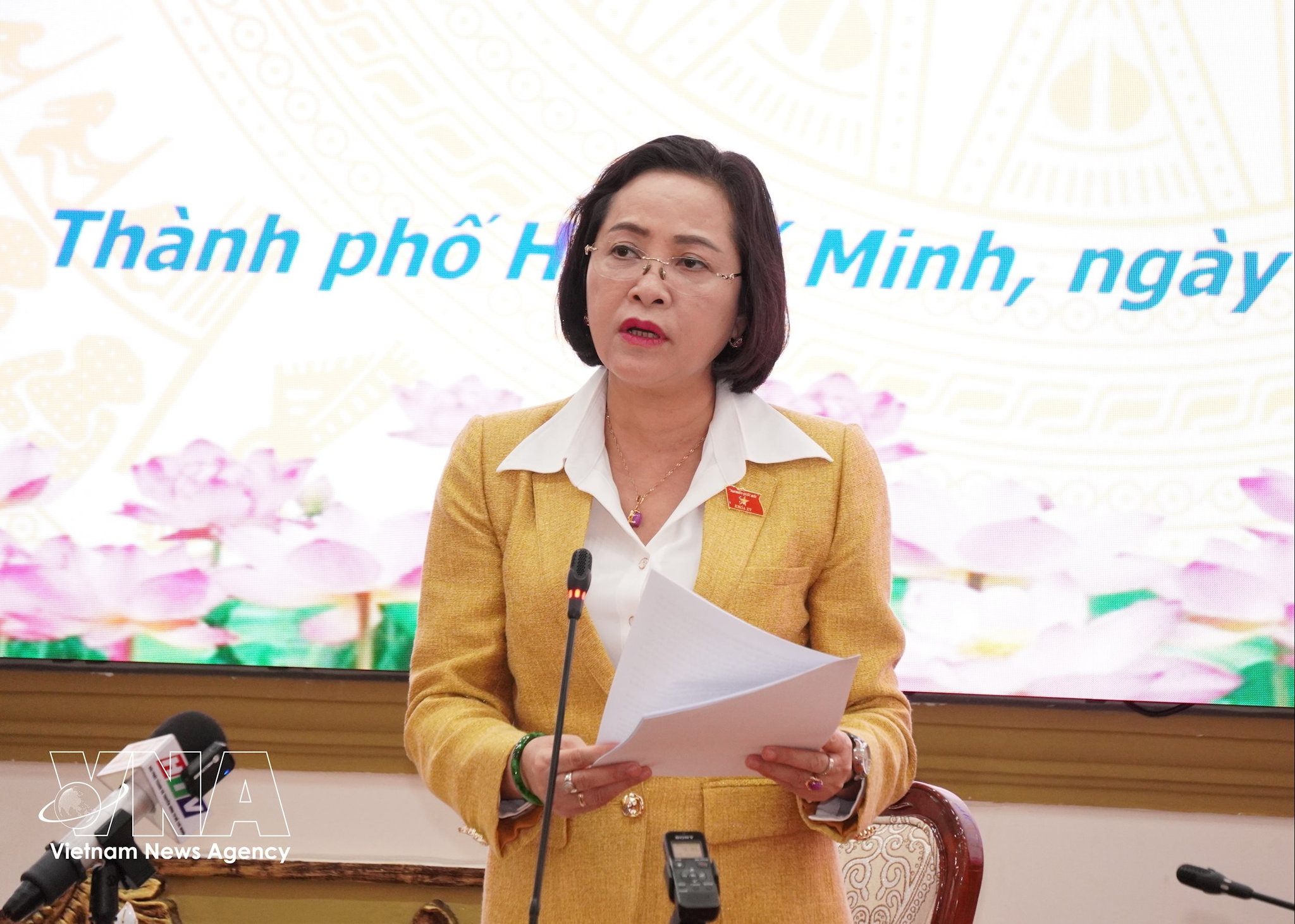
Vice President of the National Assembly Nguyen Thi Thanh said the COVID-19 pandemic left profound lessons, underscoring that mastering vaccine development technology is a matter of health security.
Vice President of the National Assembly Nguyen Thi Thanh. (Photo: VNA)
The Politburo has issued strategic Resolutions No. 57-NQ/TW and No. 72-NQ/TW, calling for a shift from a healthcare approach focused primarily on treatment to one that emphasises disease prevention. It should also make next-generation vaccines a strategic national technology product, she said, adding that the legislature has removed institutional bottlenecks through Resolution No. 193/2025/QH15.
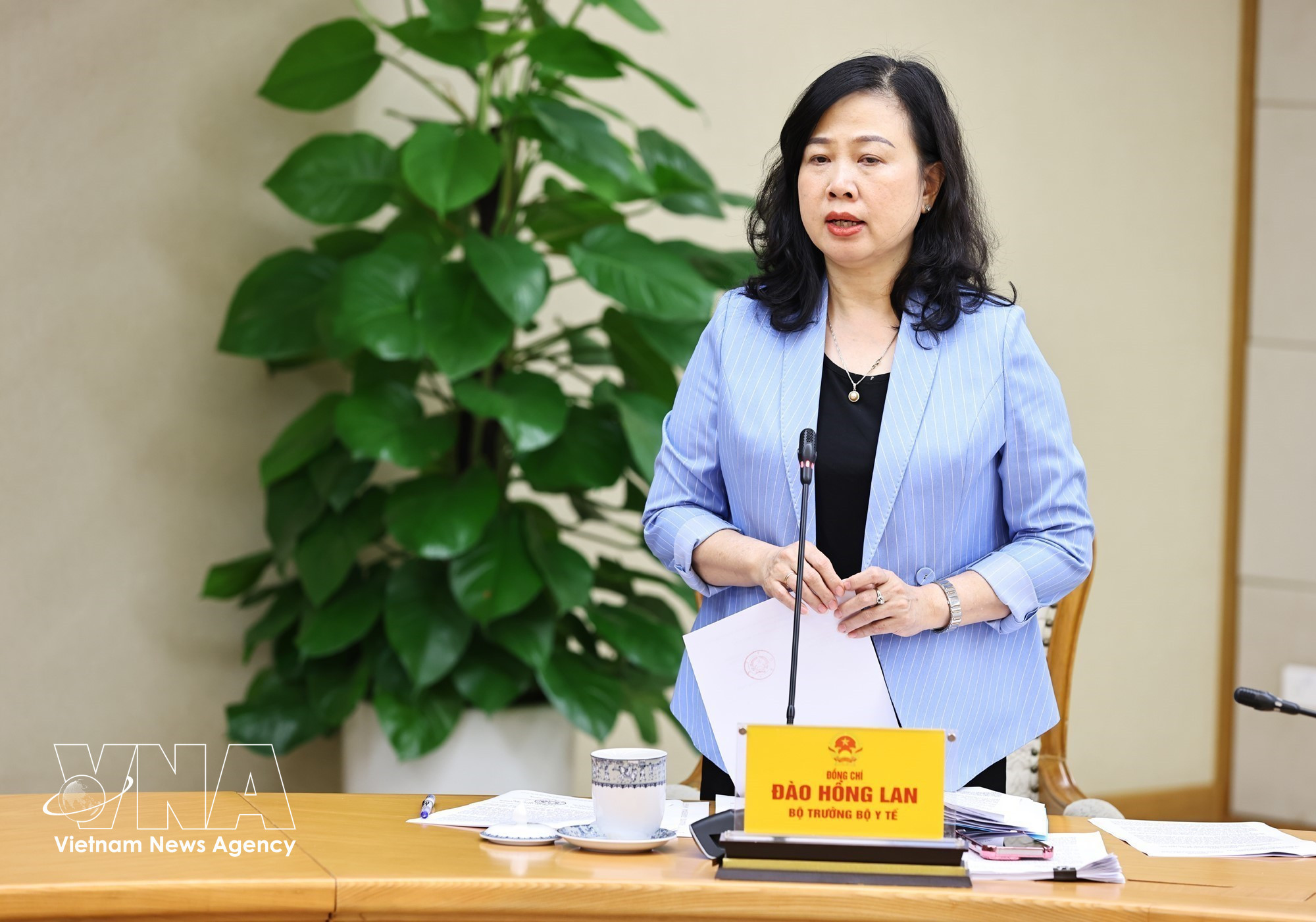
Minister of Health Dao Hong Lan said mastering the research and production of high-quality vaccines requires strengthening research and development (R&D), licensing, and establishing public-private partnership models. The ministry is focused on strategic technologies and expects that bringing together policymakers, businesses, and international organisations will promote Vietnam's vaccine manufacturing industry.
“
Mastering the research and production of high-quality vaccines requires strengthening research and development (R&D), licensing, and establishing public-private partnership models.
Minister of Health Dao Hong Lan
In Quang Ninh province, the health sector has made significant progress, surpassing targets set by the Government and establishing 12 specialised centres at major hospitals.
“
Quang Ninh has mastered nearly 80% of techniques currently available at central-level hospitals.
Director of the provincial Department of Health Bui Manh Hung
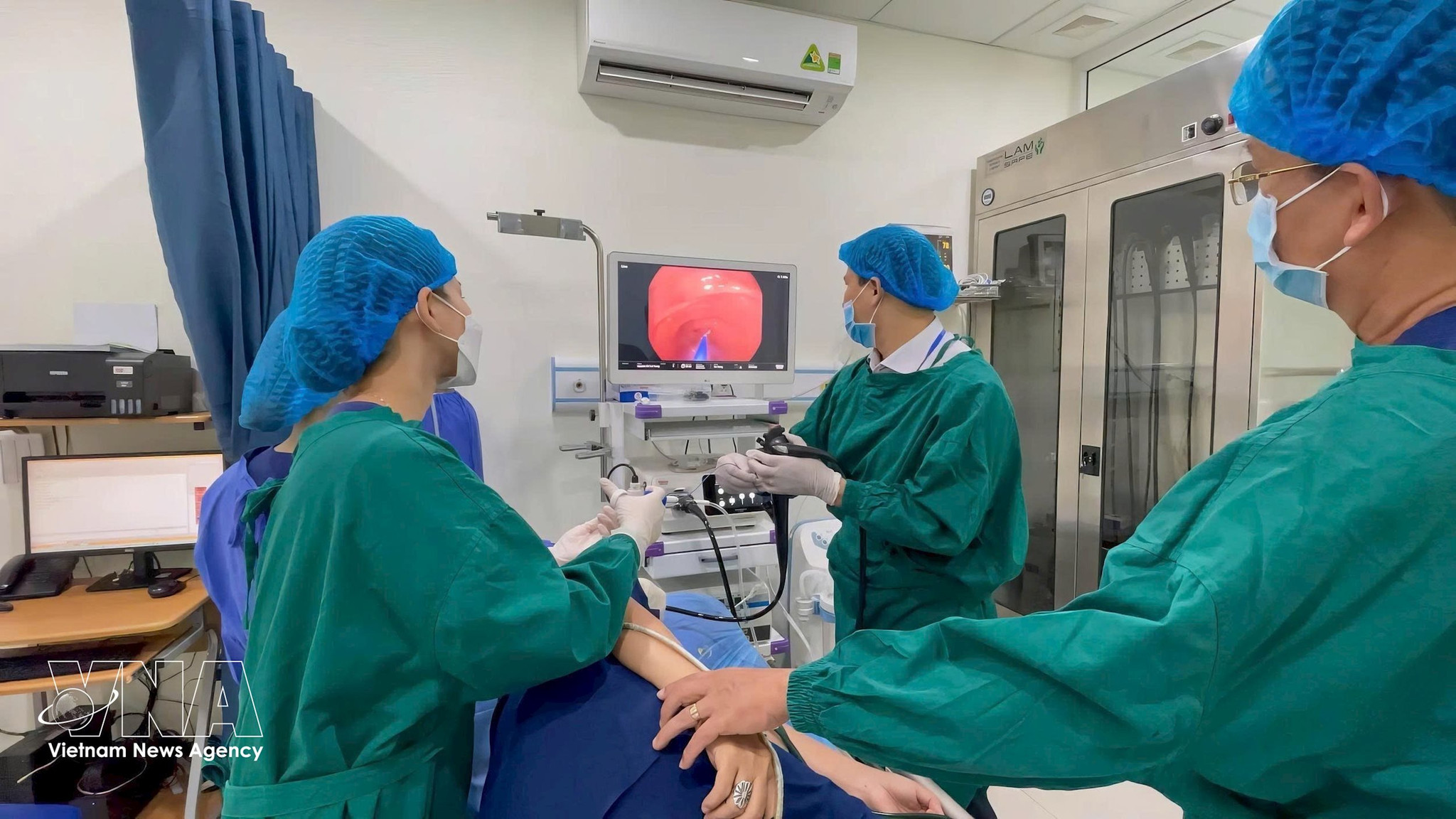
Director of the provincial Department of Health Bui Manh Hung said the province has mastered nearly 80% of techniques currently available at central-level hospitals, including open-heart surgery, cardiovascular and cerebrovascular interventions, and organ transplantation, with 12 kidney and four corneal transplants performed. As a result, only 0.59% of patients in Quang Ninh were transferred to central-level hospitals during the first six months of 2026, placing the province among those with the lowest referral rates nationwide.
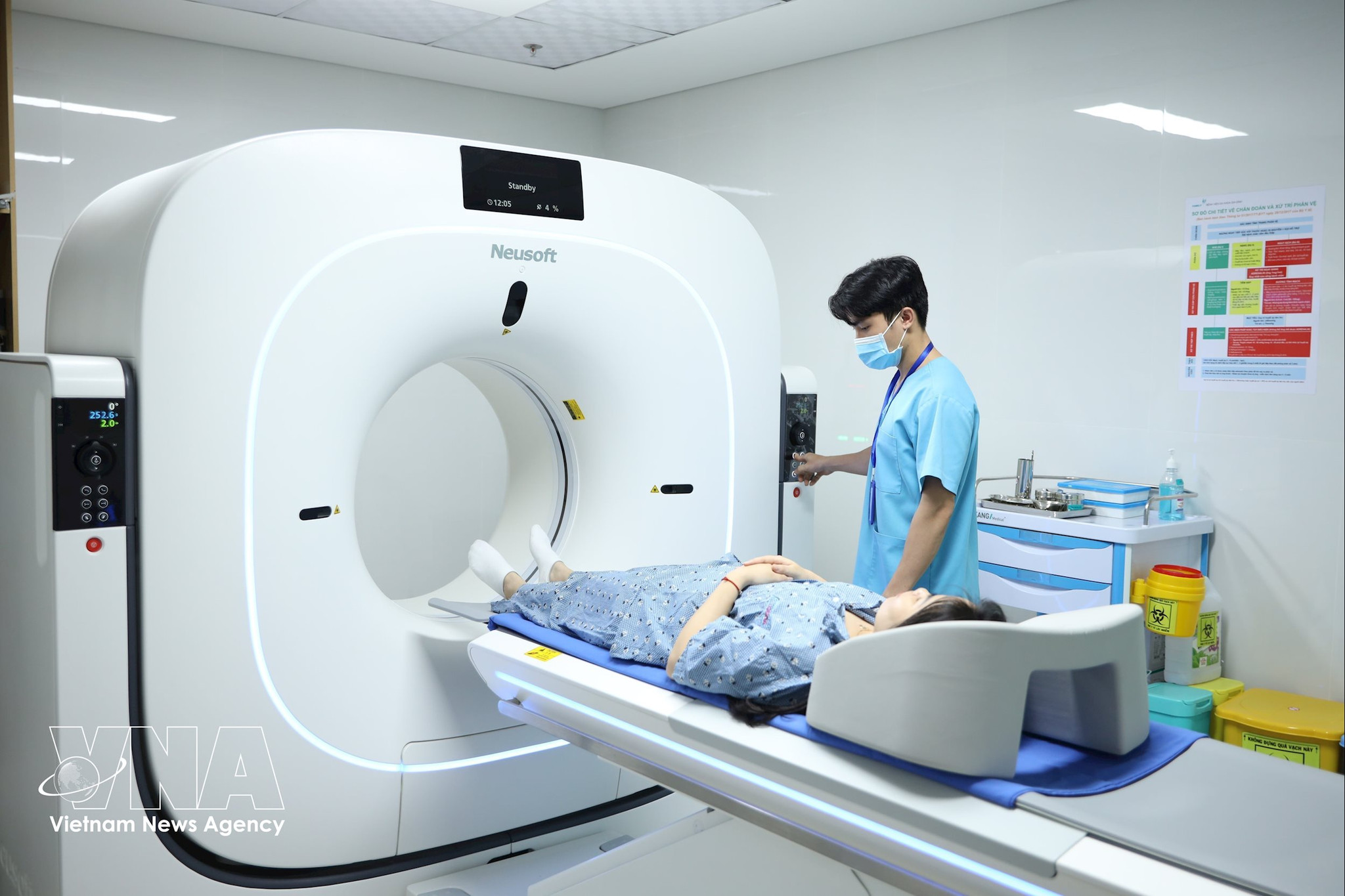
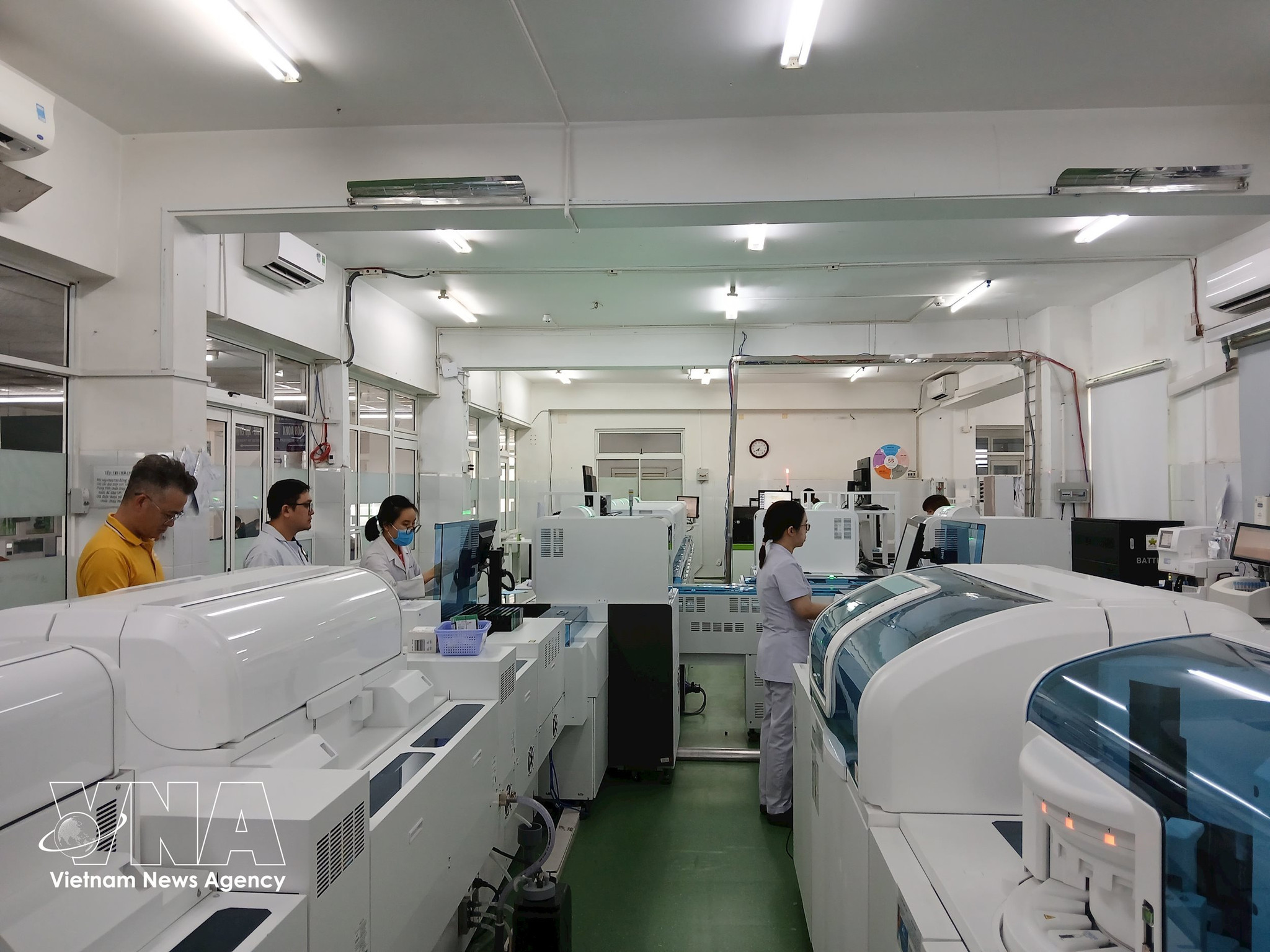
Quang Ninh is leading the way in digital transformation. Electronic medical records have been implemented at 100% of public and private hospitals in the province, while an artificial intelligence (AI) software system to assist in reading X-ray images is being prepared for operation.
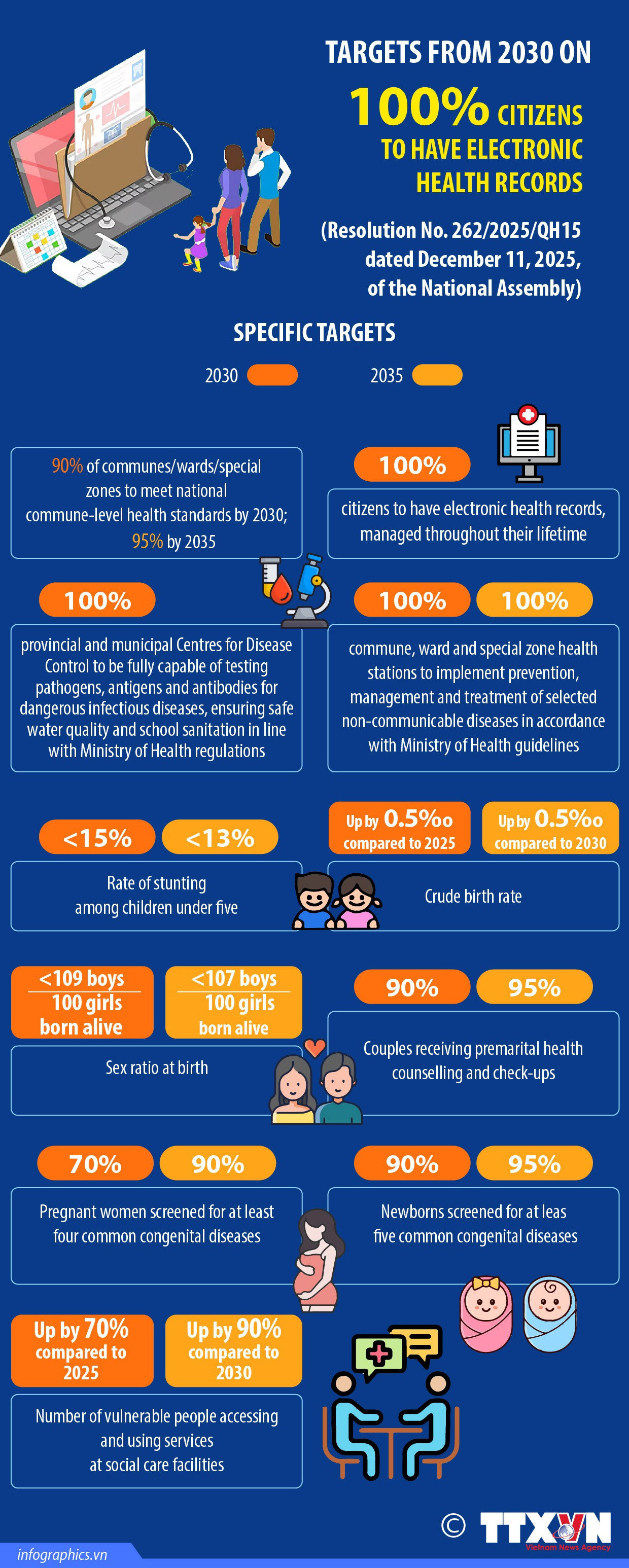
Free medical check-ups and treatment programmes for local residents have continued in many localities nationwide. The use of digital technology, particularly the electronic health book integrated into the VNeID application, is also being accelerated to facilitate systematic and synchronised management of health data.
Regular health screenings detect diseases at an early stage, helping reduce financial burdens on patients while easing pressure on higher-level hospitals. These efforts are considered a key strategy for building a healthier population and optimising the use of national healthcare resources./.