RESOLUTION 68 – ONE YEAR ON: BROADER OUTREACH NEEDED FOR SMALL BUSINESSES
LongForm - Ngày đăng : 17:29, 17/08/2026
LongForm
RESOLUTION 68 – ONE YEAR ON: BROADER OUTREACH NEEDED FOR SMALL BUSINESSES
VNA•{Ngày xuất bản}
After one year of implementing the Politburo’s Resolution No. 68-NQ/TW on private economic sector development, the Vietnamese economy has shown encouraging progress, driven by major institutional reforms and stronger growth among leading domestic corporations. However, experts say policy benefits must reach more deeply into the country's vast network of small businesses and household enterprisesphá.
A report by the Ministry of Finance on the first year of Resolution 68 found that translating the resolution into concrete policies has injected fresh momentum into the private sector, particularly by diversifying financing channels and removing administrative bottlenecks. While large-scale investment projects and stronger growth have demonstrated the policy's impact, ensuring broader access for small, micro and household businesses remains a key challenge.
Improving access to finance
To implement Resolution 68, the Government has instructed ministries and agencies to introduce coordinated measures aimed at improving access to credit and diversifying financing mechanisms. One of the most notable changes has been the banking sector's shift in lending practices to small businesses.
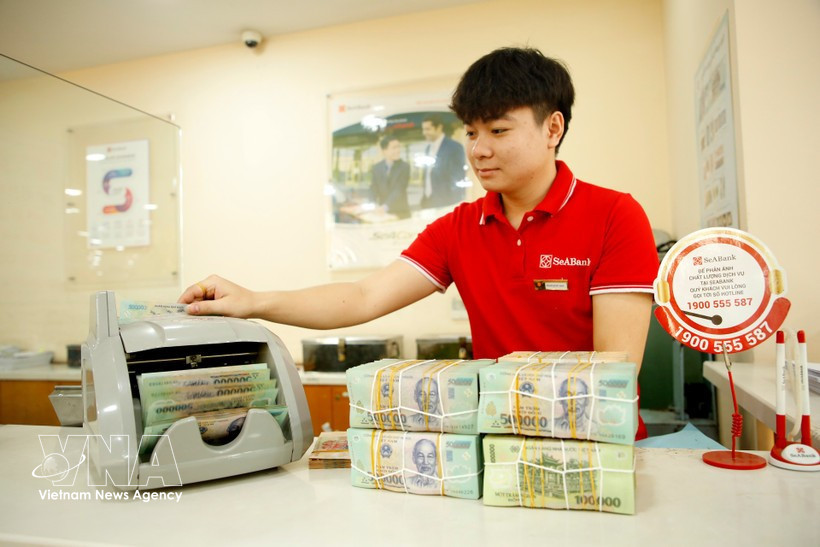
Following guidance from the State Bank of Vietnam, credit institutions have increasingly prioritised lending to the private sector, promoted value chain financing and expanded cash flow-based lending rather than relying solely on traditional collateral requirements. By the end of 2025, outstanding loans to small and medium-sized enterprises (SMEs) had exceeded 3.65 quadrillion VND (143 billion USD), up 21.73% from a year earlier.
Meanwhile, financial incentives under the National Assembly's Resolution No. 198/2025/QH15 have created new opportunities for green and sustainable investment. The policy offers a 2% annual interest rate subsidy for businesses and household enterprises implementing circular economy projects or applying environmental, social and governance (ESG) standards, helping reduce financing costs while encouraging more sustainable business practices. The Government is finalising two implementing decrees to accelerate disbursement of the support through commercial banks and State financial funds.
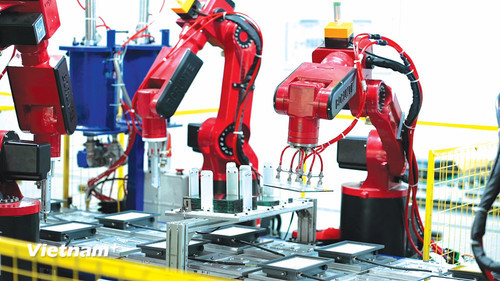
By the end of 2025, outstanding loans to small and medium-sized enterprises (SMEs) exceed 3.65 quadrillion VND (143 billion USD), up 21.73% from a year earlier. (Photo: VietnamPlus)
Despite these macro-level policies, many smaller businesses say they have yet to benefit in practice. Le Duy Binh, Director of Economica Vietnam, said Resolution 68 has generated strong optimism but its impact has been uneven.
“
The enthusiasm has been concentrated mainly among large enterprises, with a series of investment projects worth hundreds of trillions of dong being launched. Meanwhile, the positive impact has yet to spread widely to small and micro-sized businesses
Le Duy Binh, Director of Economica Vietnam
Tran Van Hieu, Director of DACE, an exporter of organic agricultural products, said his company achieved solid revenue and business expansion in 2025 but had been unable to access the 2% interest rate support.
"We were not aware of the programme. Even our bank has not provided any information on it. At the same time, borrowing costs remain above 10%, creating enormous pressure for manufacturing businesses working directly with farmers," he said.
Borrowing interest rates remain high, exceeding 10%, placing significant pressure on businesses that work directly with farmers. (Photo: VietnamPlus)
According to Hieu, companies with healthy cash flow, internationally certified products and strong export markets still face difficulties obtaining cash flow-based financing. Applying similar lending conditions to agricultural producers and real estate businesses has slowed the growth of enterprises committed to developing Vietnam's agricultural value chain, he added.
Binh also pointed to another concern: the continued management-oriented approach towards household businesses and micro enterprises. Treating these businesses primarily as regulatory subjects rather than development partners has encouraged some to split their operations to remain below tax thresholds or revert to cash transactions, expanding the informal economy instead of supporting formalisation and transparency.
The gap between macroeconomic policies and their practical impact on businesses remains. (Photo: VietnamPlus)
Institutional reforms gathering pace
Despite continuing obstacles for SMEs, Resolution 68 has also accelerated the development of large private corporations.
The adoption of Law No. 90/2025/QH15 and new regulations governing public-private partnerships (PPP) has significantly expanded opportunities for private investment.
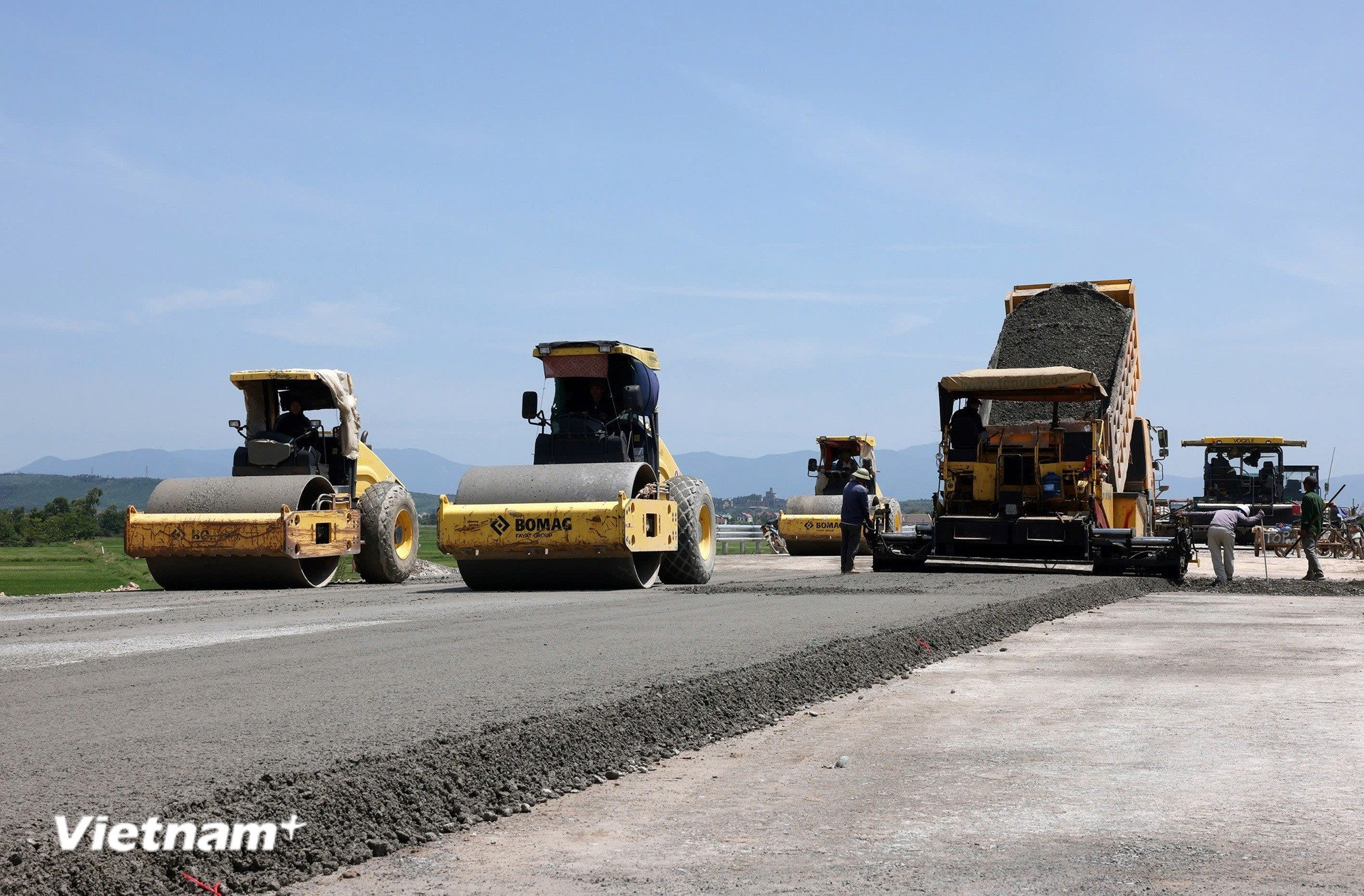
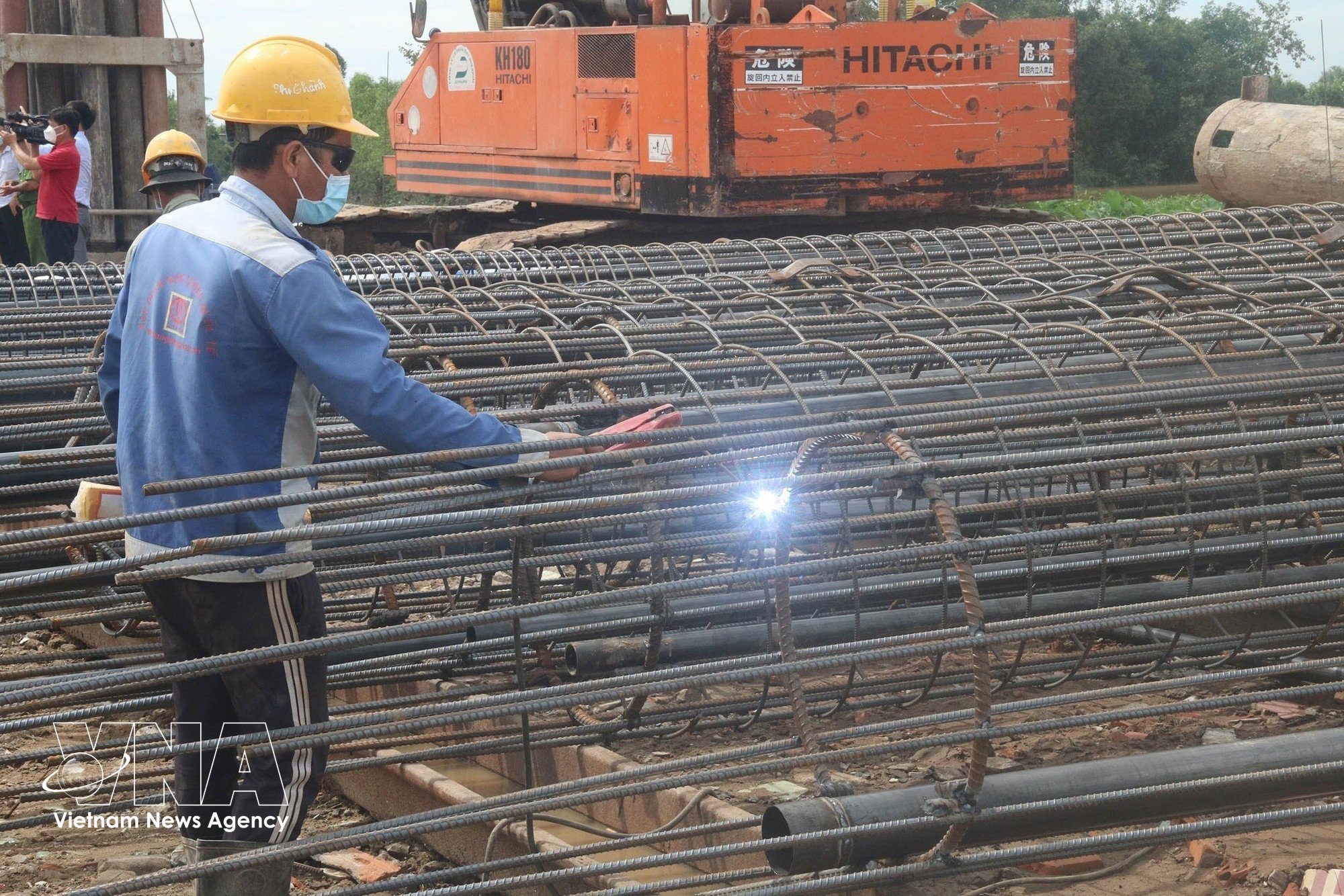
In 2025, Vietnam launched or completed 564 projects with combined investment of 5.2 quadrillion VND, of which nearly 75% came from the private sector, underlining the growing role of private enterprises in national development. At the same time, Government programmes to develop 1,000 leading enterprises and support Vietnamese companies in expanding into international markets during 2026–2030 are expected to strengthen the country's position in global value chains.
vnanet_ảnh bai 2
Shifting from a pre-inspection model to one focused on post-inspection and business support has significantly reduced compliance costs. (Photo: VietnamPlus)
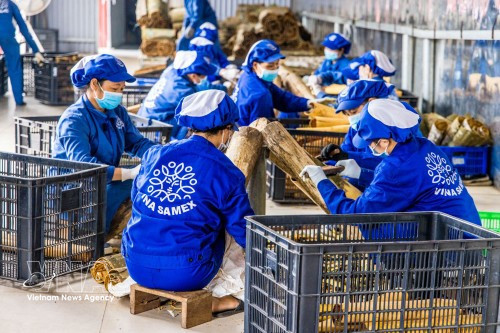
Ngo Sy Hoai, Vice Chairman and Secretary General of the Vietnam Timber and Forest Products Association (VIFOREST), said institutional reforms have brought tangible benefits to businesses. He noted that shifting from a pre-inspection model to one focused on post-inspection and business support has significantly reduced compliance costs.
“
Administrative procedures related to land, environmental protection, fire safety and tax refunds have become faster through digitalisation and inter-agency connectivity, allowing new manufacturing projects to cut preparation time from weeks to months.
Ngo Sy Hoai, Vice Chairman and Secretary General of the Vietnam Timber and Forest Products Association (VIFOREST)
However, Hoai said the wood processing industry continues to face mounting external challenges. Timber exports reached 7.02 billion USD in the first five months of 2026, up just 2.9% year-on-year. This is well below expectations, while exports of higher value-added processed wood products declined by 3.5%.
Timber exports reached 7.02 billion USD in the first five months of 2026, up just 2.9% year-on-year. This is well below expectations, while exports of higher value-added processed wood products declined by 3.5%.
Besides rising logistics and raw material costs, exporters are facing increasingly stringent technical standards and trade investigations in major markets, particularly the US, which accounts for around half of the sector's exports.
"Changes in US tariff policies, investigations into forced labour and concerns over excess production capacity have made importers more cautious and extended contract negotiations," Hoai said.
He stressed that helping private businesses become a stronger engine of growth requires not only domestic support policies but also measures to strengthen trade defence capacity and improve compliance with international standards.
Deputy Minister of Finance Nguyen Duc Tam said access to capital, land, technology and skilled labour remains the biggest challenge for Vietnam's private sector.
For the private sector to truly become the most important driver of the economy, policies must go beyond domestic support and equip businesses with the capacity to defend against trade measures and adapt to stringent international standards. (Photo: PV/VietnamPlus)
To address these bottlenecks, the ministry plans to focus on three strategic priorities. The first is to further reform tax and fiscal policies by introducing corporate income tax incentives for research and development (R&D) and innovation while reducing fees and charges for technology start-ups. The second is to improve the effectiveness of State financial funds, including the SME Development Fund and local credit guarantee funds, to provide support tailored to private businesses. The third is to improve access to land by reviewing and making surplus public assets available for transparent leasing.
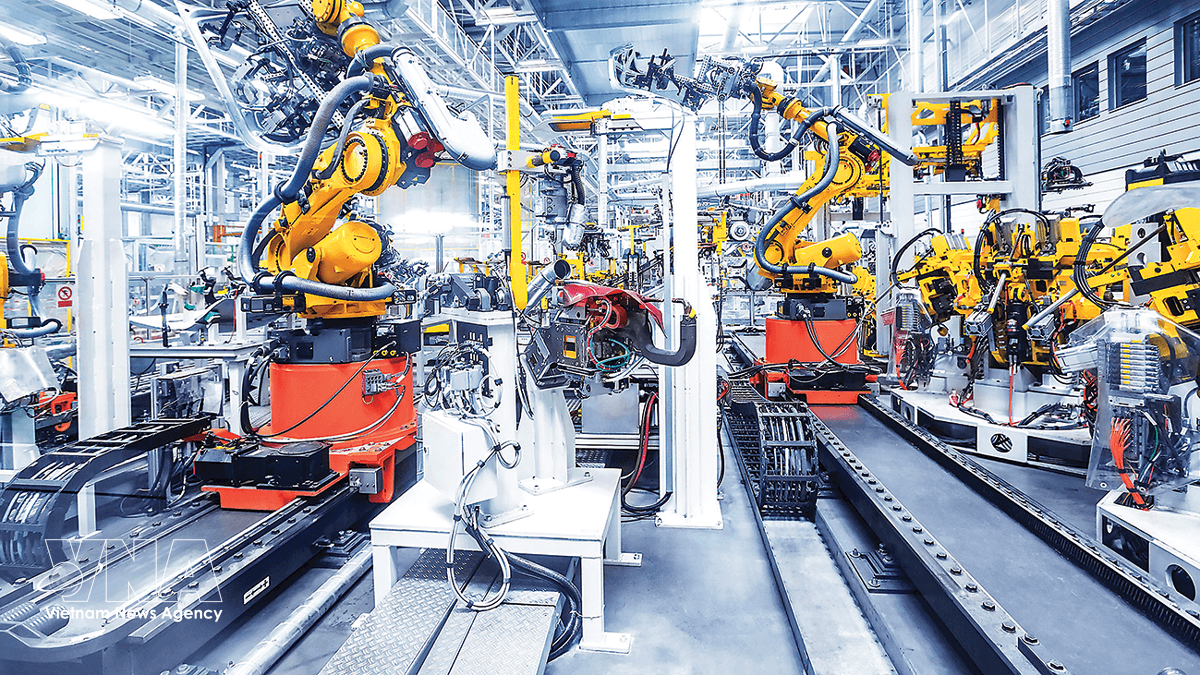
The Ministry of Finance will propose special tax incentives on corporate income tax for research and development (R&D) and innovation activities. (Photo: VietnamPlus)
Tam stressed that supporting businesses requires more than issuing policies. It also demands continuous engagement with enterprises and timely resolution of practical difficulties. The Ministry of Finance is accelerating digital transformation with the goal of providing all tax and customs public services online at Level 4, helping reduce compliance costs while improving transparency and predictability for businesses.
One year after Resolution 68 came into effect, Vietnam has established a stronger legal framework and renewed confidence in private sector development. However, experts believe its success will ultimately depend on how effectively policies are implemented at the local level, particularly by banks and provincial authorities.
While supporting large corporations is important to strengthen Vietnam's economic competitiveness, they argue that nurturing millions of small and micro enterprises will be equally crucial to building a resilient and sustainable economy.
With global uncertainty expected to persist in 2026, the private sector faces another year of challenges. Yet backed by continued Government reforms and greater business adaptability, it is expected to play an increasingly important role in driving Vietnam's next stage of economic development. Experts say the priority now is not simply achieving higher growth, but building trust, encouraging entrepreneurship and creating a business environment in which enterprises of every size have equal opportunities to grow./.
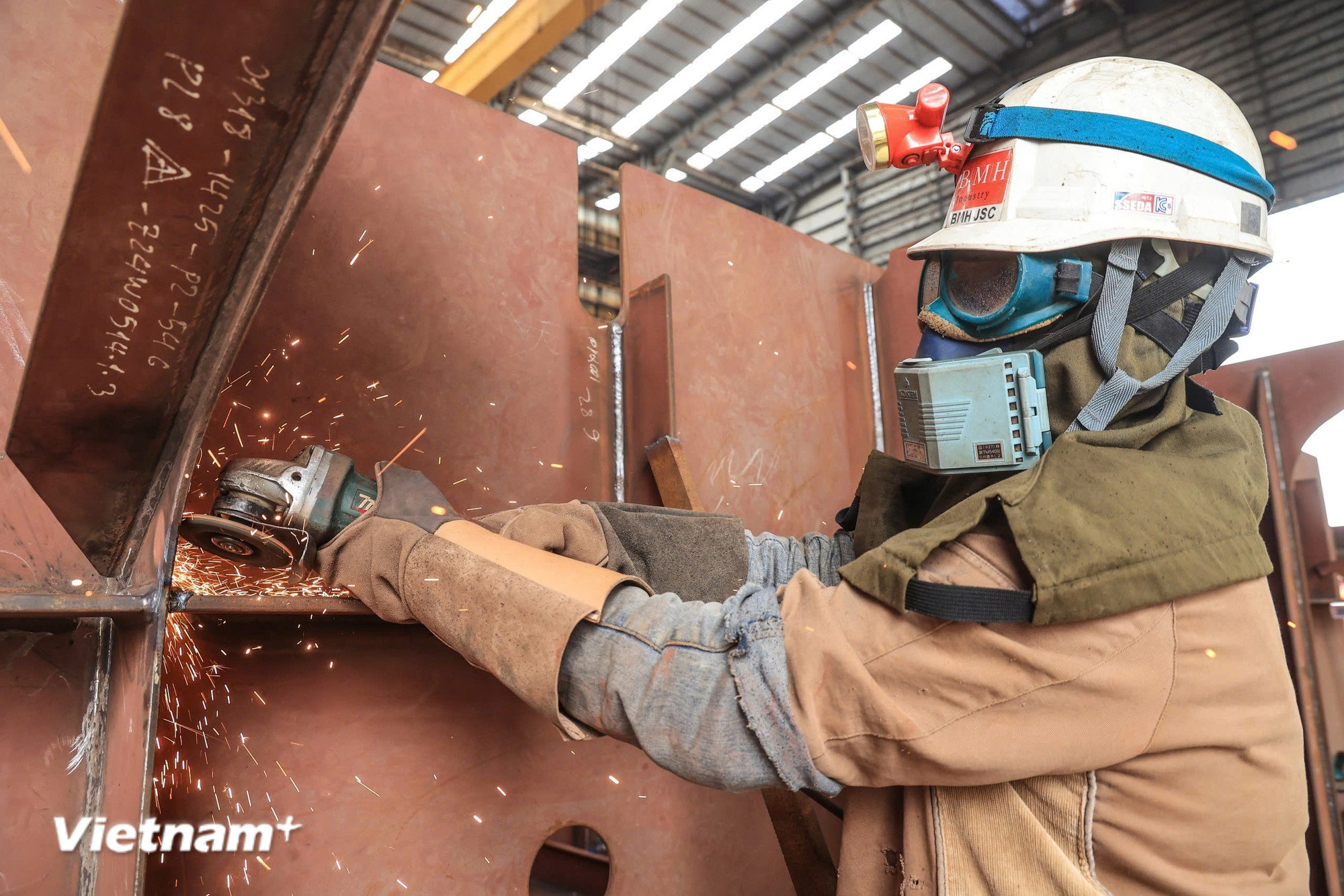
A year into the implementation of Resolution 68, a new legal framework and mindset have taken shape. (Photo: VietnamPlus)