Quantum technology is shifting worldwide from basic research to applied use across industries. Vietnam has placed cybersecurity and quantum technology on its list of 10 national strategic tech groups, betting on them to sharpen technological self-reliance and competitiveness in a new era.
As the country's science, technology and innovation hub, Ho Chi Minh City is now scrambling to build capacity for the quantum age, with workforce development at the centre of its push to seize future opportunities.
Universities to anchor quantum push
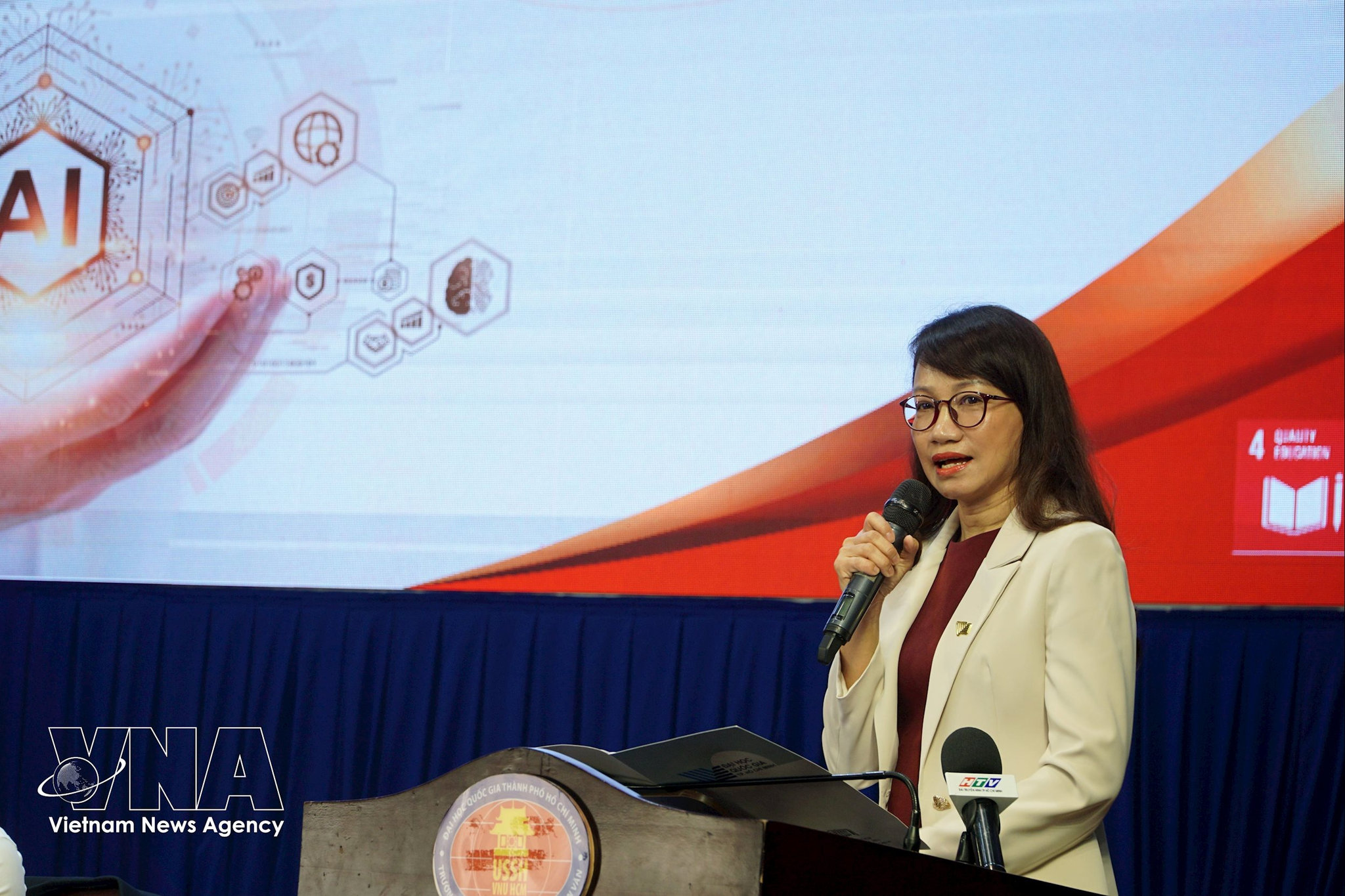
Prof. Dr. Nguyen Thi Thanh Mai, Director of the Vietnam National University-Ho Chi Minh City (VNU-HCM), said the top priority is attracting global talent, especially networks of Vietnamese experts and scientists who trained and worked at major tech centres. On the domestic side, she said, the country must clearly define target groups, levels, orientation and teaching staff, and tie training directly to real demand. The aim is to build a quality, specialised and interdisciplinary quantum workforce within 5 to 10 years.
“
The top priority is attracting global talent, especially networks of Vietnamese experts and scientists who trained and worked at major tech centres
Prof. Dr. Nguyen Thi Thanh Mai, Director of the Vietnam National University-Ho Chi Minh City (VNU-HCM)
VNU-HCM, one of Vietnam's leading university systems, has already laid a foundation for quantum research and training. Grouping quantum technology with AI, semiconductors and cybersecurity in the strategic tech lineup signals that it is not a standalone field but wired directly into future core capabilities. The university is leveraging multidisciplinary strengths in physics, materials science, photonics, mathematics and information technology. It's pouring cash into high-performance computing for quantum computing and has has set up research groups targeting quantum computing and security.
Key research directions span quantum simulation, algorithms and software, post-quantum cryptography, quantum materials, and fundamental research in quantum physics, quantum chemistry, photonics and materials, with several concrete outputs already delivered. For training, the University of Science under VNU-HCM launched a quantum computing specialisation within its physics programme for the 2025 intake. It plans to introduce a quantum technology discipline at the University of Science and quantum engineering at the University of Technology from 2027. At the postgraduate level, the quantum computing track covers simulation, algorithms, software, data, machine learning and optimisation.
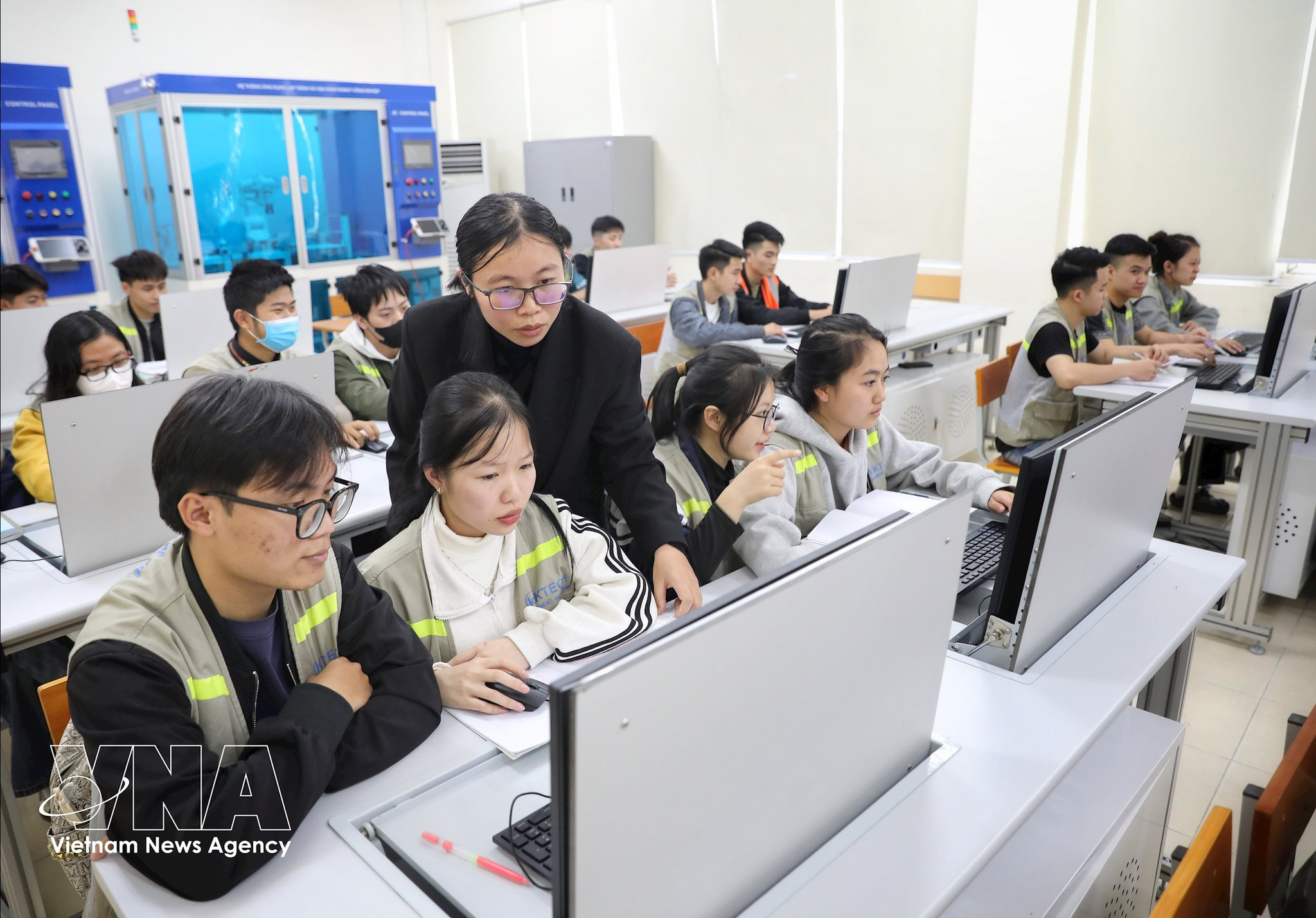
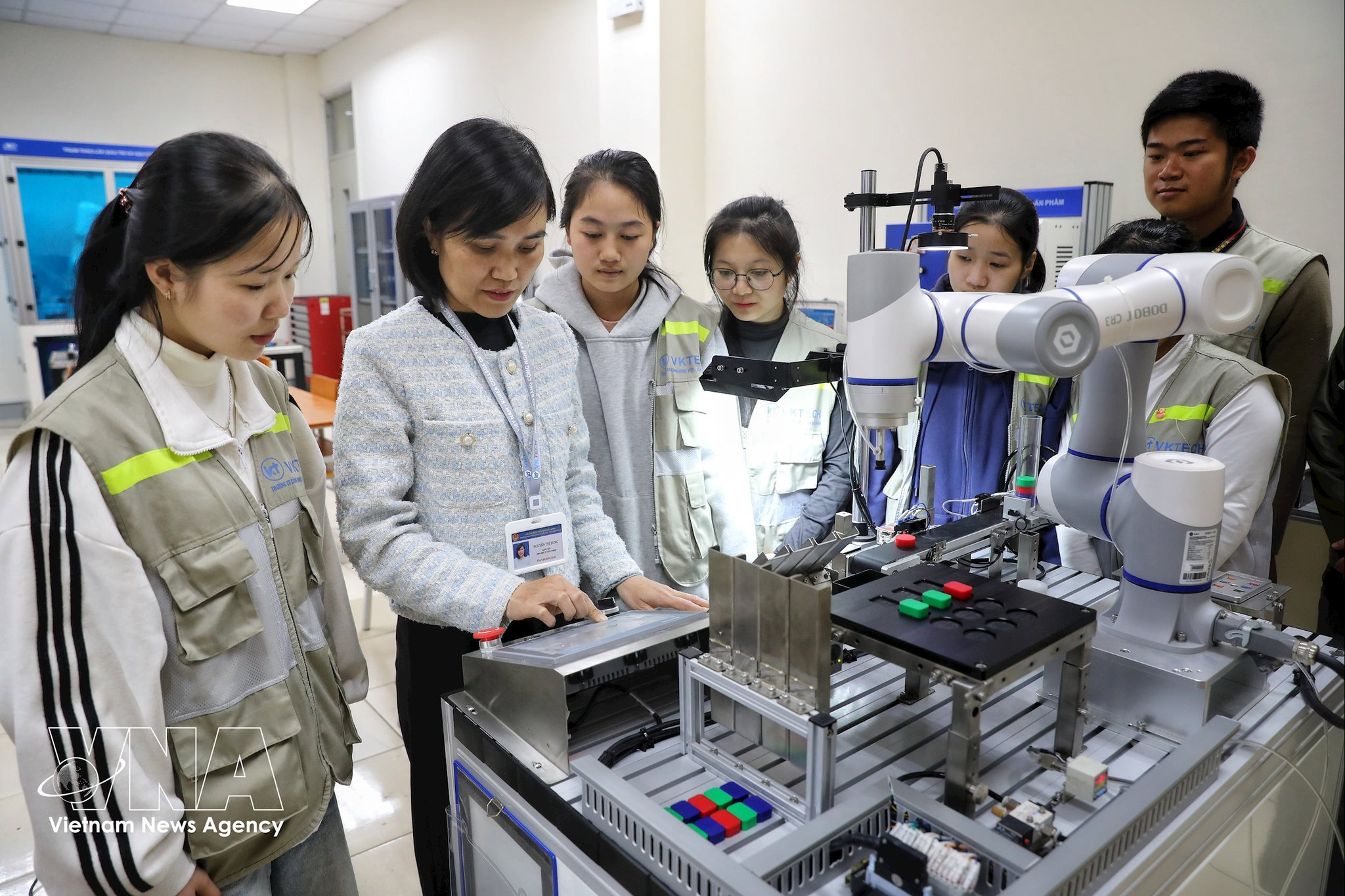
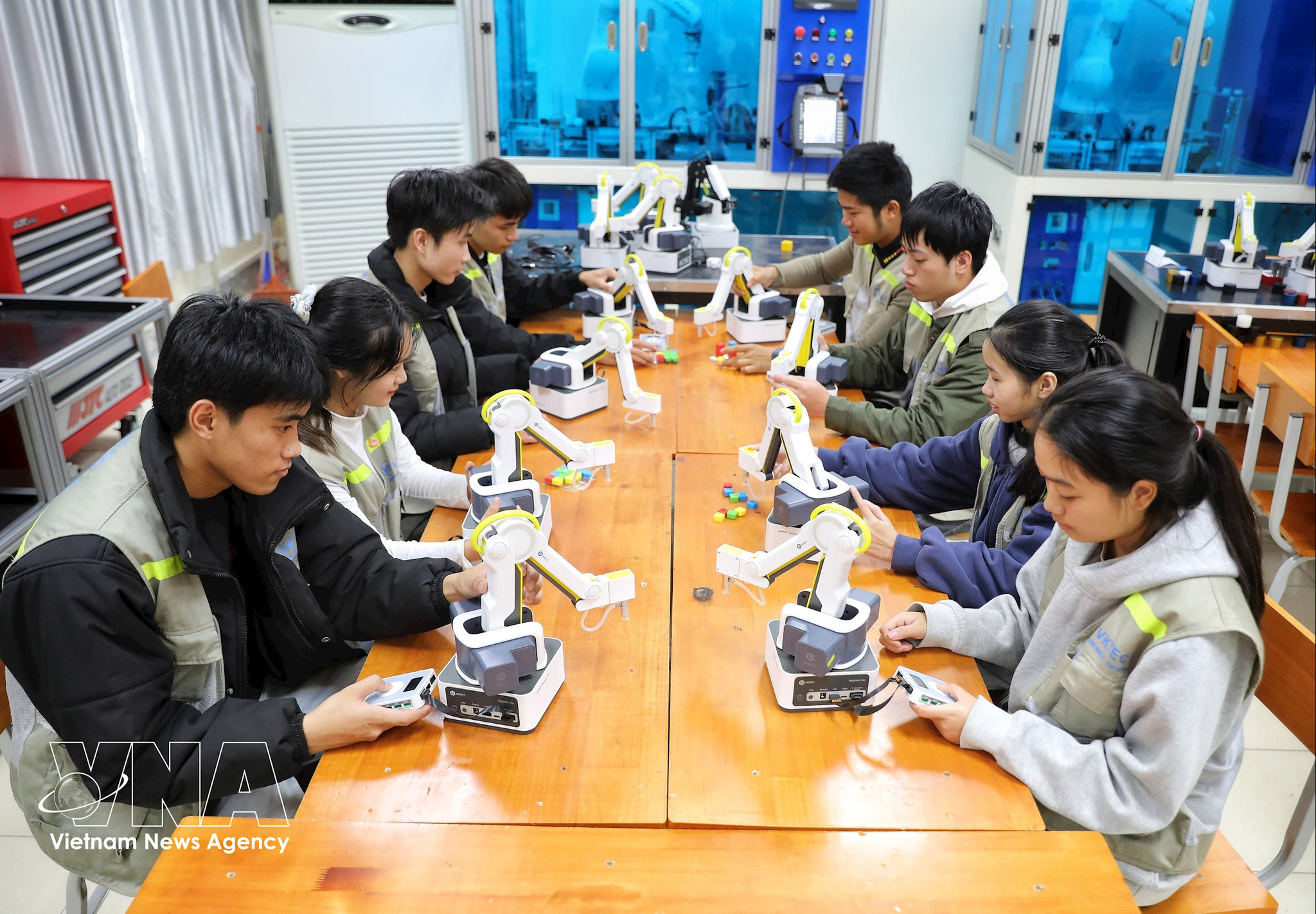
Universities strengthen cooperation in semiconductor workforce training (Photo: VNA)
Experts, however, flagged bottlenecks, including fragmented research teams, a lack of proper equipment and labs, a shortage of highly qualified staff, and weak industry links. Going forward, VNU-HCM will prioritise quantum security, quantum simulation, algorithms and software, photonics, quantum materials and sensors, and fundamental quantum physics research.
Ho Chi Minh City is rolling out initiatives to build a quantum expert network, design short-term and cross-university training courses, compile pilot problems identified by the city and companies, and raise awareness of post-quantum security for critical data systems. Major universities are set to serve as the backbone for workforce training, research group development and business linkages, gradually spinning up a quantum technology ecosystem in the city.
Multi-tier training of quantum workforce
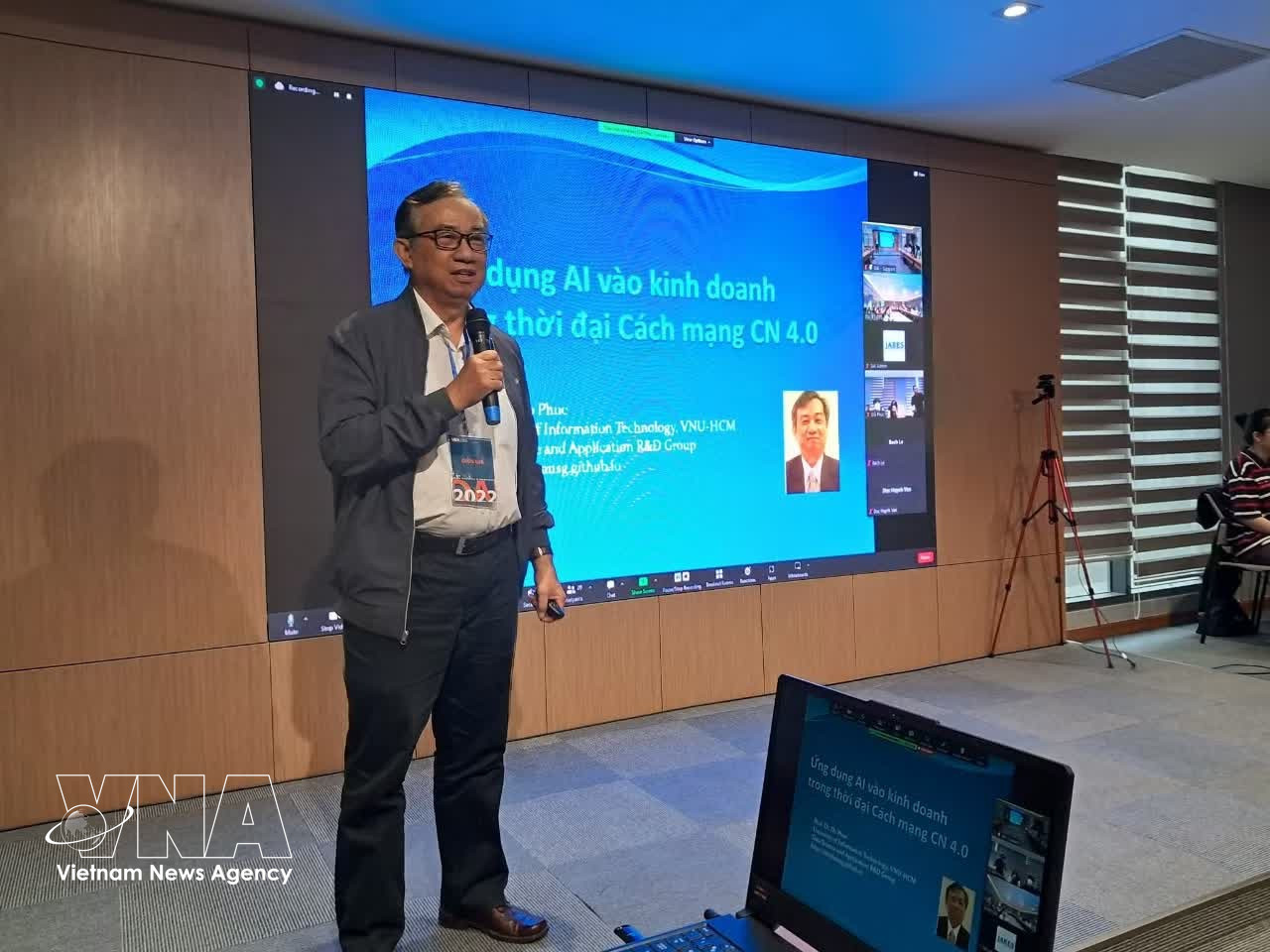
According to Prof. Dr. Do Phuc from the University of Information Technology under VNU-HCM, quantum workforce training should target different groups, not just specialists. He argued that building quantum literacy across the board is critical so workers and managers can spot opportunities and threats quantum technology poses to existing systems, and make sound decisions on system architecture and risk management.
“
Quantum workforce training should target different groups, not just specialists
Prof. Dr. Do Phuc from the University of Information Technology under VNU-HCM
Phuc laid out a four-tier workforce model: raising awareness among leaders, managers and tech students; training engineers to use quantum tools, platforms and grasp post-quantum cryptography, building a lecturer pool to inject quantum content into university curricula, and forming specialised research teams and centres of excellence to crack complex problems.
Drawing on lessons from first-mover nations, Assoc. Prof. Dr. Dinh Trung Hoa, head of training at the VNQuantum Network, said getting ready for quantum means getting people ready first as without workforce, building quantum capability is impossible. Many countries didn't start with big-ticket lab investments. They started with awareness campaigns, teacher development, research networks and the steady weaving of quantum content into education systems.
Hoa urged Ho Chi Minh City to develop four personnel groups. The first, consisting of students, leaders, IT engineers and businesses, must have a solid enough grasp of quantum technology to spot opportunities and risks. Then come engineers, lecturers and researchers who can construct long-term core capability. Training must be interdisciplinary, pulling together physics, mathematics, computer science, engineering and real-world applications. The roadmap should kick off at the secondary level with STEM clubs and summer camps, then advance to introductory university courses, short-term certifications, lecturer training, postgraduate study and research, and business training and pilot projects, eventually leading to a city-level quantum hub.
Dr. Tran Nguyen Lan, head of the QuantumLab Group at the Faculty of Physics and Engineering Physics, University of Science under VNU-HCM, said quantum computing could crack real-world problems in Ho Chi Minh City, especially in highly complex, optimisation-heavy areas like logistics, transportation, finance, system operations and data management. But barriers remain: hardware quality, infrastructure and deployment costs, plus a dire shortage of talent with expertise spanning quantum physics, mathematics and computer science. That means building infrastructure and capacity isn't enough. The city must develop a team of engineers who can translate transportation, logistics and urban challenges into optimisation models, so it can keep pace and master the technology when the quantum computing wave finally hits./.