CULTURE POSITIONED AS CORE DRIVER OF HANOI'S CENTURY-LONG DEVELOPMENT
LongForm - Ngày đăng : 15:56, 31/07/2026
In the Hanoi Capital Master Plan with a 100-year vision, culture is identified as the core value underpinning the entire plan, serving as an endogenous resource, a source of soft power, and a driving force for the capital city's sustainable development strategy.
LongForm
CULTURE POSITIONED AS CORE DRIVER OF HANOI'S CENTURY-LONG DEVELOPMENT
VNA•{Ngày xuất bản}
In the Hanoi Capital Master Plan with a 100-year vision, culture is identified as the core value underpinning the entire plan, serving as an endogenous resource, a source of soft power, and a driving force for the capital city's sustainable development strategy.
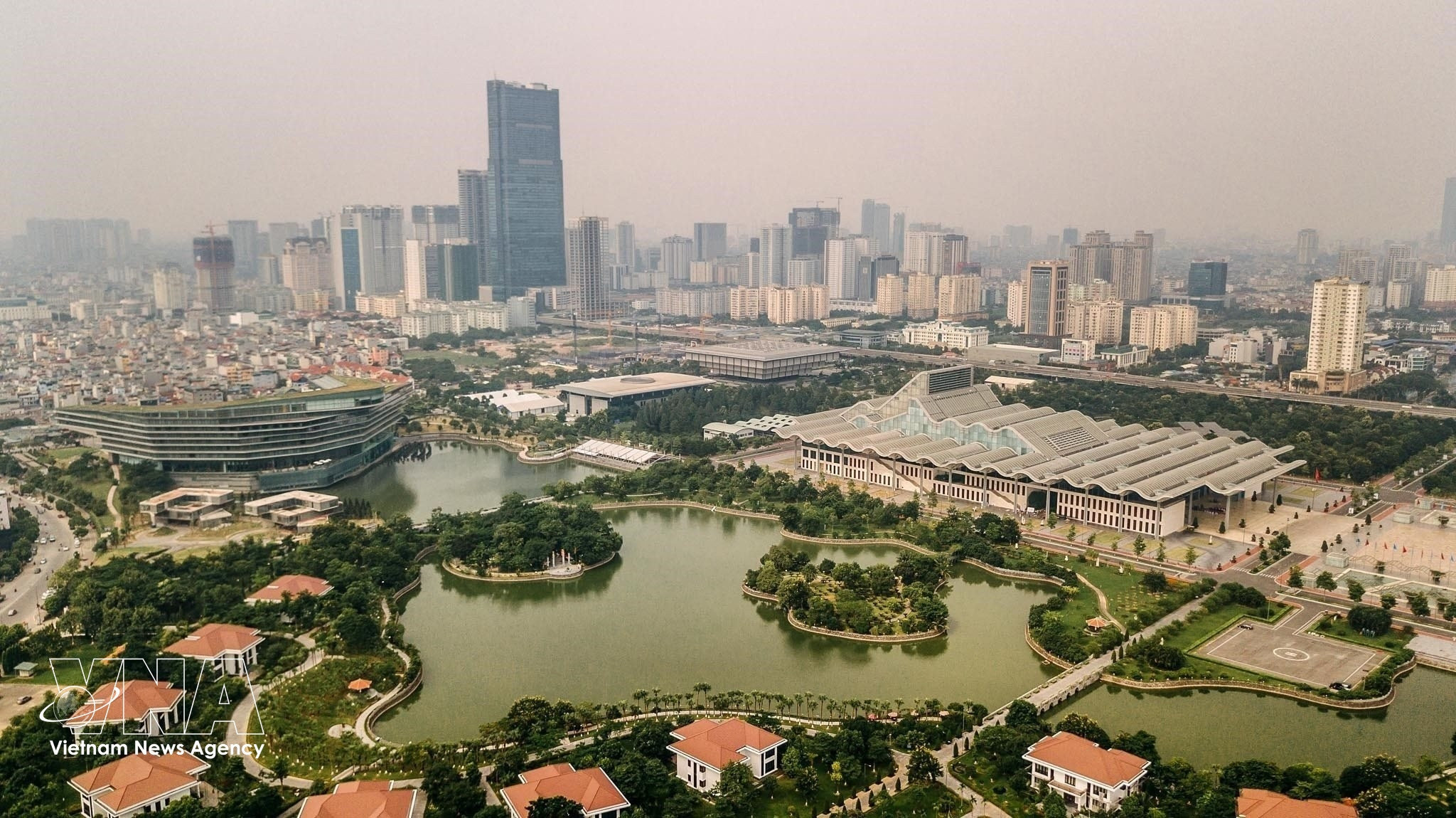
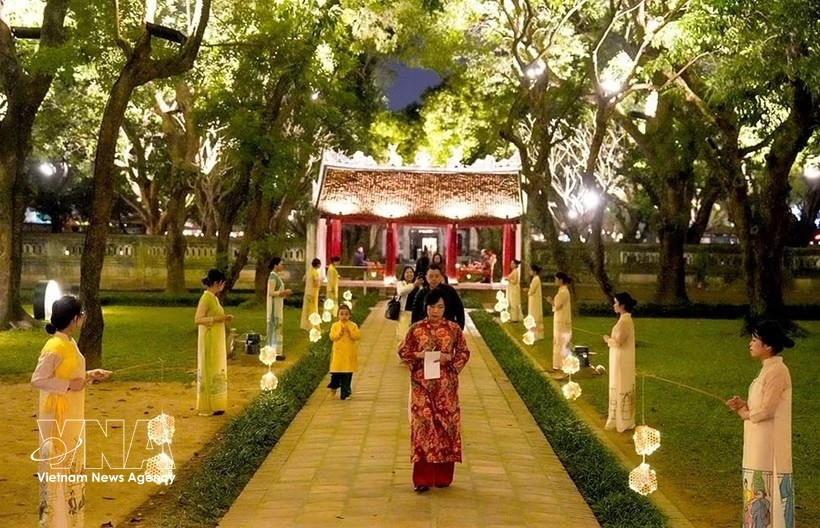
Hanoi is building cultural spaces to realise its century-long vision. (Photo: VNA)
While in previous planning, culture was placed in relation to heritage preservation, maintaining urban identity, and tourism development, the Hanoi Capital Master Plan with a 100-year vision identifies culture as the city's core value, an endogenous resource, a source of soft power, and a key driver of sustainable development.
The Hanoi Capital Master Plan with a 100-year vision identifies culture as the city's core value, an internal resource, a source of soft power, and a key driver of sustainable development. (Photo: VNA)
The plan's innovation lies in adopting a new approach that transforms culture from a sector that requires preservation into a catalyst for development. It also reorganises the capital's cultural space by integrating it with urban development, landscapes and contemporary life.
Building heritage networks
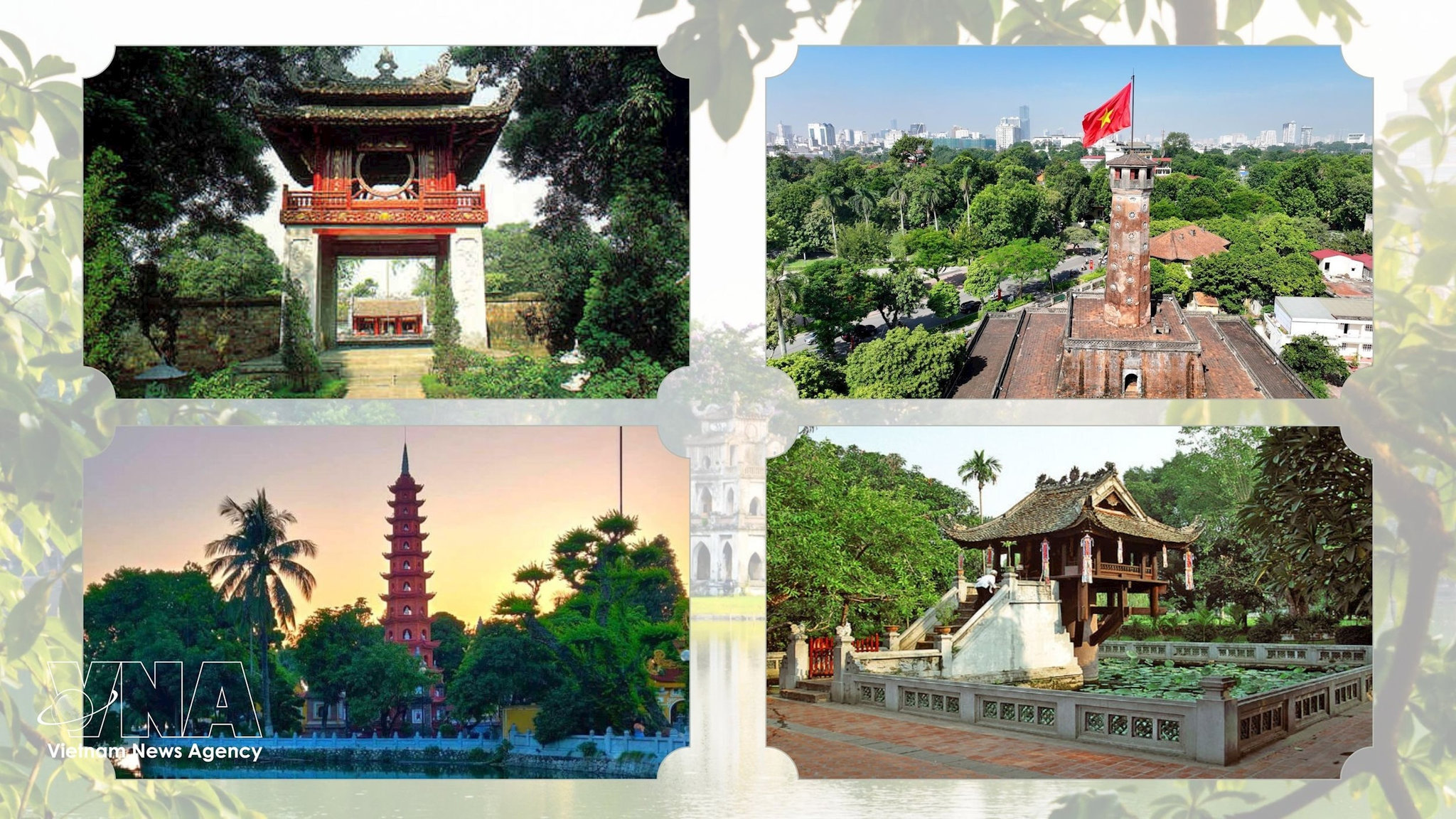
Hanoi is home to nearly 6,000 historical and cultural relics – the largest number of any locality in Vietnam, along with thousands of items of intangible cultural heritage and numerous UNESCO-recognised heritage assets. According to Director of the Hanoi Department of Culture and Sports Pham Tuan Long, these are not merely statistics but living evidence of the centuries-long formation and development of Thang Long, Dong Do and present-day Hanoi.
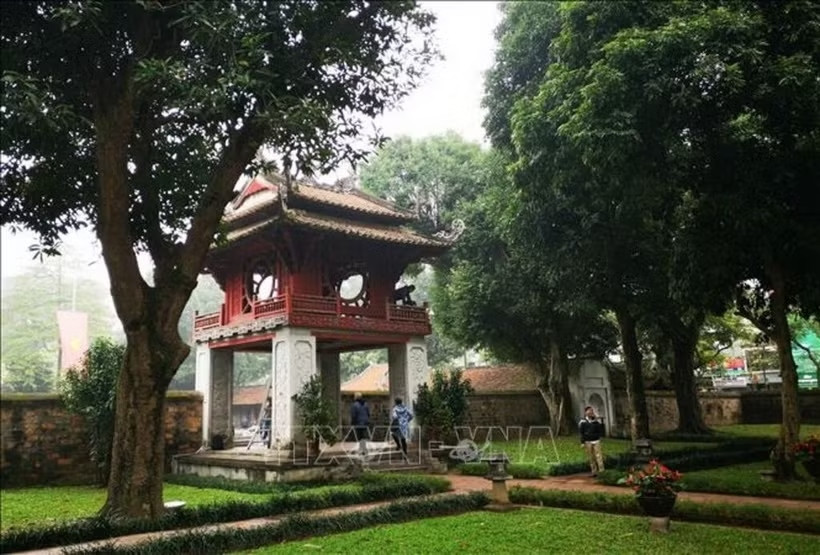
Van Mieu – Quoc Tu Giam (Temple of Literature – Imperial Academy) is a special national relic site. (Photo: VNA)
“
Nearly 6,000 historical and cultural relics, thousands of items of intangible cultural heritage, and numerous UNESCO-recognised heritage elements stand as vivid testaments to the centuries-long formation and development of Thang Long, Dong Do, and present-day Hanoi, rather than merely representing statistical figures.
Director of the Hanoi Department of Culture and Sports Pham Tuan Long
Instead of treating heritage as something to be "frozen" for preservation, the master plan considers it a development resource, he said. Under the capital's development structure featuring nine growth poles, Hanoi's rich heritage assets will serve as historical, cultural and civilisational foundations that shape the identity of each urban space.
Within its development framework centred on nine growth poles, the capital city's rich heritage assets will serve as a historical, cultural and civilisational foundation, helping shape the distinctive identity of each urban space. (Photo: VNA)
He stressed that heritage is not an obstacle to modernisation but rather the element that enables a modern city to retain its distinctive character. This mindset is reflected in the plan's spatial organisation. Rather than preserving individual relics in isolation, the master plan establishes large-scale cultural corridors and large-scale heritage networks, he stated.
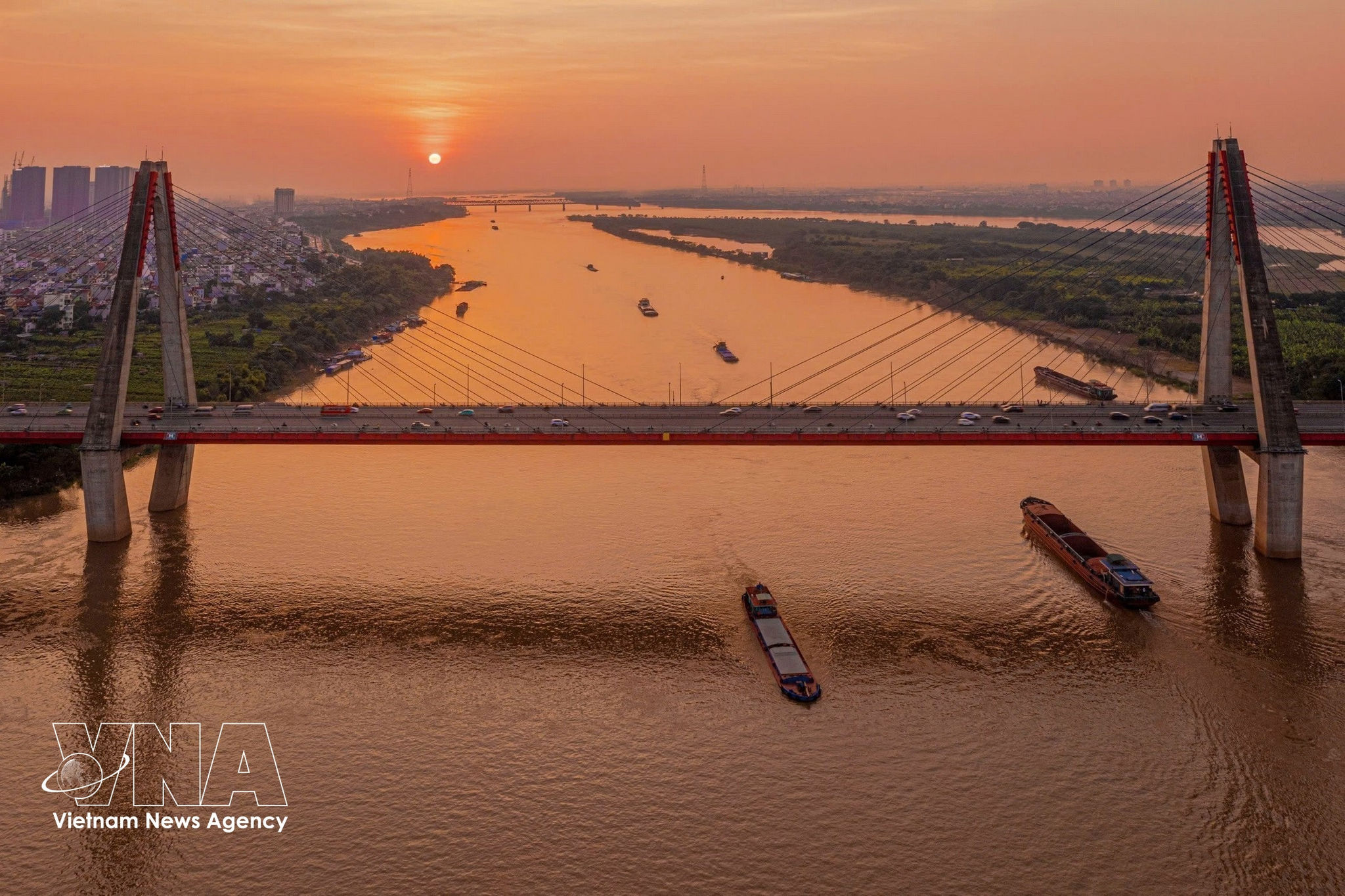
A key feature is the development of four major heritage, cultural and landscape corridors along the Da, Hong and Duong Rivers, spanning about 150 kilometres in total. Among them, the Hong (Red) River corridor will become the capital's primary landscape, cultural, historical and environmental axis. The riverbanks will accommodate public facilities, parks, cultural venues, tourism services and landmark structures for festivals and tourism, while connecting the urban areas on both sides of the river into a unified development structure.
The areas on both sides of the Red River will be developed into the backbone of the capital city in terms of landscape, culture, history, and environment. (Photo: VNA)
The area symbolises Hanoi's identity as a city of "Civilisation – Identity – Creativity" and has become a new icon of the capital, linking with provinces in the Red River Delta and other areas within the Red River system to form a distinctive ecological and economic landscape for northern Vietnam.
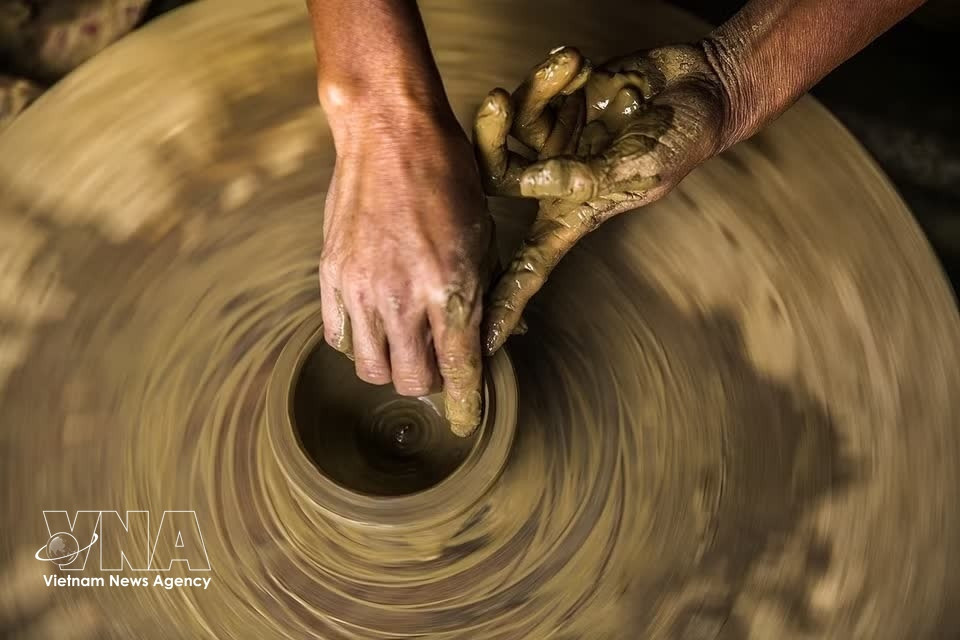
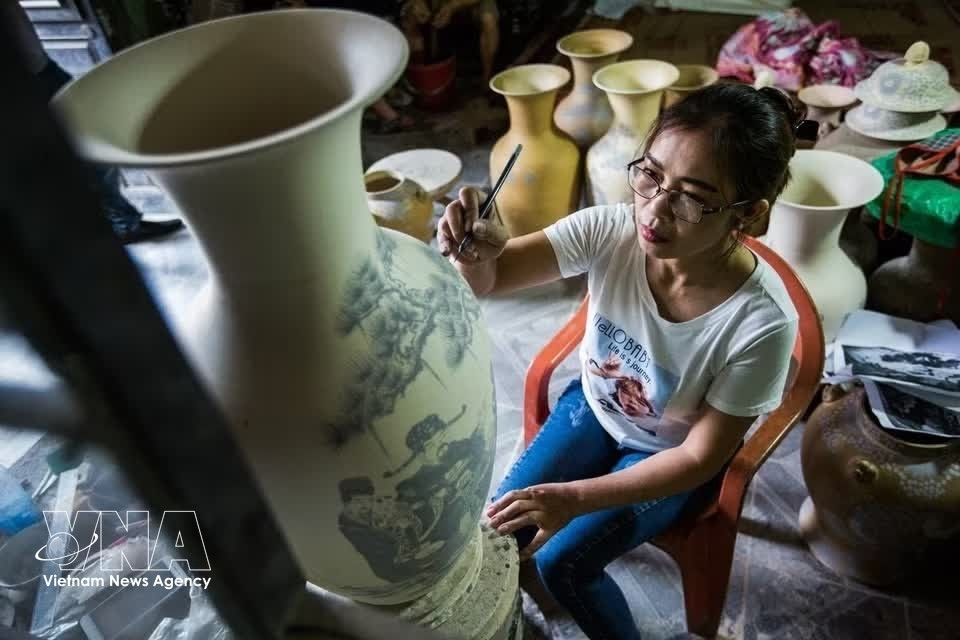
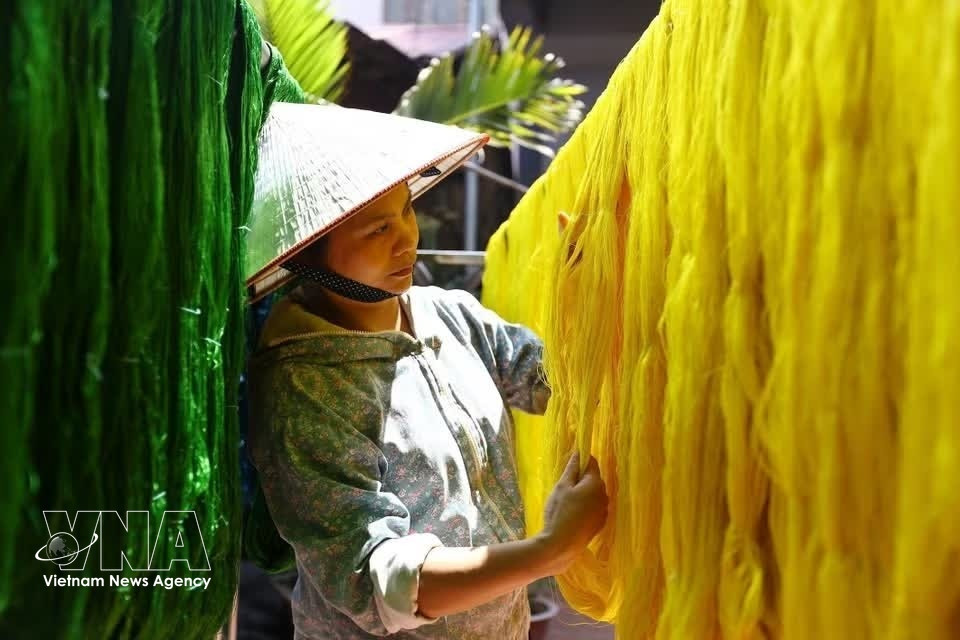
Long described the Red River as the "mother river" and the capital's principal cultural and landscape axis. The history of Thang Long-Hanoi is closely associated with ancient villages, craft villages and historical sites along its banks. Detailed planning in the coming period will therefore study the expansion of conservation areas covering ancient villages, traditional craft villages and riverside relic sites, preserving a "heritage axis" that connects the past with the future amid urban development.
The history of Thang Long – Hanoi is closely linked to the system of ancient villages, craft villages, and historical sites along both banks of the Red River. (Photo: VNA)
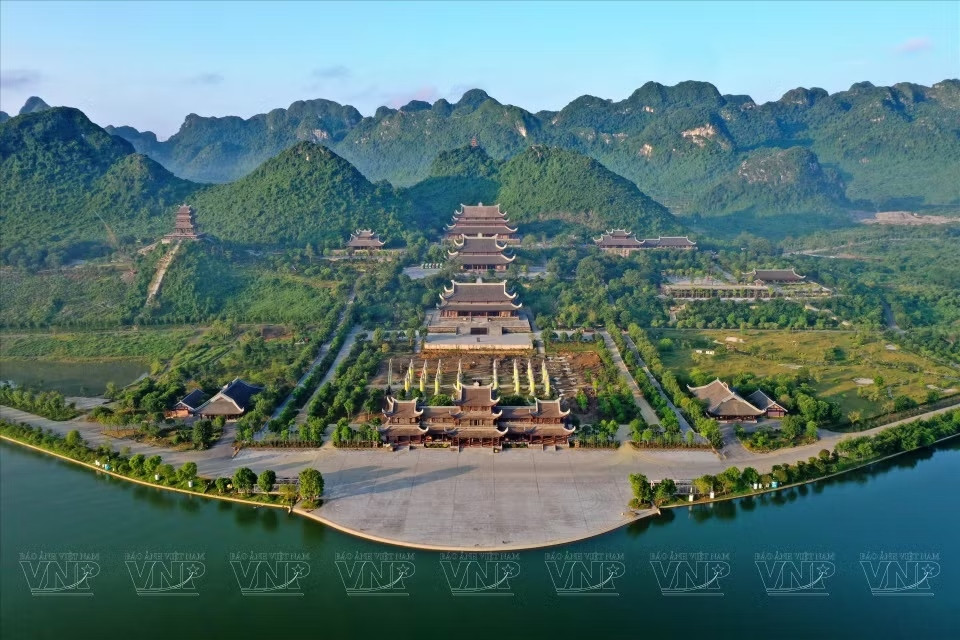
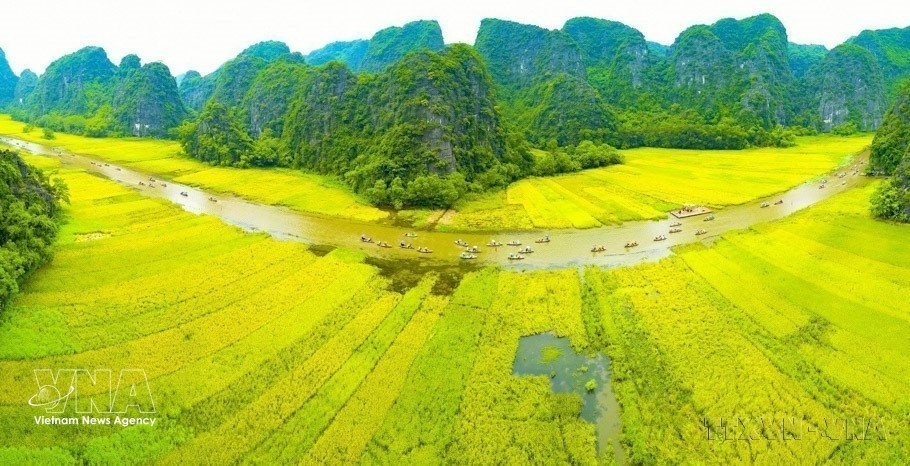
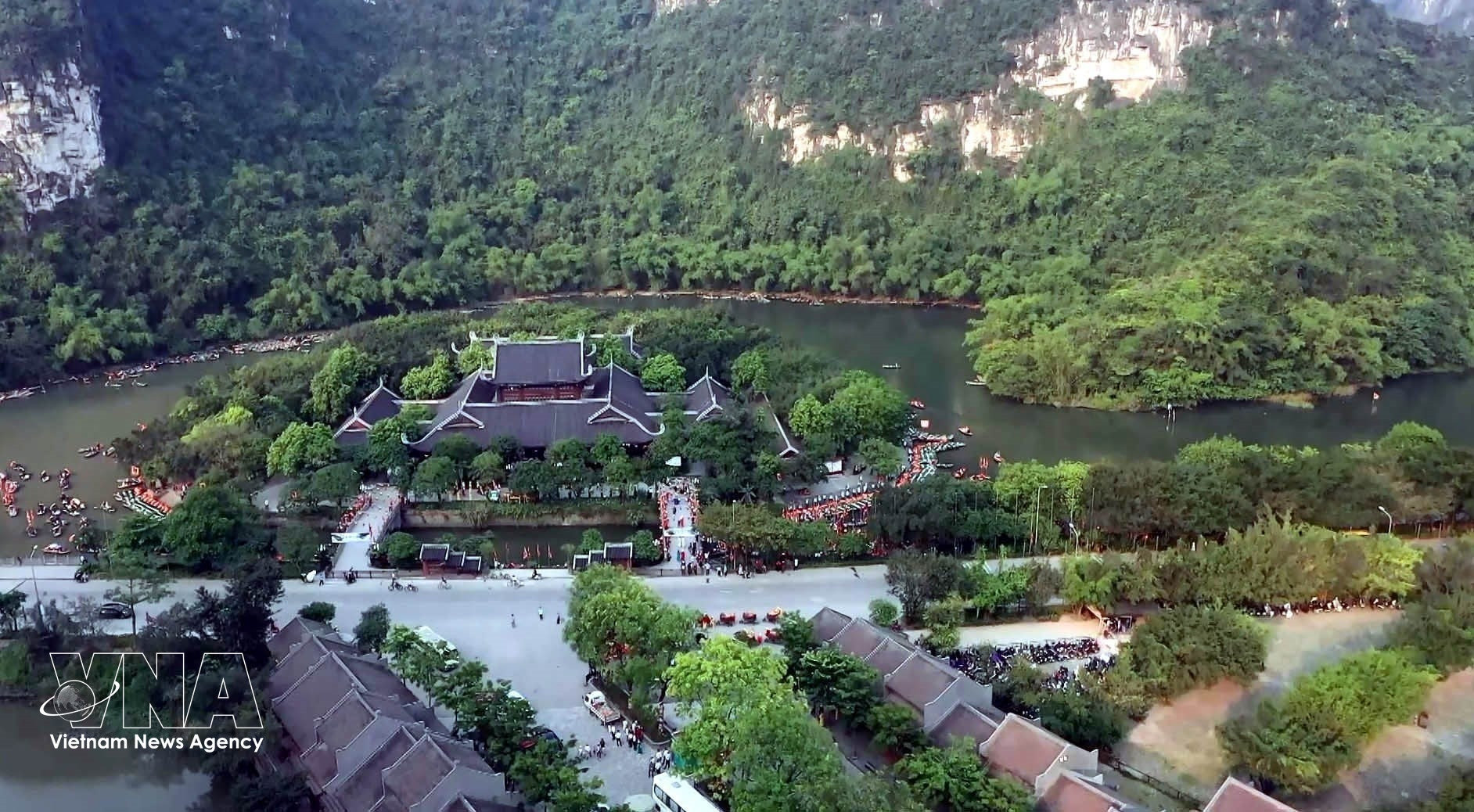
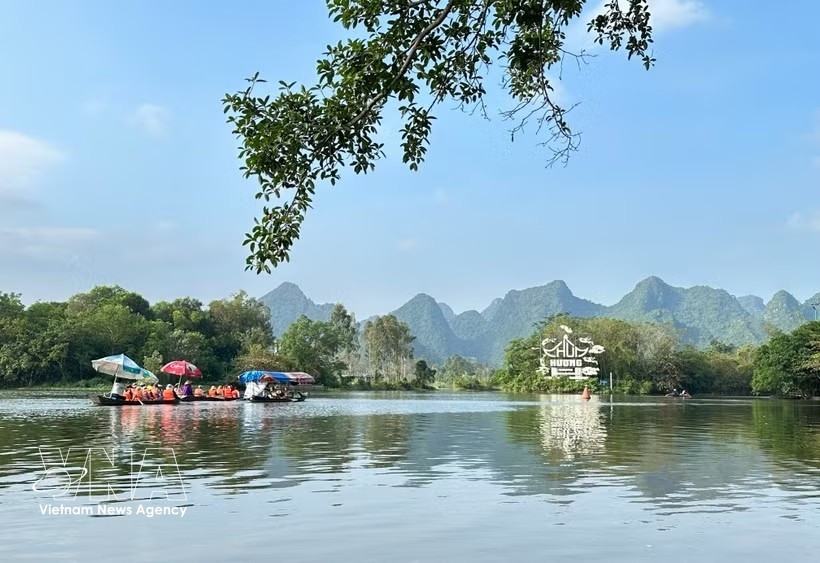
Alongside the Red River corridor, the master plan establishes a "Green - Spiritual Arc" to the west and south of the capital, connecting a chain of key scenic spots and historical, cultural, and spiritual relics along the North-South axis, beginning at Soc Son (Giong Temple) – Ba Vi (Tan Vien Mountain, National Park) – Vien Nam (ecological buffer zone) – Luong Son (a cultural transition area of the Muong ethnic group) – Quan Son (Hong Son) – Huong Tich (Huong Pagoda), before extending to Tam Chuc and the Trang An – Bai Dinh complex in Ninh Binh province. This space serves as both a green belt to protect the environment and a large-scale inter-regional "Heritage and Spirituality Route" for experiential tourism.
Tam Chuc and Trang An – Bai Dinh (Ninh Binh province) serve as both a green belt for environmental protection and open up a large-scale inter-regional tourism route called the "Heritage and Spirituality Route". (Photo: VNA)
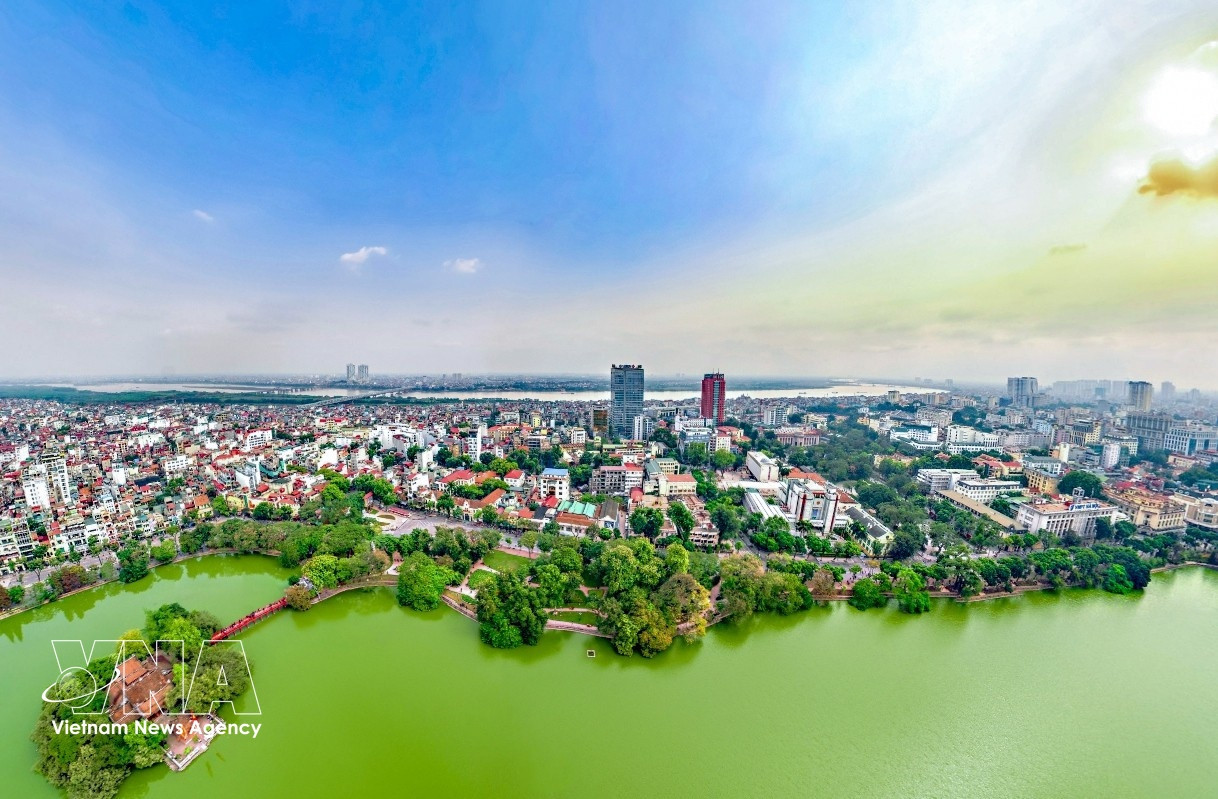
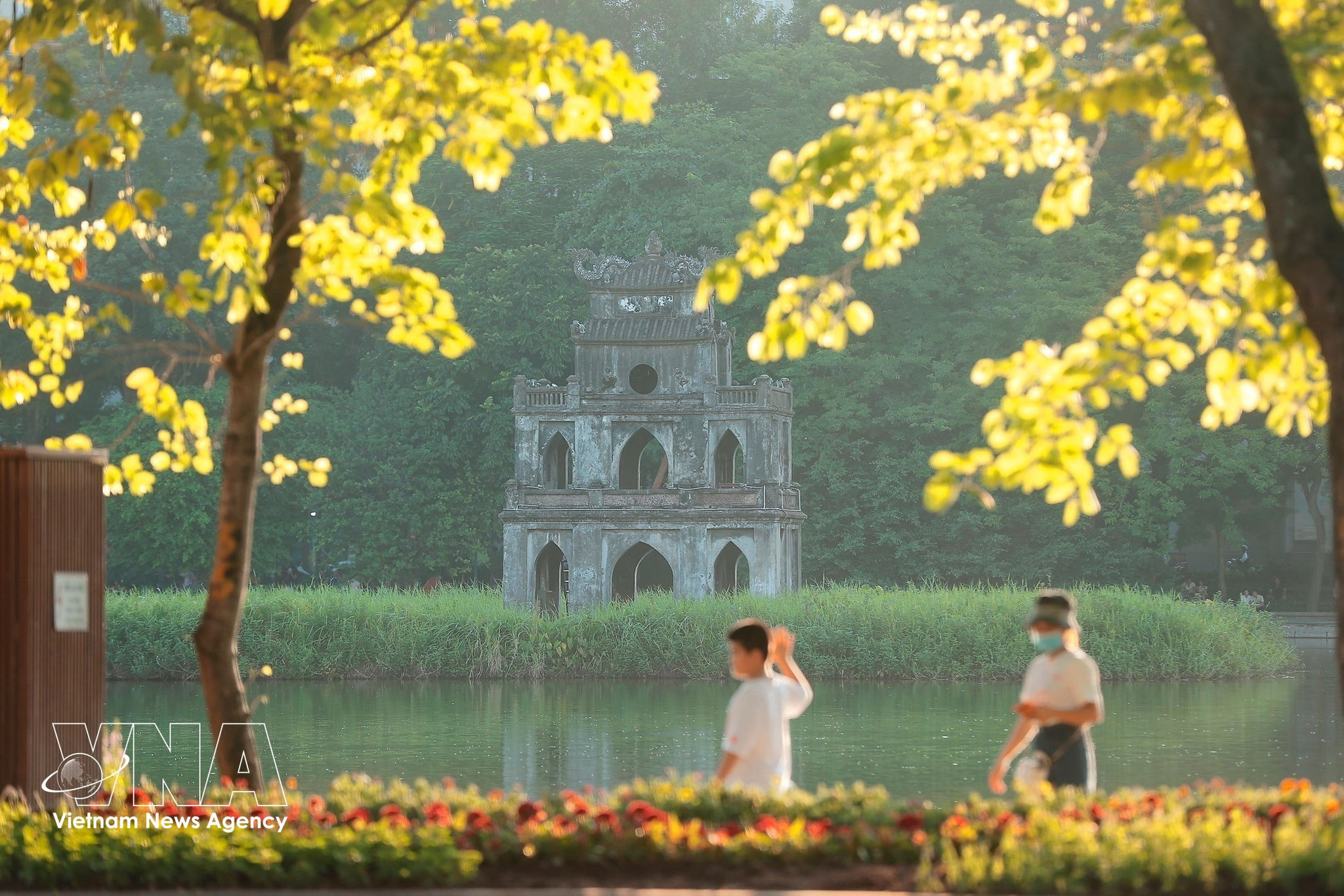
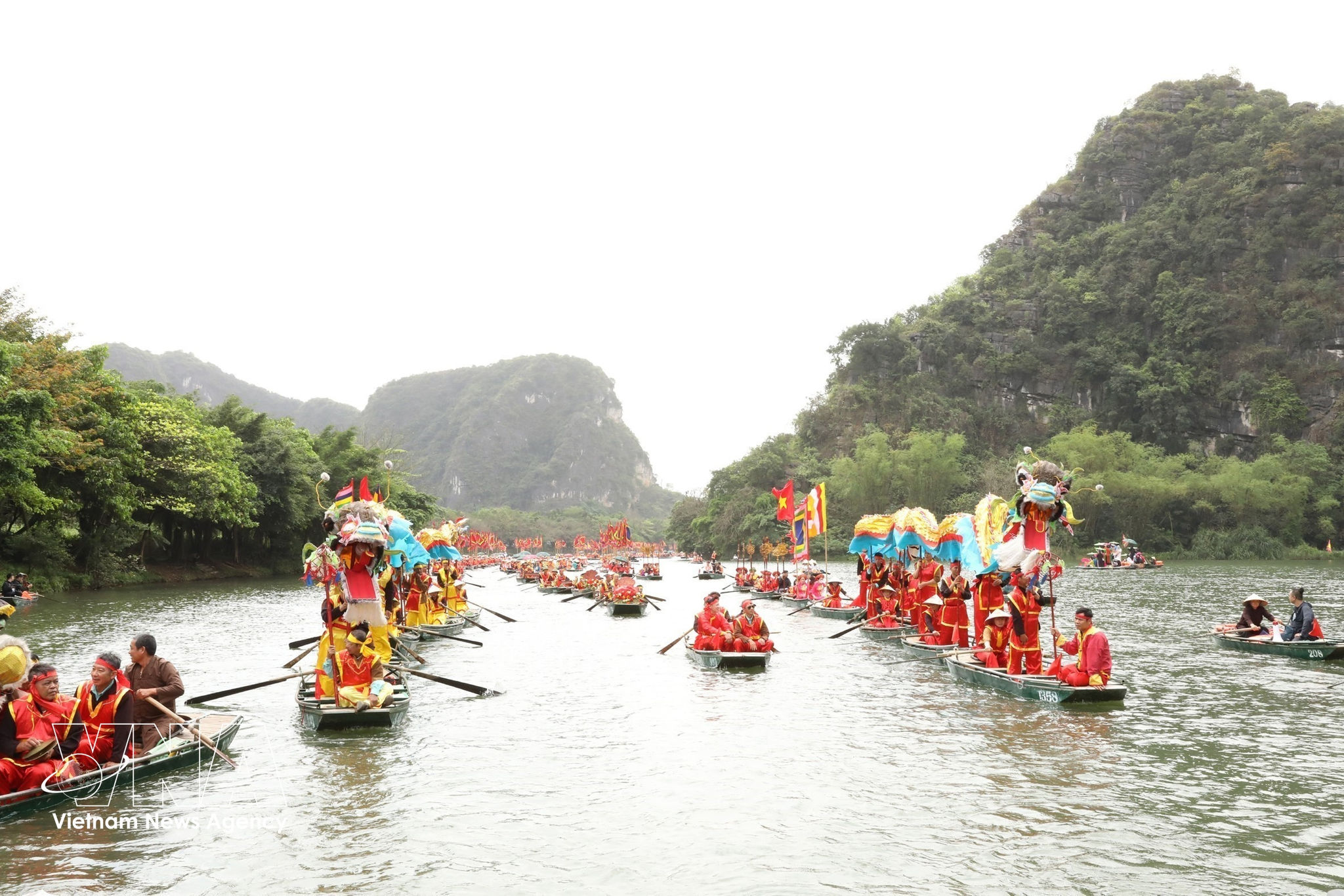
The plan also reorganises many distinctive cultural spaces into an integrated system rather than managing each heritage site separately. This network links the Thang Long Imperial Citadel, the Co Loa relic site, the Old Quarter, Hoan Kiem Lake and surrounding areas, the Red River corridor, traditional craft villages, communal houses, pagodas, temples, ancient villages, riverside cultural spaces and traditional agricultural areas. The goal is to create cultural, landscape and tourism corridors where residents and visitors can experience heritage as a continuous journey rather than a series of isolated destinations.
Notably, the plan extends beyond Hanoi's historic urban core by promoting the role of heritage "nuclei" in outlying areas. According to Long, sites such as the Son Tay Ancient Citadel, the Duong Lam Ancient Village, the Huong Son and Co Loa complexes, Thay, Tay Phuong, Tram Gian and Tram pagodas will become cultural centres supporting the sustainable development of surrounding satellite areas. The presence of ancient villages and traditional craft villages associated with these sites will help harmonise modern living spaces with traditional values.
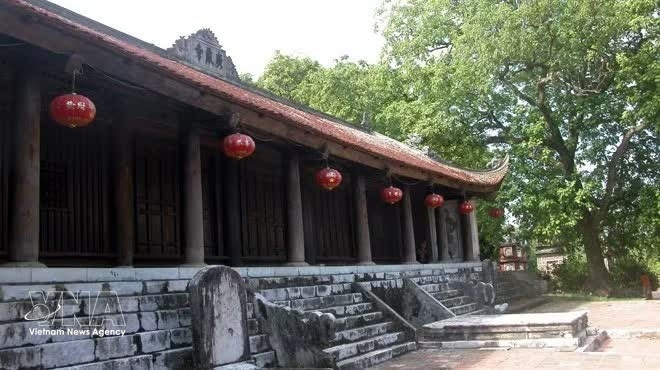
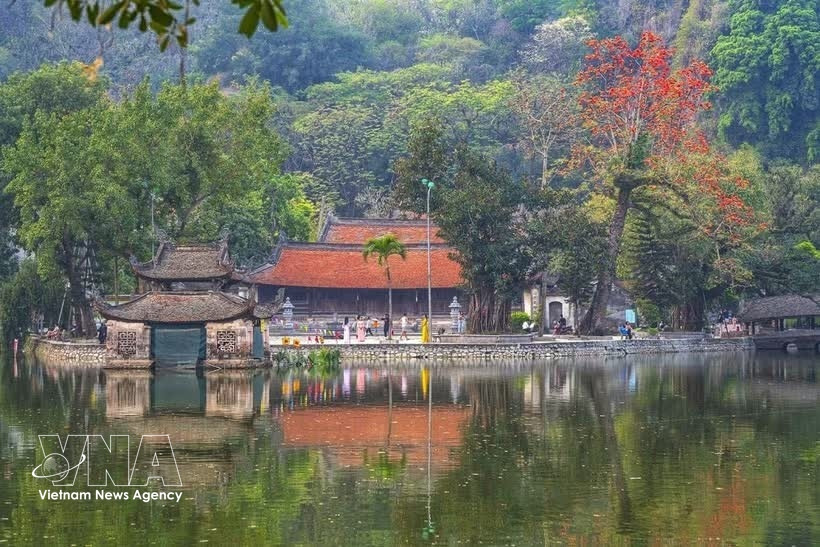
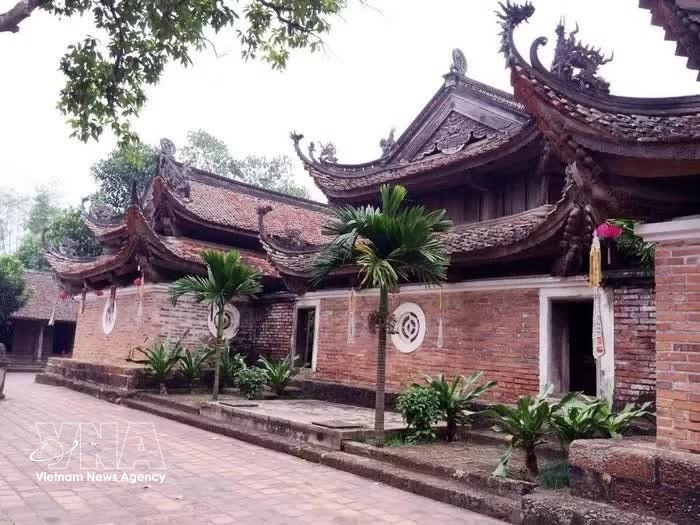
Historical sites such as Thay, Tay Phuong, Tram Gian and Tram pagodas serve as cultural hubs, fostering the sustainable development of surrounding satellite urban areas. (Photo: VNA)
Breathing new life into the capital's culture
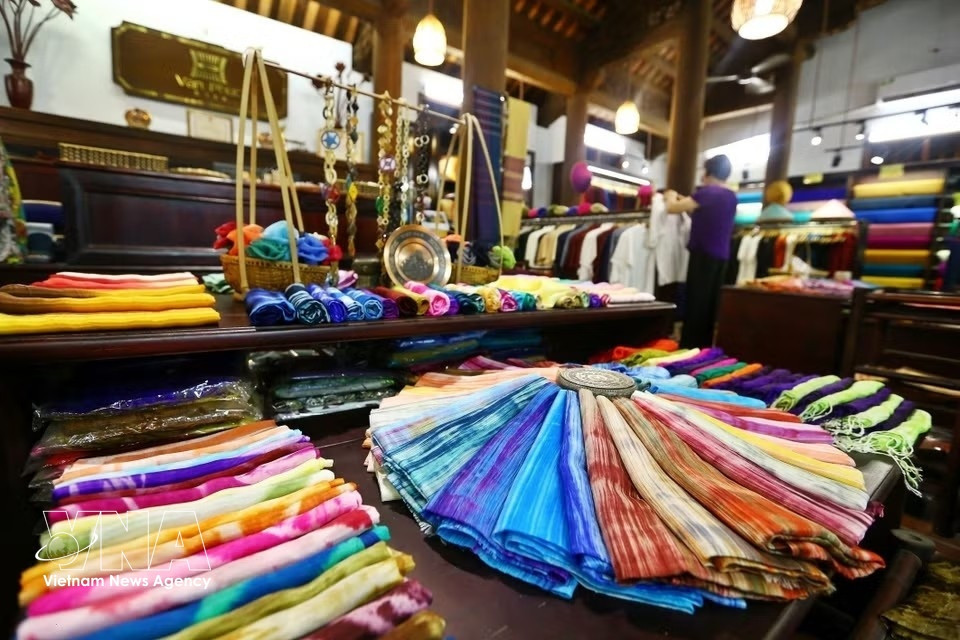
Alongside the reorganisation of heritage spaces, the master plan aims to build a modern, distinctive cultural and creative ecosystem, making cultural industries one of Hanoi's key economic sectors.
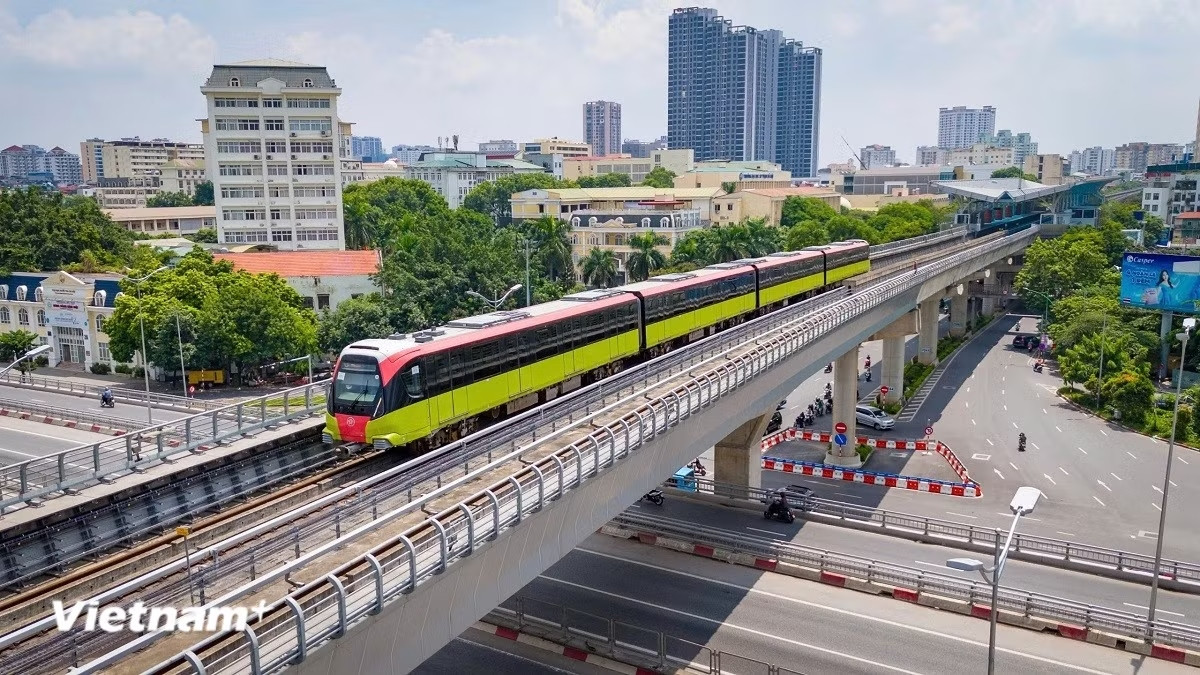
Hanoi's 100-year master plan aims to turn cultural industries into a spearhead economic sector of the capital. (Photo: VNA)
Under the plan, Hanoi will invest in a comprehensive network of modern cultural institutions, including a city cultural and arts centre and cultural industry parks integrated with commercial and service functions. It will build new professional performing arts venues; expand the public library network; develop cultural and art exhibition spaces along both banks of the Red River; transform the Duong River waterfront into a complex of eco-tourism services, theme parks, sports and spaces for community activities; and further promote the value of cultural spaces, historical relics and landscapes to support economic and tourism development.
One highlight is the planned establishment of a National Heritage, Academic and Academic Diplomacy Space at 19 Le Thanh Tong street as a model of "dynamic conservation", combining heritage preservation with academic research, international exchanges, and cultural-knowledge products.
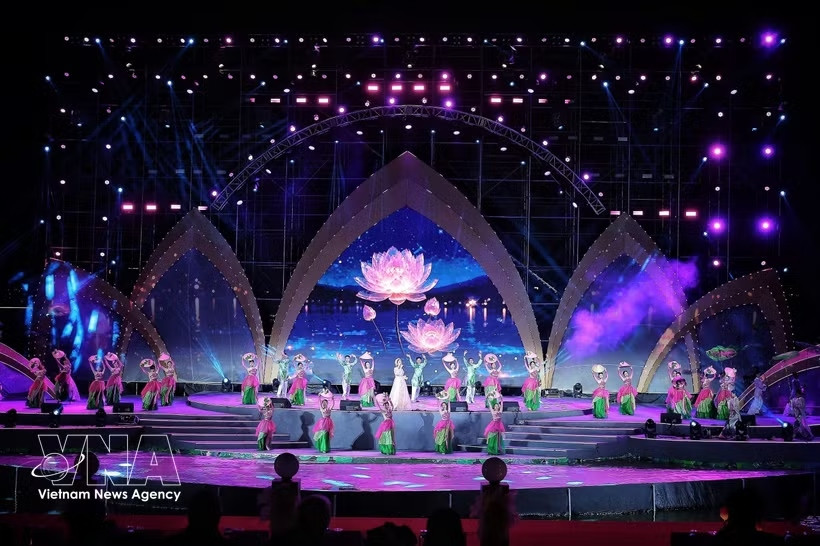
The plan also calls for the development of a cultural industry and innovation ecosystem, including creative industry clusters, innovation parks and internationally scaled creative complexes. Hanoi also plans to host annual international festivals and arts events to strengthen its position as a regional centre of creativity.
Hanoi will invest in a comprehensive system of modern cultural facilities. (Photo: VNA)
The city aims to digitise and map all recognised relic sites, national treasures and documentary heritage, establish an integrated cultural database, and apply geographic information systems (GIS) to heritage management, conservation and promotion. It will also study nominations for additional UNESCO World Heritage recognition, including Bat Trang pottery village, the Co Loa relic complex, the Huong Son scenic complex, the President Ho Chi Minh Mausoleum complex, K9–Da Chong historical site and Long Bien Bridge, as part of efforts to preserve and promote heritage while building Hanoi's image as a global city.
Hanoi shapes cultural spaces under the century-long vision. (Video: VNA)
According to experts, placing culture at the heart of the capital's development strategy reflects the 100-year vision of the Hanoi Capital Master Plan and introduces a new approach to urban development. As heritage corridors take shape, cultural spaces become increasingly interconnected, and the city's creative ecosystem matures, culture is expected to become the foundation of Hanoi's identity, competitiveness and development momentum over the next century./.
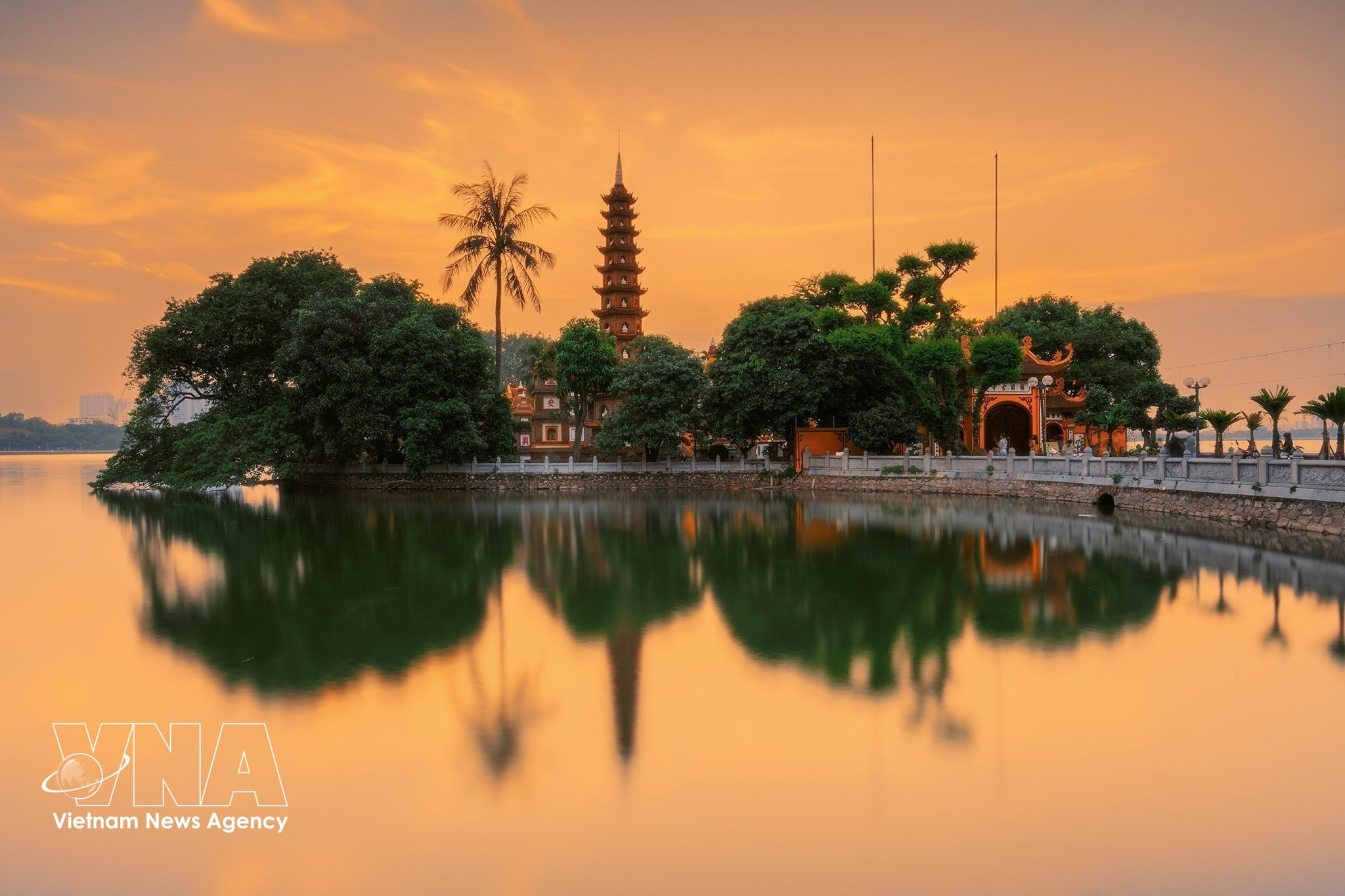
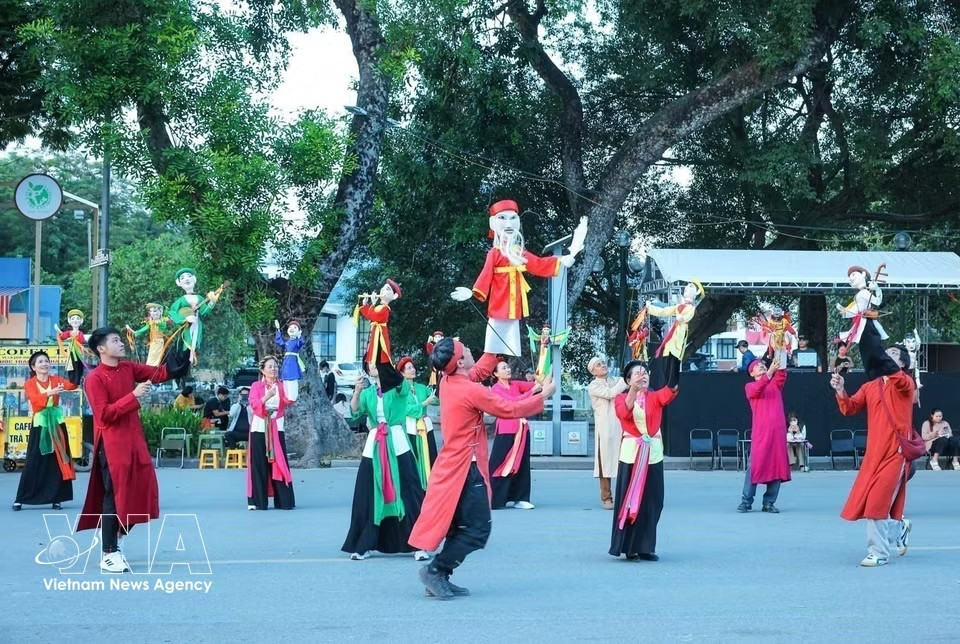
As heritage corridors are established, cultural spaces connected, and the creative ecosystem gradually completed, culture will become the foundation shaping the capital's identity, competitiveness, and development momentum in the coming century. (Photo: VNA)


.jpg)
.jpg)
.jpg)