BUILDING A DIGITAL ECOSYSTEM FOR FOREIGNERS IN VIETNAM
LongForm - Ngày đăng : 16:48, 30/07/2026
{Tên chuyên mục}
BUILDING A DIGITAL ECOSYSTEM FOR FOREIGNERS IN VIETNAM
{VNA}•{Ngày xuất bản}
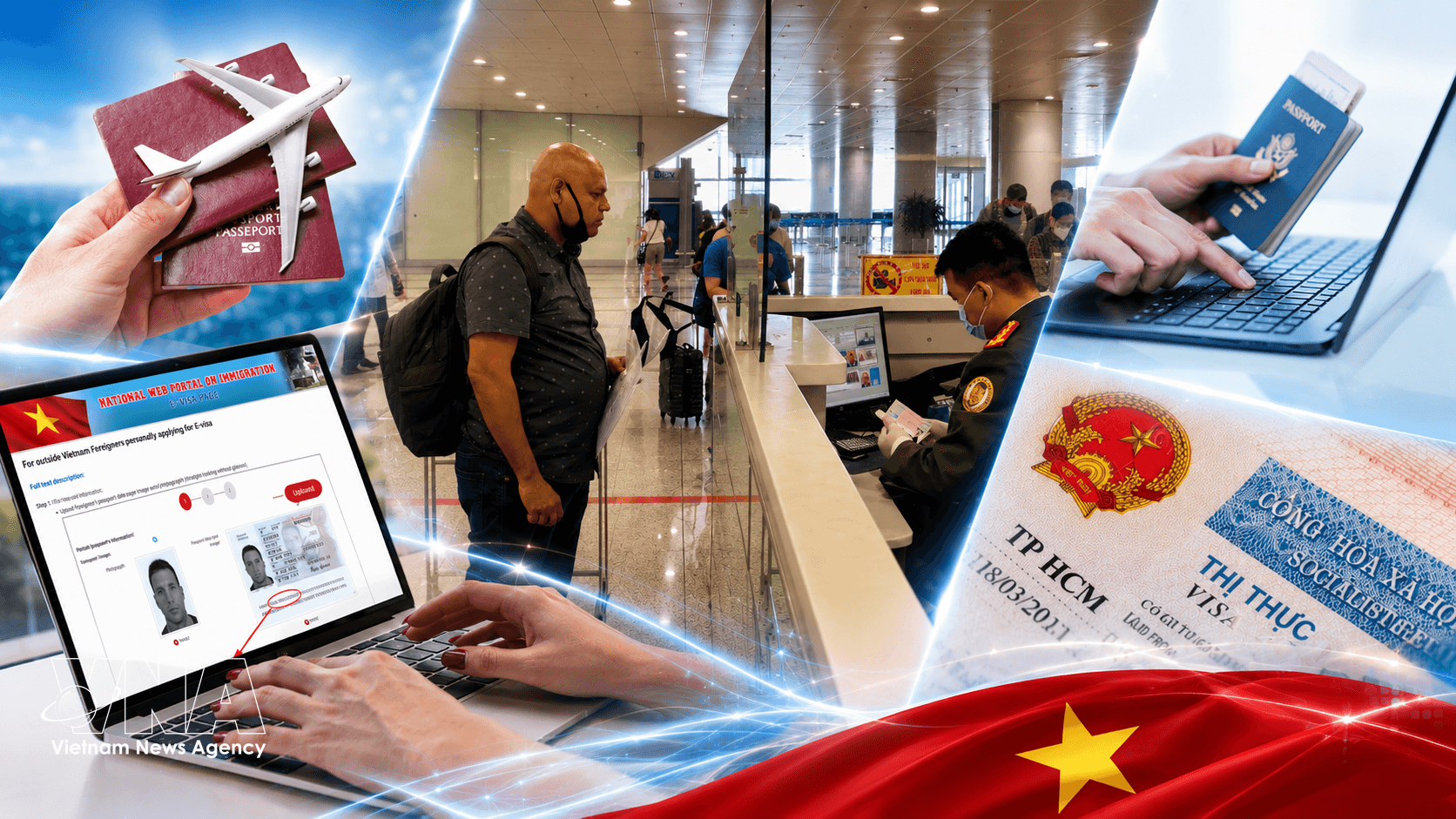
Registering residence, applying for an electronic visa (e-visa), obtaining an electronic identity account or completing administrative procedures online can now all be done conveniently in the digital environment. For many foreigners, these changes have made it easier to enter, live and work in Vietnam while also reflecting the initial results of implementing the Politburo's Resolution No. 57.
Electronic identity expands digital experience
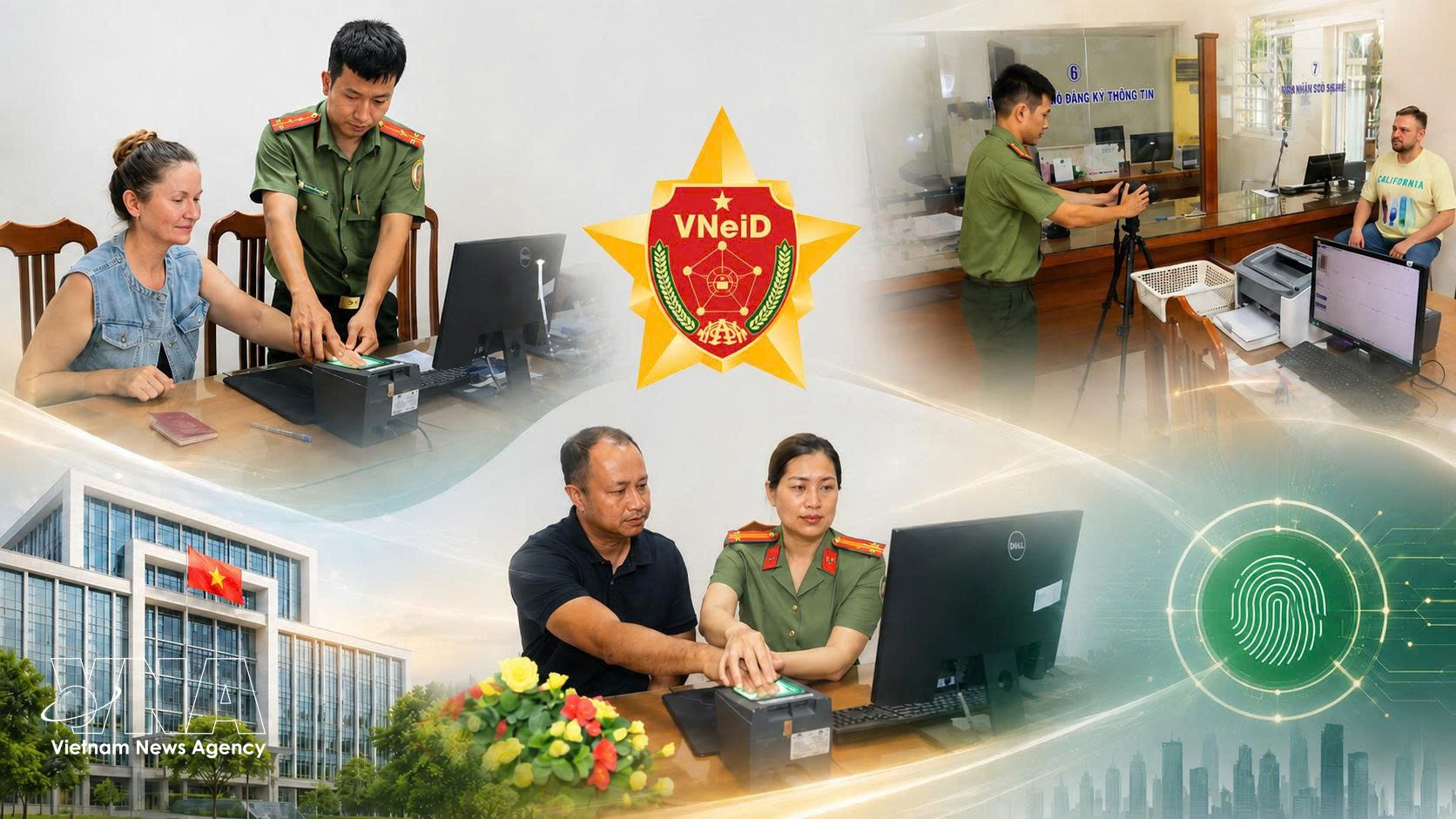
Immediately after the Government's Decree No. 69 took effect, foreigners holding valid temporary or permanent residence cards become eligible to register for a Level-2 electronic identity (e-ID) account at immigration authorities.
Kim Ji Eun, Chairwoman of the Board of Directors of the Korea Global School (KGS) system, was among the first to complete the procedure in Hanoi. Kim shared that what impressed her was not only the streamlined process but also its transparency, which allows applicants to track their applications.
"Vietnam is reforming its public administration and digitalising public services in a way that is more convenient for both citizens and businesses," she said.
Meanwhile, Jeong Young Oh, Principal of the KGS system, said the use of the VNeID application and electronic boarding passes has made air travel much simpler. Brinkerhoff Samuel Herbert, an American teacher, also observed that Vietnam is keeping pace with the global trend of digital identity.
Kim Ji Eun, Chairwoman of the Board of Directors of the KGS school system
As a foreign investor, I appreciate Vietnam's efforts to reform public administration and digitalise public services toward a more user-friendly administrative system. These reforms create favourable conditions for individuals and businesses by cutting administrative procedures and shortening processing time.
Young Oh, Principal of the KGS school system
In recent years, Vietnam's development has accelerated thanks to significant progress in digital transformation policies. Every time I travel through airports or similar places, I can clearly see these changes. I only need to present my electronic boarding pass and VNeID on my mobile phone to board a flight, instead of carrying paper documents as I did a few years ago.
Brinkerhoff Samuel Herbert, American teacher
Whenever I went to the police department, there were no issues. It was very quick and easy. There’s no need to bring an ID around with you. You can just kind of show your ID online. As far as administration processes, I found out that it’s gotten a lot quicker and a lot faster.
Dang Tuan Viet, Deputy Director of the Immigration Department under the Ministry of Public Security, said a Level-2 electronic identity account enables foreigners to verify their identities using biometric data, making it more convenient to access public services, conduct financial transactions, use healthcare and insurance services, and prove their lawful residence status without having to carry multiple documents.
“
For foreigners, electronic identity accounts enable them to access a range of public administrative services and conduct transactions with banks, healthcare providers, and insurance agencies, reducing the need to visit state agencies in person to complete administrative procedures.
Dang Tuan Viet, Deputy Director of the Immigration Department
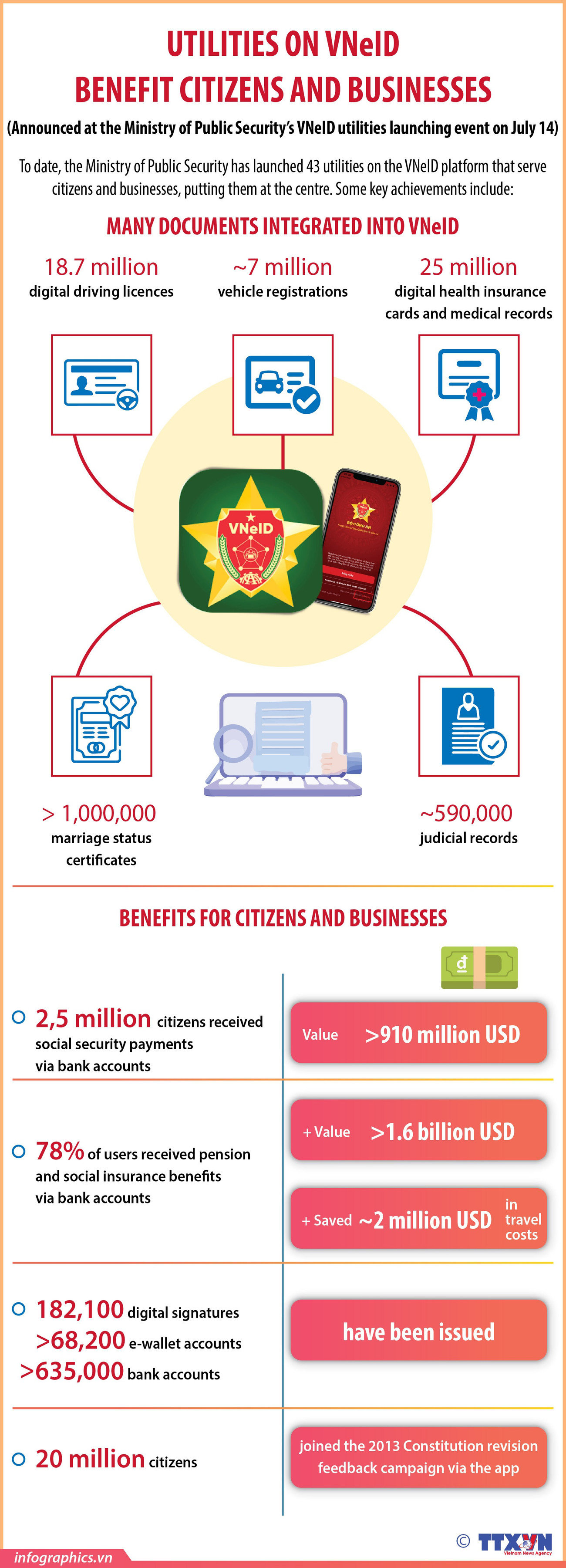
Since July 1, 2025, the Immigration Department has received more than 87,000 applications and issued over 84,800 electronic identity accounts, with citizens of the Republic of Korea, China and Japan making up the largest share of registered users.
Despite these positive results, implementation has encountered several challenges, including language barriers, processing times, and coordination among relevant agencies.
Once these bottlenecks are addressed, Kim said, Vietnam's digital transformation will deliver even greater benefits.
In practice, Vietnam's digital public services are gradually approaching modern governance standards. To ensure that digital transformation delivers sustainable results, strengthening inter-agency coordination remains just as important as technological advancement.
Digital era and Resolution No. 57
Over the past decade, digital transformation has become a global development trend, driving breakthroughs in science, technology and innovation. Technologies such as big data, artificial intelligence (AI) and the Internet of Things (IoT) are fundamentally reshaping governance, production and daily life, creating urgent requirements for countries to seize opportunities to secure development breakthroughs.
In Vietnam, the Politburo's Resolution No. 57-NQ/TW identifies science, technology, innovation and digital transformation as strategic breakthroughs and key drivers of the country's modernisation, to make Vietnam a developed nation by 2045 and position its digital competitiveness among the region's and the world's best.
A DECADE OF VIETNAM’S DIGITAL TRANSFORMATION
1
Laying the groundwork (2016–2019)
During this period, digital transformation had yet to be clearly defined as a national development strategy. Instead, the focus was primarily on information technology applications and the development of e-government. The e-government development programmes for 2016–2020, together with the Government's Resolution No. 17/NQ-CP issued in 2018, laid an important cornerstone for the digitalisation of state governance.
2
Formalising the national agenda (2020–2021)
The year 2020 marked a turning point when the Prime Minister approved the National Digital Transformation Programme under Decision No. 749/QD-TTg, establishing for the first time three pillars – digital government, digital economy and digital society. This marked a shift in development mindset from applying information technology to pursuing comprehensive digital transformation. Against the backdrop of the COVID-19 pandemic, the process accelerated rapidly, reflected in the expansion of online public services, stronger participation by businesses and the rapid growth of e-commerce.
3
Nationwide implementation (2022–2023)
Digital transformation was rolled out nationwide with a people-centred approach. In 2022, the Government launched Project 06 on developing the national residents database, electronic identification and electronic authentication, marking a major milestone with the introduction of the VNeID application. Online public services, chip-based citizen identity cards and cashless payments gradually became part of daily life, turning digital transformation from policy into reality.
4
Integration and data-driven governance (2024–2025)
The focus during this period shifted to data connectivity, interoperability and utilisation. The Government moved beyond digitalisation to using data as a governance tool. VNeID was expanded to integrate personal documents and administrative services, while many localities accelerated smart city development, laying the groundwork for modern digital governance..
5
New strategic phase – comprehensive breakthroughs (2025–2026)
The adoption of Resolution No. 57-NQ/TW marked a pivotal shift in Vietnam's development mindset. Digital transformation is no longer viewed merely as a supporting tool but as a core driver of national development. Science, technology and innovation have been identified as strategic pillars underpinning a new growth model for the digital era.
Notably, the nature and role of digital transformation were clearly articulated by Party General Secretary and State President To Lam. He noted that this is a new mode of development – the digital development model. In this context, digital transformation is not merely a technology project or the application of information technology, but a comprehensive transformation requiring systemic mindset and a solid theoretical foundation to build a new development architecture aligned with the evolution of productive forces and production relations in the digital era.
Party General Secretary and State President To Lam affirms that digital transformation represents a new mode of development — the digital development model. (Photo: VNA)
“
To achieve our goal of becoming a nation with modern industry by 2030 and a developed, high-income country by 2045, we must regard science, technology, innovation and digital transformation as key drivers. Science – technology development and digital transformation are important means to achieve these goals. Innovation are the decisive factor that creates extraordinary achievements because only innovation can deliver revolutionary advances, overcome existing barriers and limitations, and produce outstanding results.
Party General Secretary and State President To Lam
Party General Secretary To Lam chairs a meeting of the standing members of the Central Steering Committee for the Development of Science, Technology, Innovation and Digital Transformation on March 12, 2026. (Photo: VNA)
“
Investment in science, technology, innovation and digital transformation is not a short-term endeavour. It requires accepting a certain degree of delay in returns and an appropriate level of risk. This represents a major shift in development mindset.
Bui The Duy, Deputy Minister of Science and Technology
Bui The Duy, Deputy Minister of Science and Technology, noted Resolution No. 57 serves as a policy spearhead, focusing on removing institutional bottlenecks to unlock resources for science, technology, innovation and digital transformation. He said the resolution's key breakthrough lies in its long-term investment mindset. It also prioritises foundational technologies such as data, artificial intelligence (AI), blockchain and the Internet of Things (IoT), providing the basis for a new innovation-driven growth model.
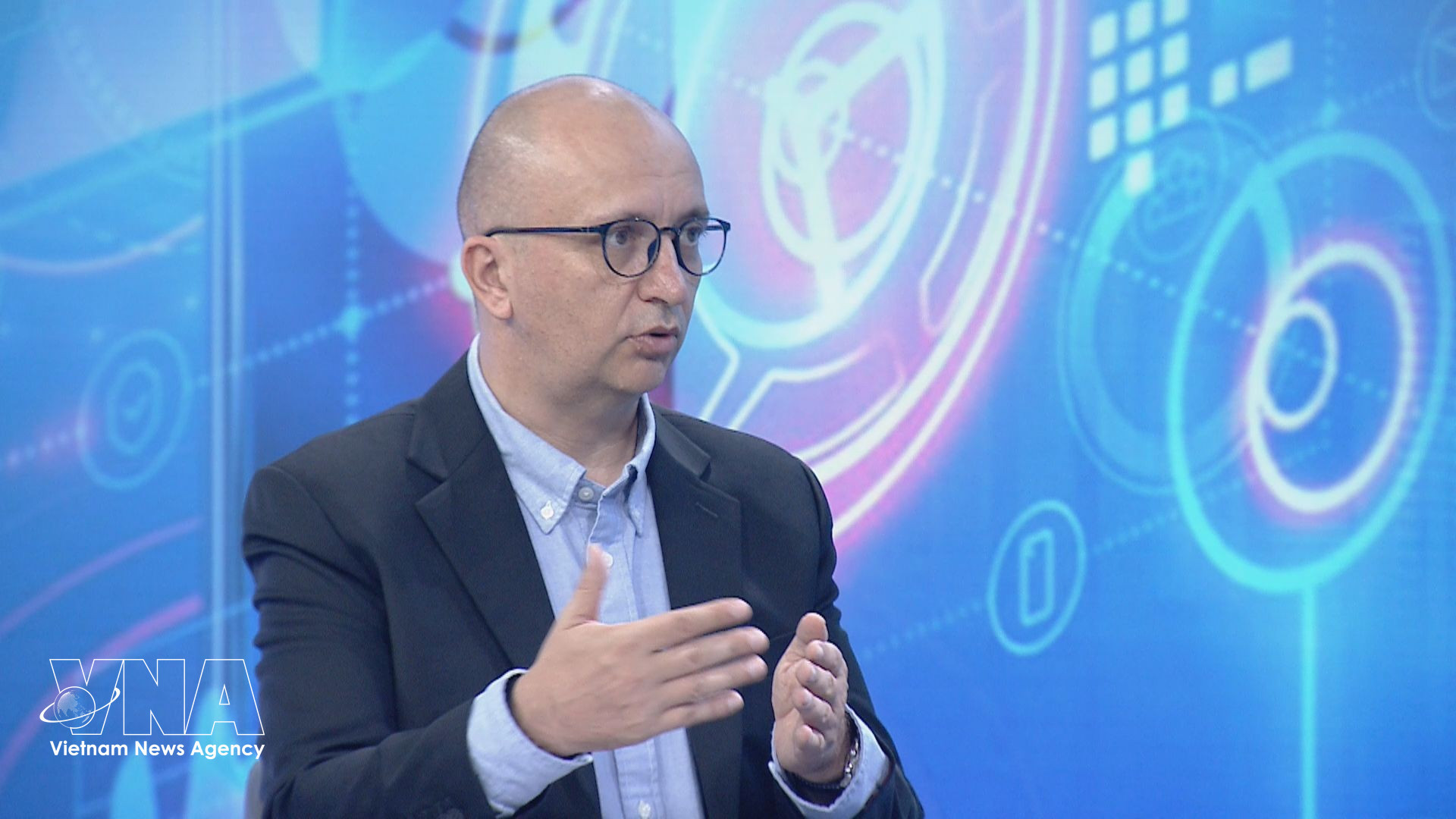
From an international perspective, Csaba Bundik, founder of Tenjin AI and former Executive Director of EuroCham Vietnam, said Vietnam has made remarkable progress in building a digital government.
More than 15 years ago, most administrative procedures were still paper-based, and knowing where to go and whom to meet was sometimes even more important than understanding the process itself. Today, however, many public services can be completed, paid for and tracked entirely online. This has not only enhanced transparency but also significantly reduced processing time, travel costs and reliance on in-person assistance, he said.
“
Alongside ensuring cybersecurity, Vietnam should continue enhancing data interoperability, expanding multilingual support, and maintaining effective backup mechanisms to ensure service continuity when digital systems encounter disruptions.
Csaba Bundik, Former Executive Director of EuroCham Vietnam, CEO of CETA Consulting
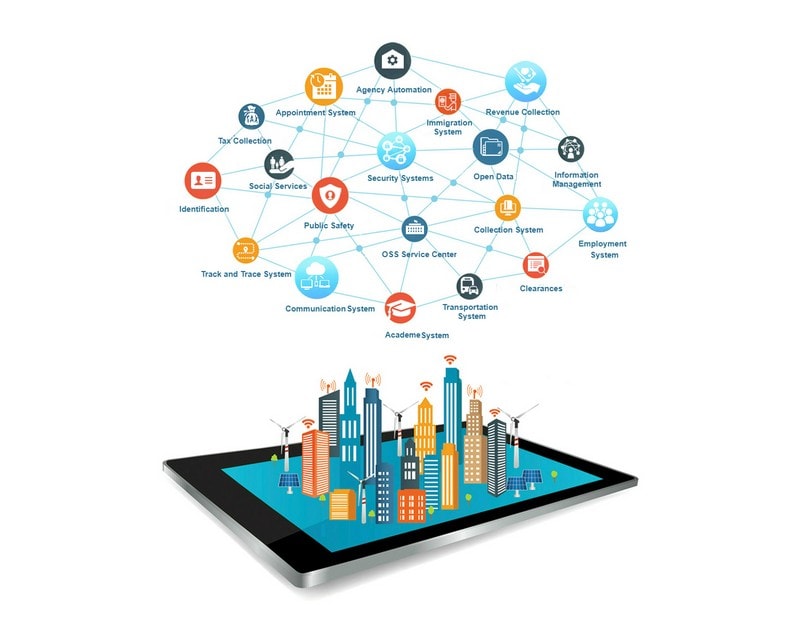
Ollie Arci, senior editor at an international risk consulting firm, said the ideal scenario would be for Vietnam to establish a seamless digital ecosystem linked to each individual's electronic identity and applicable across services such as taxation, banking, residence cards, licences and many other administrative procedures. Once these platforms are fully interconnected and operate in sync, foreigners will no longer need to repeatedly provide the same information or maintain both paper-based and electronic records in parallel, he said.
Digital shield protecting foreigners applying for e-visas
The expansion of e-visa programme marks a major step forward in the digitalisation of immigration procedures. (Photo: VNA)
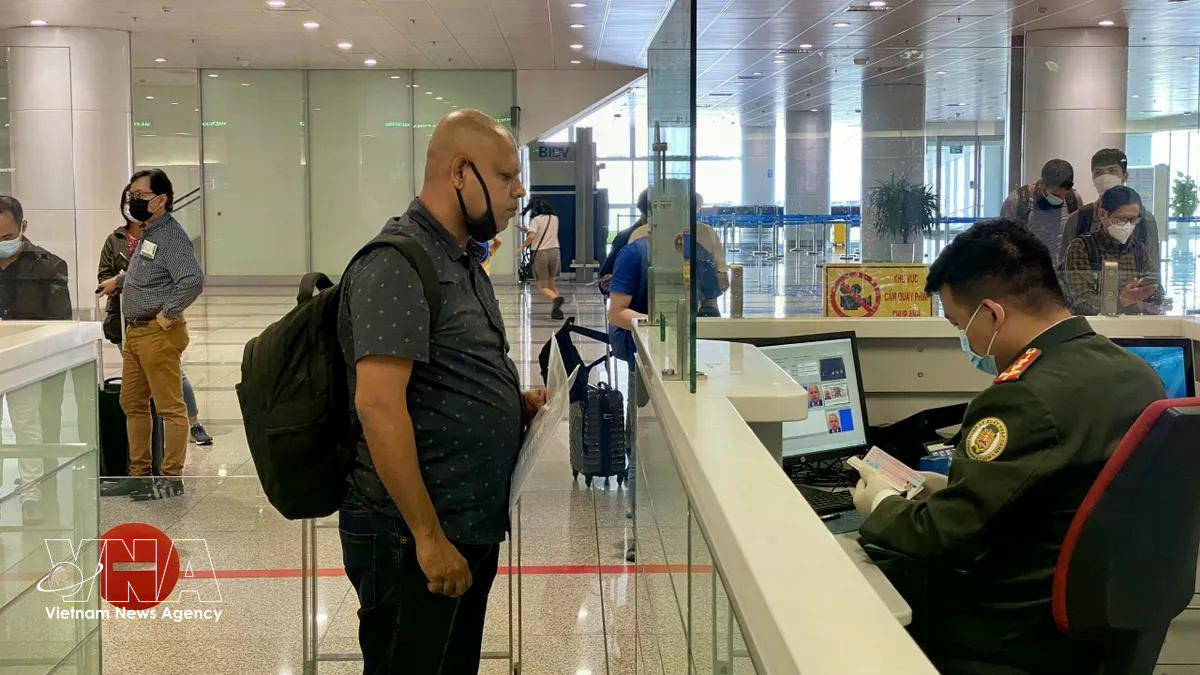
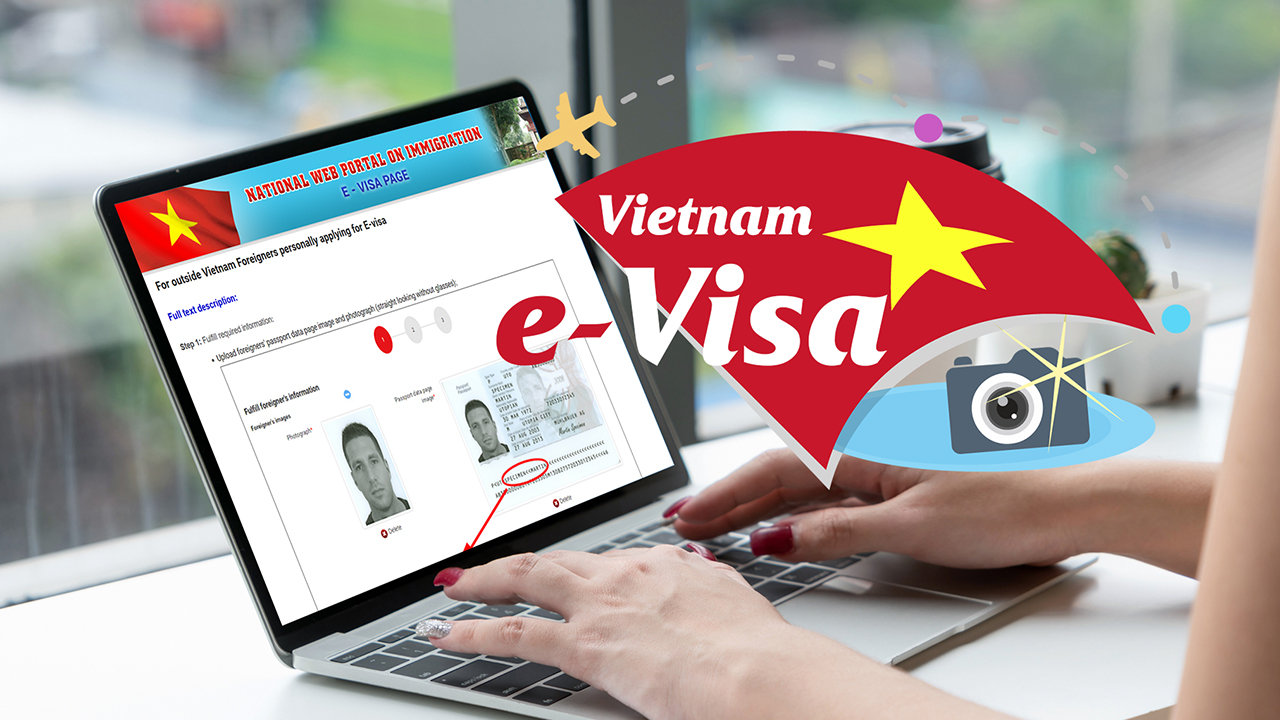
Even before arriving in Vietnam, foreigners can access digital services through the country's electronic visa (e-visa) system. Together with electronic identity accounts and online public services, the e-visa platform is helping complete a digital ecosystem that supports foreigners throughout their entry, residence and stay in Vietnam. .
The Vietnamese Government now grants e-visas to citizens of all countries and territories, allowing entry and exit through 83 international border gates, including 17 airports, 27 land border crossings and 39 seaports. Among them, Long Thanh International Airport and Gia Binh International Airport will apply the procedures once they become operational.
In 2025, the Immigration Management Department approved and issued more than four million e-visas for foreigners entering Vietnam, an increase of over 30% compared with 2024. In the first half of 2026, it granted nearly 2.5 million e-visas, up almost 30% year-on-year.
Csaba Bundik, Former Executive Director of EuroCham Vietnam, CEO of CETA Consulting
For tourists, the e-visa is probably the most visible improvement. It makes trip planning much easier, eliminates the need to visit embassies in person, and creates a positive first impression of Vietnam as an open and accessible destination.
Tang Zhen Zhong, Chinese tourist
The e-visa application process is relatively convenient. If foreigners submit applications by themselves, there is no need to go through an intermediary, and the procedures are processed quite quickly.
Nguyen Tien Nam, an officer of the Department of Cybersecurity and High-Tech Crime Prevention and Control (A05) under the Ministry of Public Security, pointed out that fraudsters often create websites that closely resemble official portals, use confusingly similar domain names or promote fake websites through online advertisements to trick users into providing personal information and payment details. Authorities therefore advise foreigners to complete e-visa procedures only through official government portals using the .gov.vn domain.
Director of the Immigration Department Lieutenant General Pham Dang Khoa said Vietnam's official e-visa websites (https://evisa.gov.vn and https://thithucdientu.gov.vn) are protected by certified cybersecurity systems and internationally recognised digital certificates. Foreigners should ensure they access the correct websites to avoid fraudulent portals that may charge unauthorised fees.
Director of the Immigration Department Lieutenant General Pham Dang Khoa
Vietnam's official e-visa websites (https://evisa.gov.vn and https://thithucdientu.gov.vn) are protected by certified cybersecurity systems and internationally recognised digital certificates. Foreigners should ensure they access the correct websites to avoid fraudulent portals that may charge unauthorised fees.
Nguyen Tien Nam, an officer of the Department of Cybersecurity and High-Tech Crime Prevention and Control (A05)
Users are advised to access only official government portals with the ".gov.vn" domain, exercise caution when providing personal information or conducting online transactions, and promptly report suspected fraud to the police for timely assistance.
Tang Zhen Zhong, Chinese tourist
Typically, I check the website's domain suffix. If it ends in ".vn" or contains "gov", I tend to consider it more trustworthy.
Alongside efforts to strengthen cybersecurity, the Immigration Management Department is stepping up biometric technology and piloting the rapid collection of passenger information before departure to facilitate immigration procedures for and management of foreign nationals.
“
The Immigration Department has built an immigration operations command centre that applies AI and big data technologies. The system will consolidate data on all foreign nationals involved in immigration activities, enabling the creation of individual digital profiles and automatically identifying cases that may pose potential risks to national security and public order.
Director of the Immigration Department Lieutenant General Pham Dang Khoa
The experiences of citizens, businesses and foreign residents demonstrate that Vietnam's digital transformation is steadily becoming embedded in public administration and service delivery. These developments reflect the spirit of Resolution No. 57, which places users at the centre of reform while modernising the operation of the state apparatus.
Korean investor Kim Ji Eun observed that administrative reform can only succeed when policy, people and technology move forward together. Foreign investors are not seeking special privileges; they are seeking clarity, consistency and predictability./.