RESOLUTION NO. 10 HELPS UPGRADE FDI QUALITY TO STRENGTHEN NATIONAL SELF-RELIANCE
LongForm - Ngày đăng : 09:19, 21/07/2026
LongForm
RESOLUTION NO. 10 HELPS UPGRADE FDI QUALITY TO STRENGTHEN NATIONAL SELF-RELIANCE
VNA•{Ngày xuất bản}
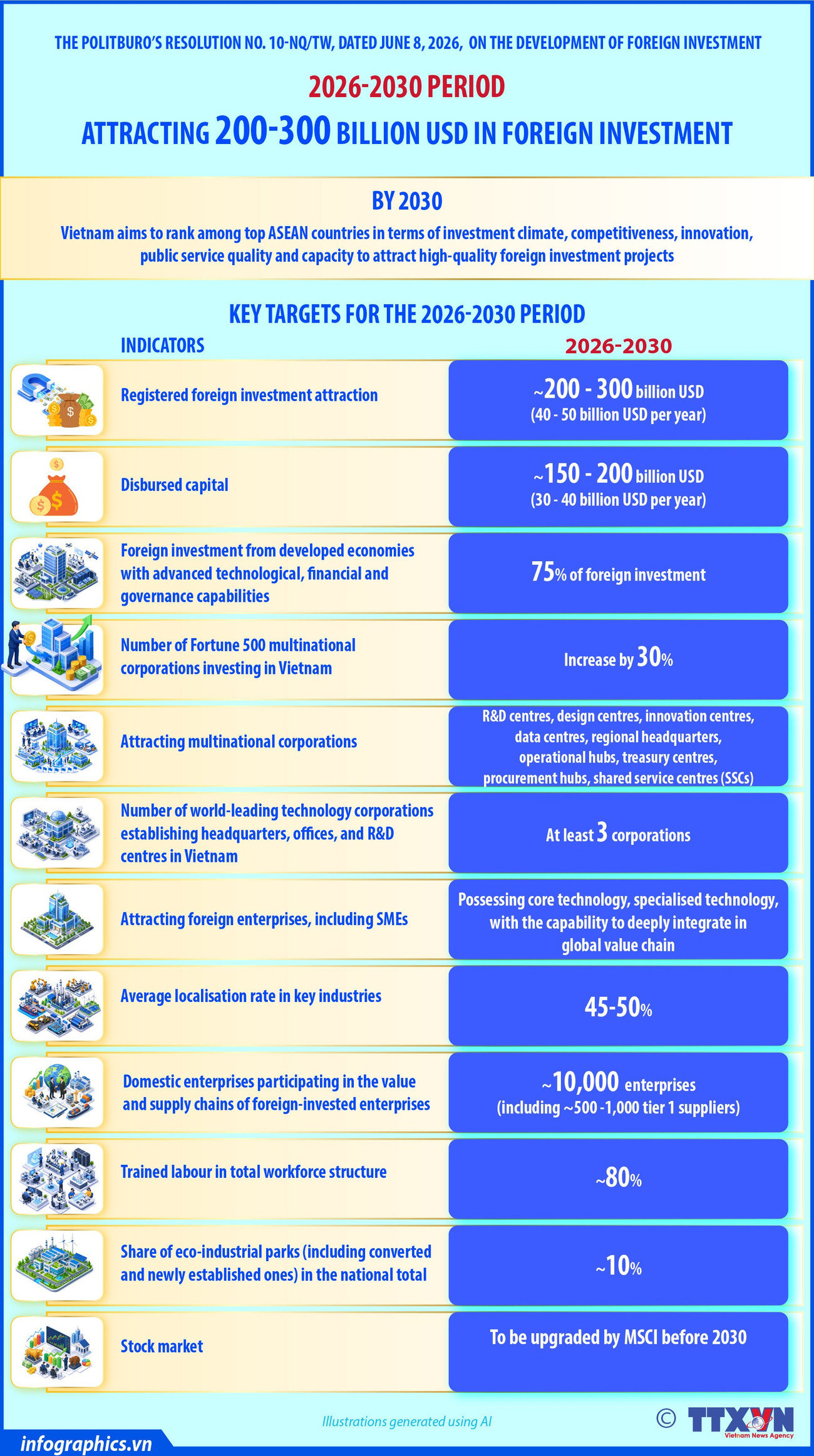
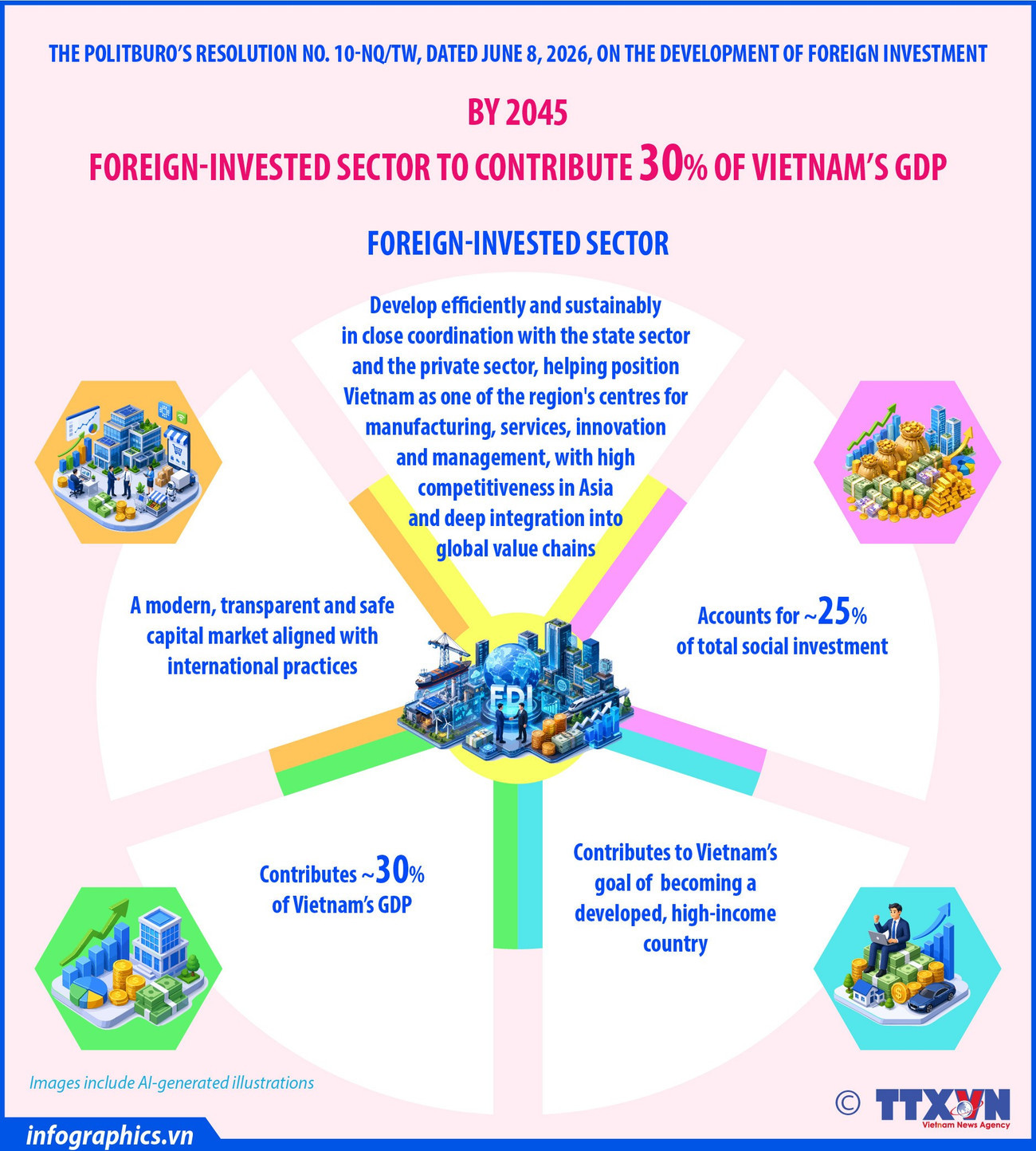
Resolution No. 10-NQ/TW, issued by the Politburo in 2026 on the development of the foreign-invested sector, identifies foreign direct investment (FDI) as “an important component of the national economy” and “a key driver of economic development and international integration.”
A key feature of the resolution is its call for a fundamental shift from a mindset focused primarily on attracting capital to one centred on developing a national strategic investment platform. Under the new approach, the quality and efficiency of FDI, technology transfer, participation in global supply chains and added value will become the principal criteria for attracting, managing and utilising foreign investment.
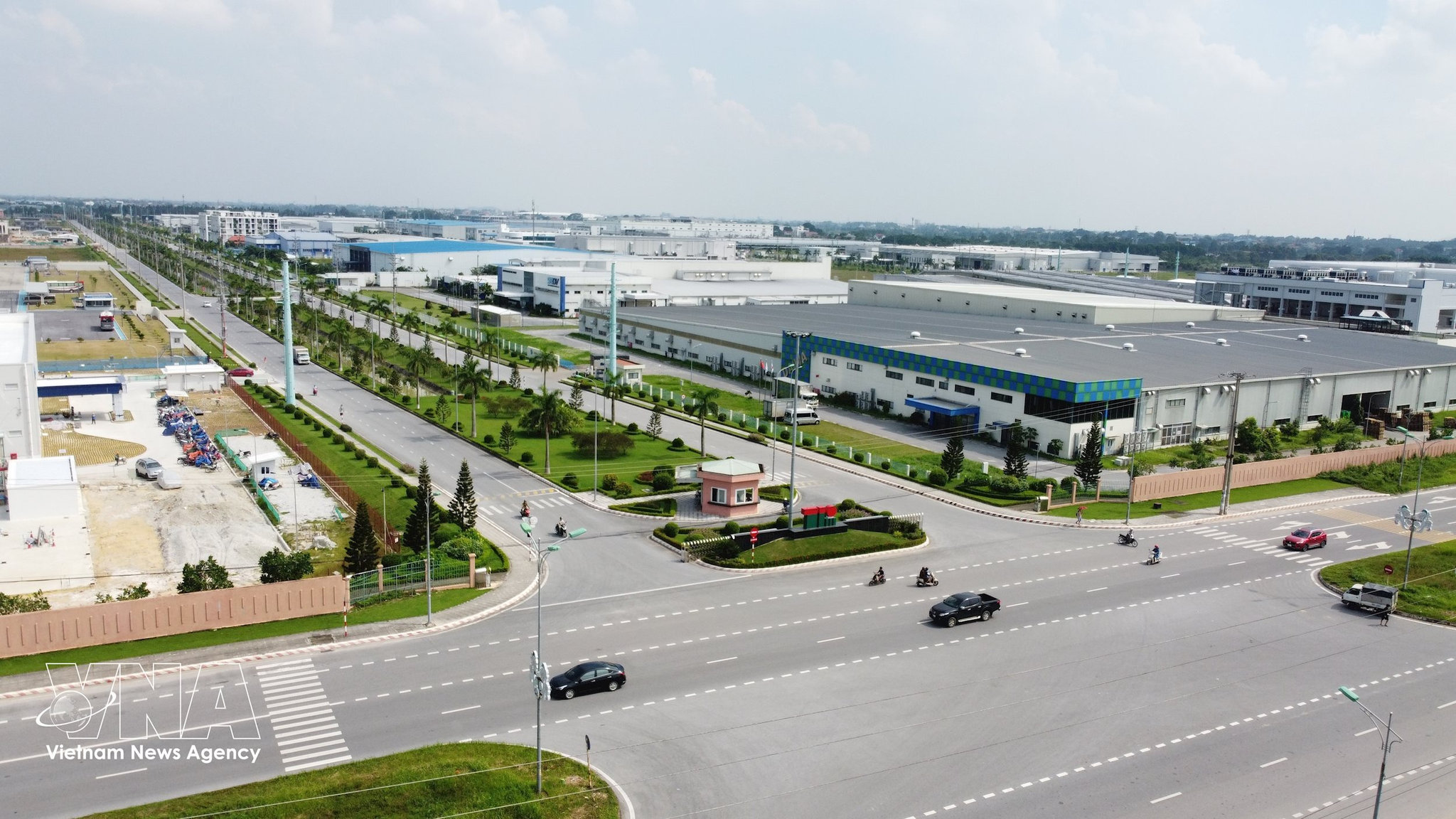
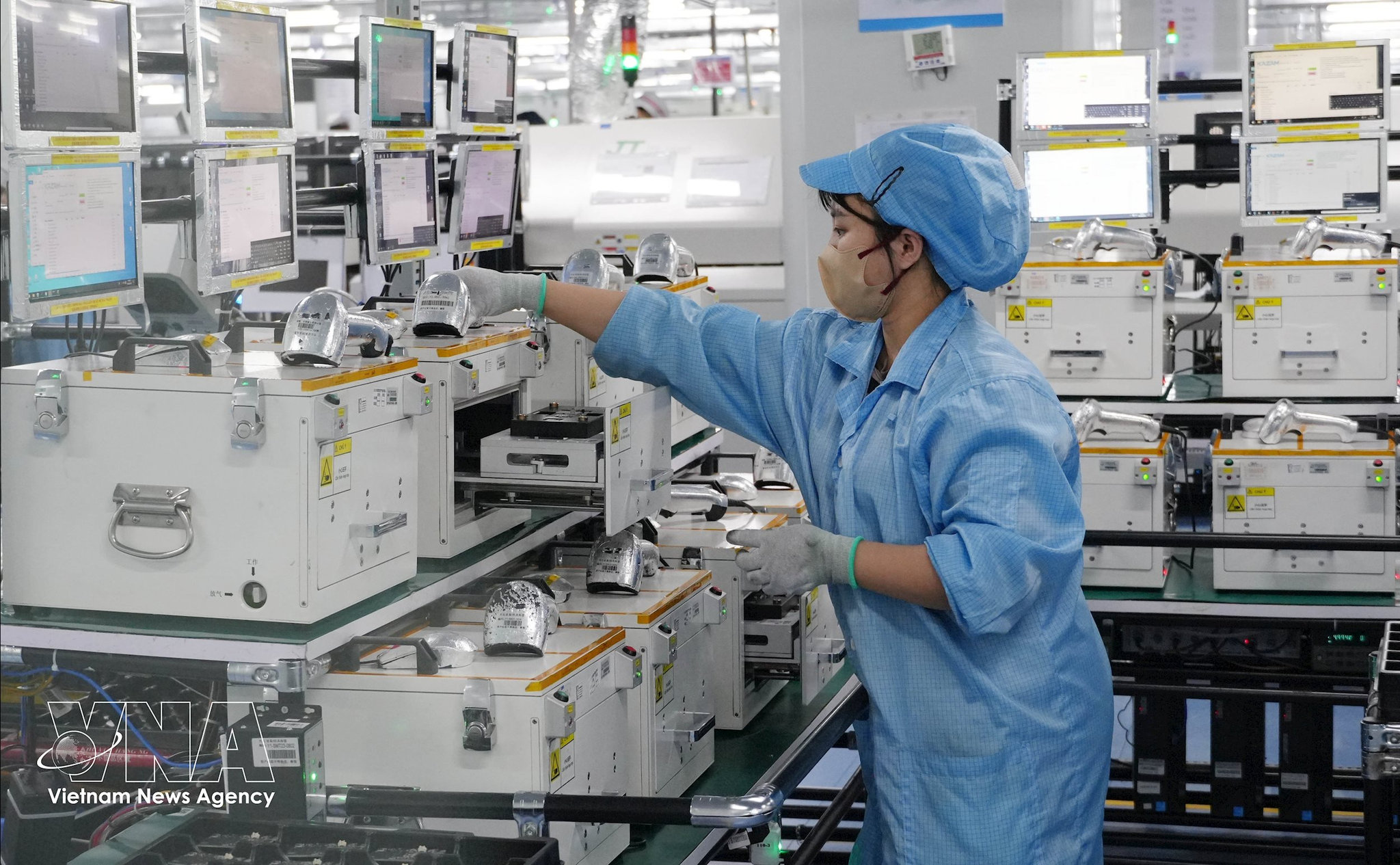
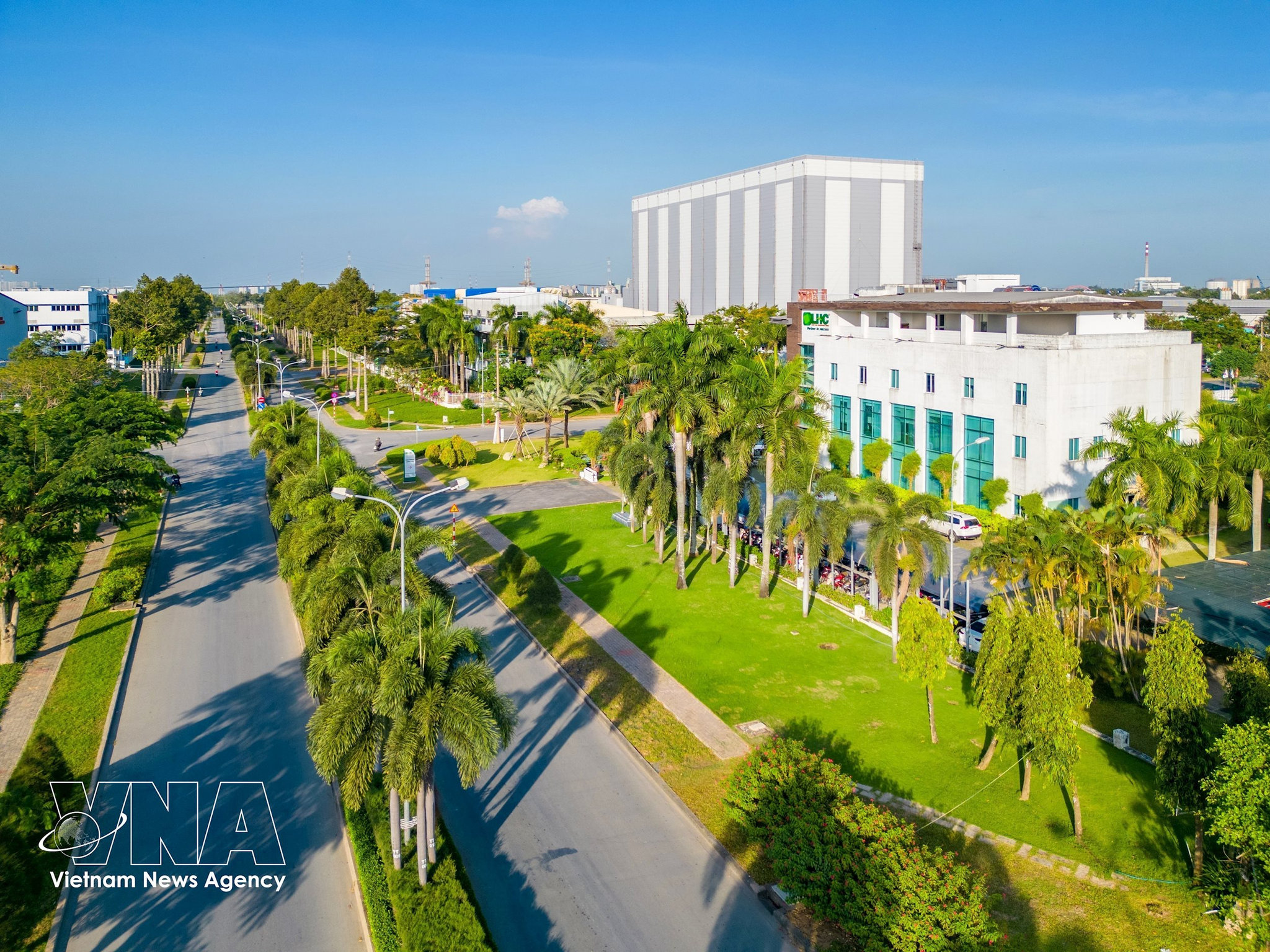
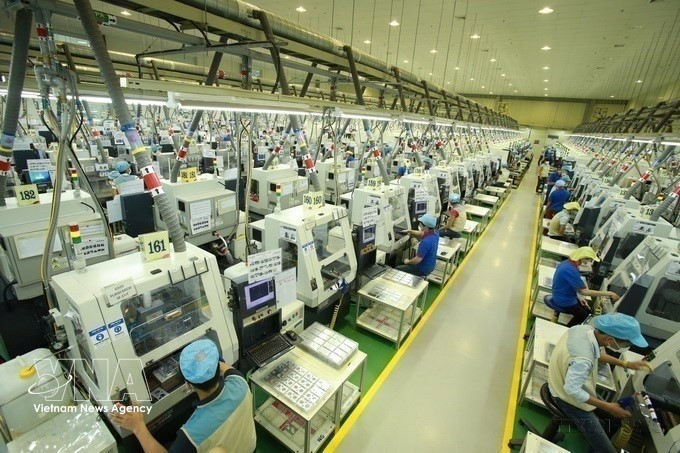
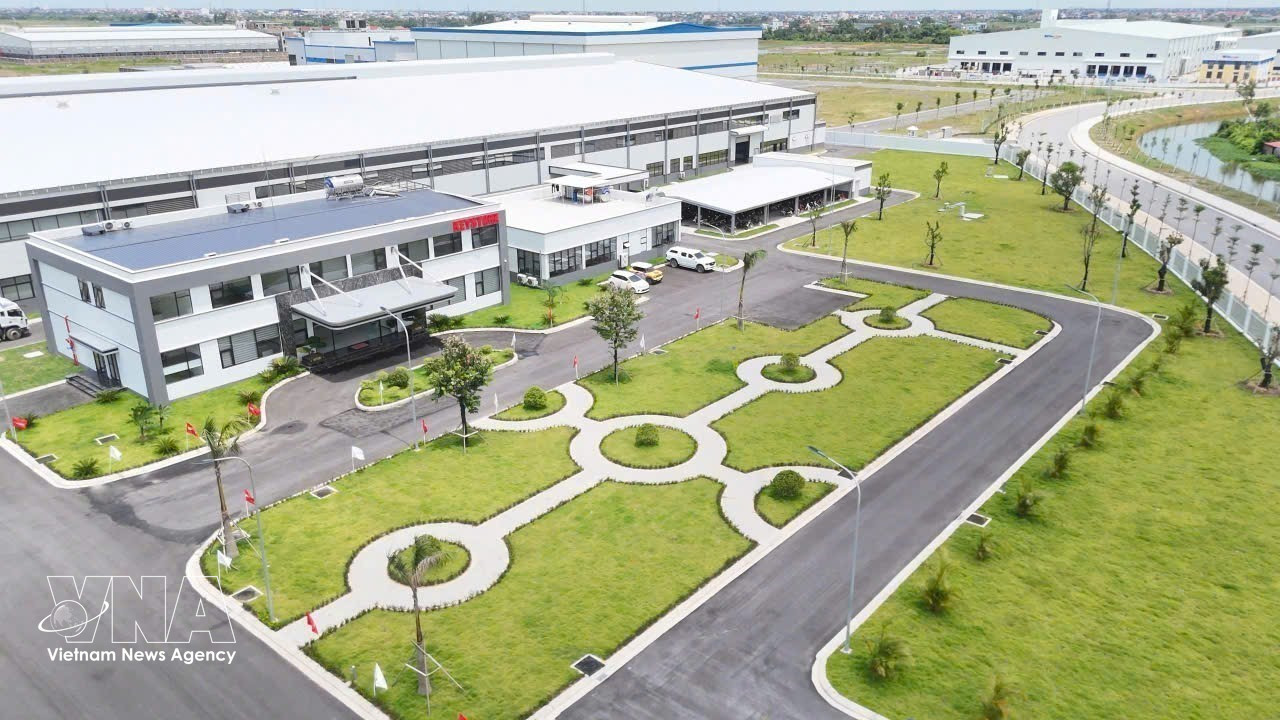
The foreign-invested sector has become a key driver of Vietnam's economic growth and international integration. (Photo: VNA)
Technology, green growth and self-reliance
According to Dr Pham Bich Ngoc, deputy head of the Division of Microeconomics and Enterprise Development at the Institute of Vietnam and World Economy under the Vietnam Academy of Social Sciences, Resolution No. 10 marks a significant shift in Vietnam’s development strategy for the foreign-invested sector. She noted that while FDI was traditionally viewed primarily as a source of capital for economic growth, the new development phase requires not only attracting more investment but also improving its quality, efficiency and spillover effects.
“
Resolution No. 10 marks a significant shift in Vietnam’s development strategy for the foreign-invested sector.
Dr Pham Bich Ngoc, deputy head of the Division of Microeconomics and Enterprise Development at the Institute of Vietnam and World Economy
The FDI sector has made substantial contributions to Vietnam’s economic growth, exports and job creation. However, longstanding challenges remain, particularly low localisation rates in several industries, weaker-than-expected linkages between foreign-invested and domestic enterprises, and limited technology transfer, she said.
From her research, Ngoc said Vietnam is facing a rare opportunity as the global relocation of investment continues to gather pace. However, simply attracting more investment projects will not be enough to achieve a breakthrough. More importantly, the economy must maximise what it can learn, absorb and upgrade through the FDI sector. This, she said, represents the fundamental difference between the capital-attraction strategy of the past and the development-oriented approach required today.
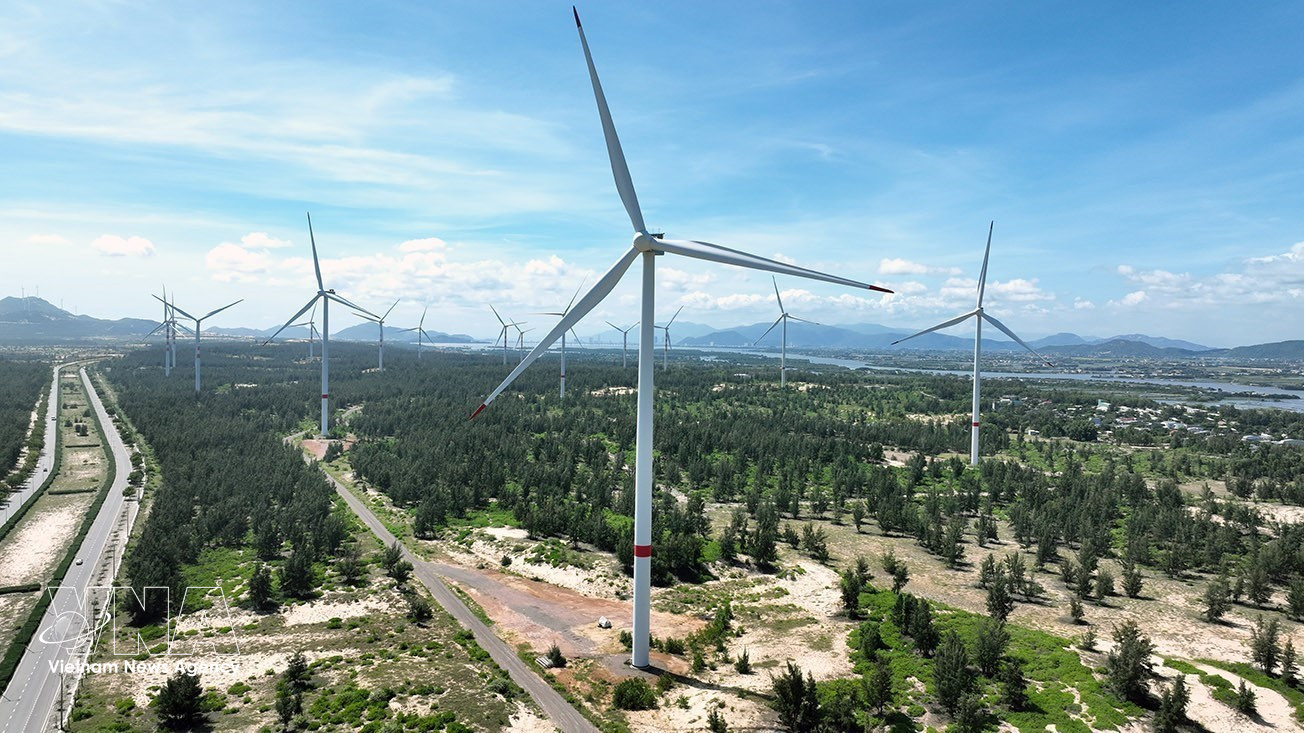
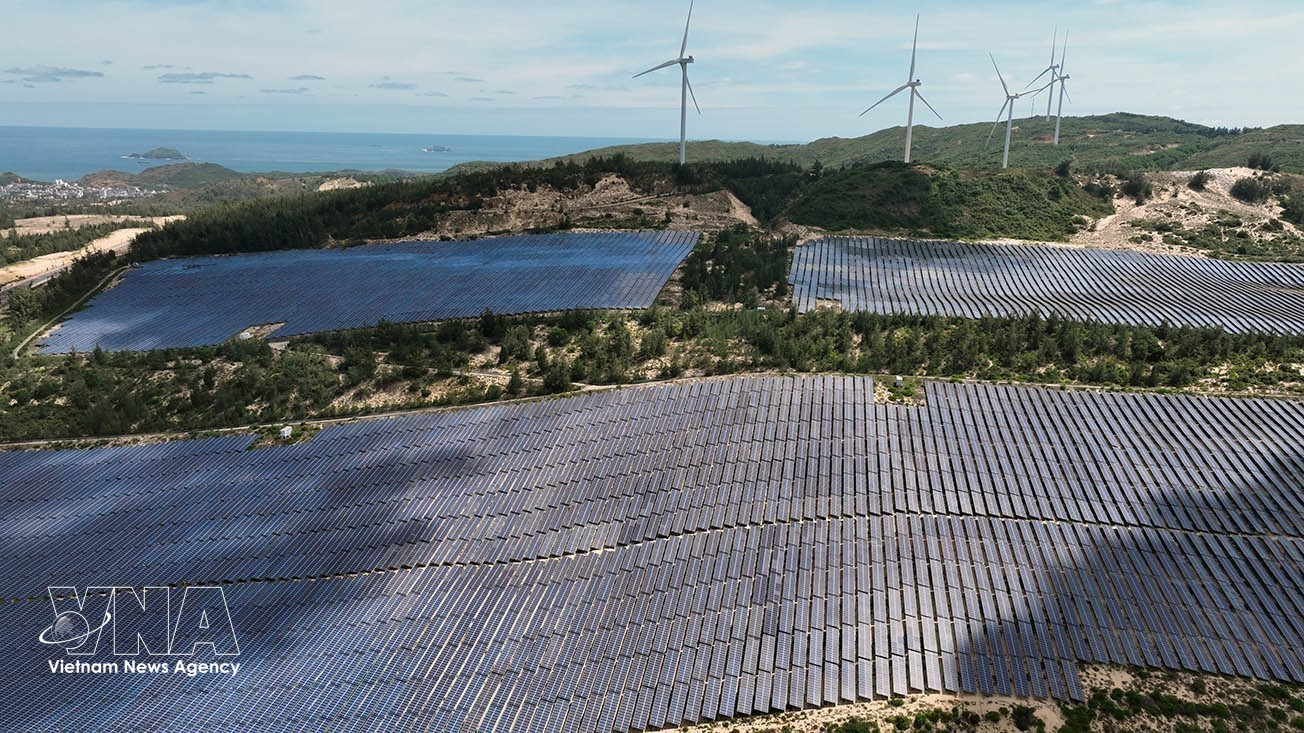
She particularly welcomed the resolution's emphasis on technology, green development and self-reliance as the core pillars of the new FDI strategy. In her view, this reflects not only an adjustment in investment attraction policies but also a broader shift in Vietnam's growth model. As global competition increasingly revolves around technological innovation, digital transformation, artificial intelligence (AI) and the green economy, Vietnam can no longer rely primarily on low labour costs or land incentives to remain competitive. Technological capability is becoming a decisive factor in integrating into global value chains and adapting to new development requirements. Therefore, the goal is not only to attract more foreign investors but also to leverage FDI to strengthen domestic technological capacity, foster innovation and enhance the competitiveness of Vietnamese enterprises.
cong-nghiep-xanh (1)
According to Ngoc, the most important message of Resolution No. 10 is not to attract more FDI, but to enable Vietnamese businesses to grow through cooperation with foreign-invested enterprises. The success of Vietnam's FDI policy should no longer be measured solely by registered capital or the number of investment projects, but also by the number of domestic firms that become suppliers, technology and innovation partners of global corporations, thereby building an economy with stronger learning and innovation capabilities.
She also noted that one of the shortcomings highlighted by the resolution is the still-limited linkage between FDI enterprises and domestic ones. The main obstacle, she said, is not a lack of willingness among foreign-invested companies to cooperate, but rather the capability gap between the two sectors and the absence of effective mechanisms to facilitate stronger business connections.
Ngoc said another important innovation of this resolution is its placing of domestic enterprises at the centre of the FDI development strategy. Under this approach, the effectiveness of FDI policy will be measured not only by the scale of investment capital or the number of projects, but also by how many Vietnamese firms become more deeply integrated into global value chains.
Enhancing domestic capacity through foreign investment
Dr Chu Van Lam, Vice President of the Vietnam Association of Economic Sciences under the Vietnam Union of Science and Technology Associations, said that after nearly four decades of attracting foreign investment, Vietnam's greatest achievement has been the mobilisation of an important source of capital to drive economic growth, expand production and deepen international integration. However, he noted that under the new development context, the key question is no longer how much foreign capital Vietnam can attract, but how much value the economy can retain from those investments.
“
Looking back on nearly four decades of attracting foreign investment, Vietnam's greatest achievement has been the mobilisation of an important source of capital to drive economic growth, expand production and deepen international integration.
Dr Chu Van Lam, Vice President of the Vietnam Association of Economic Sciences
According to Lam, this is one of the most significant messages of Resolution No. 10. While previous policies focused primarily on supplementing resources for economic growth, the new strategy prioritises improving growth quality, strengthening national competitiveness and enhancing economic self-reliance.
From the perspective of international investment competition, Lam said Vietnam continues to enjoy significant advantages, including political stability, a favourable geoeconomic location, a highly open economy and an extensive network of free trade agreements. These strengths will help the country remain an attractive destination for foreign investors.
Nevertheless, he cautioned that competition for FDI has evolved. Multinational corporations now place greater emphasis on policy consistency, workforce quality, infrastructure, energy, logistics and the domestic market's capacity to meet their needs rather than investment incentives alone. Relying primarily on short-term incentives, he said, will make Vietnam find difficult to remain competitive in attracting next-generation investment.
Lam also welcomed the resolution's dedicated measures to develop the capital market, upgrade Vietnam's stock market status and build regional and international financial centres. He described these initiatives as an important step towards aligning Vietnam's financial market with international standards, improving corporate governance, enhancing market transparency and strengthening the country's capacity to mobilise resources for development./.
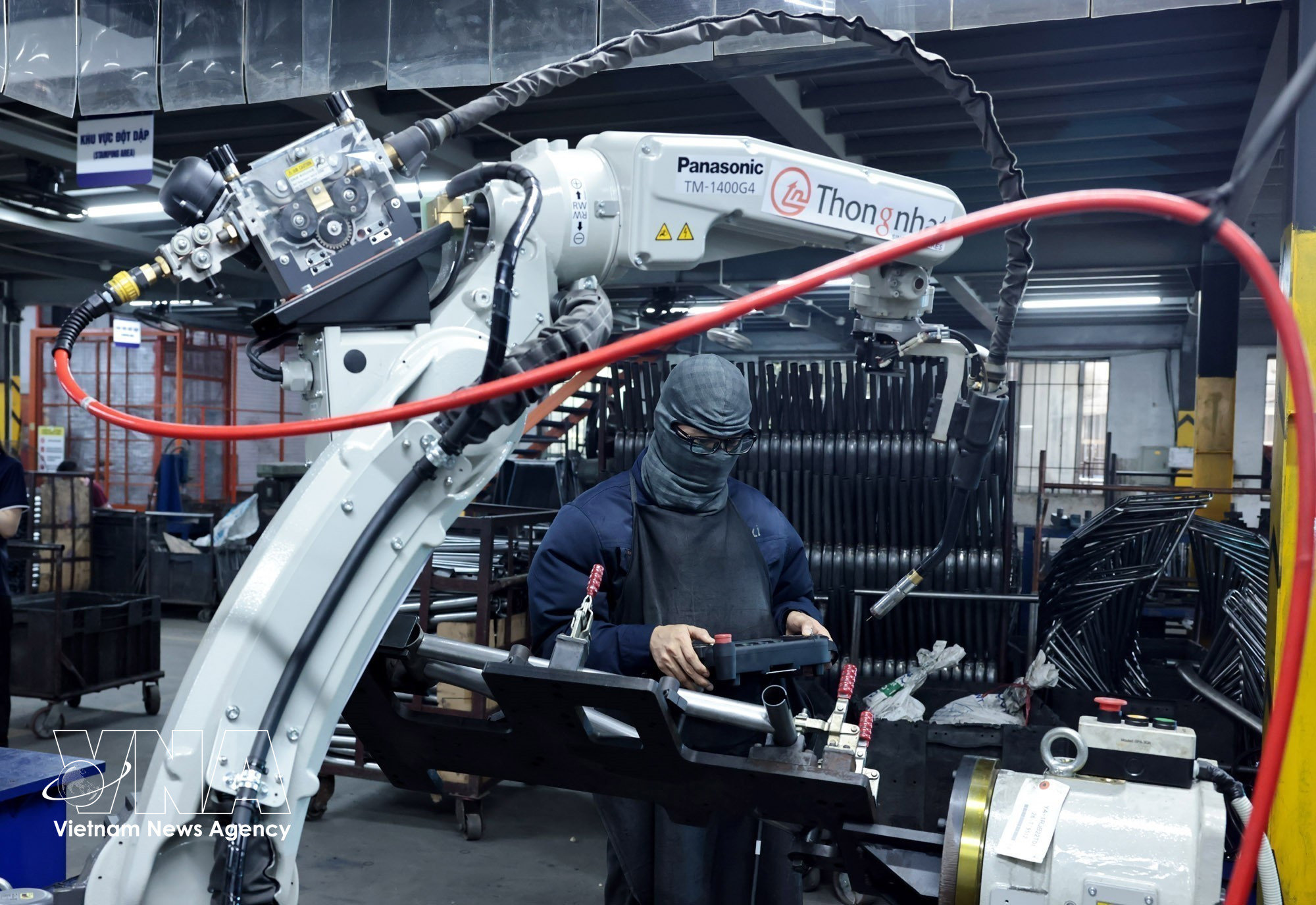
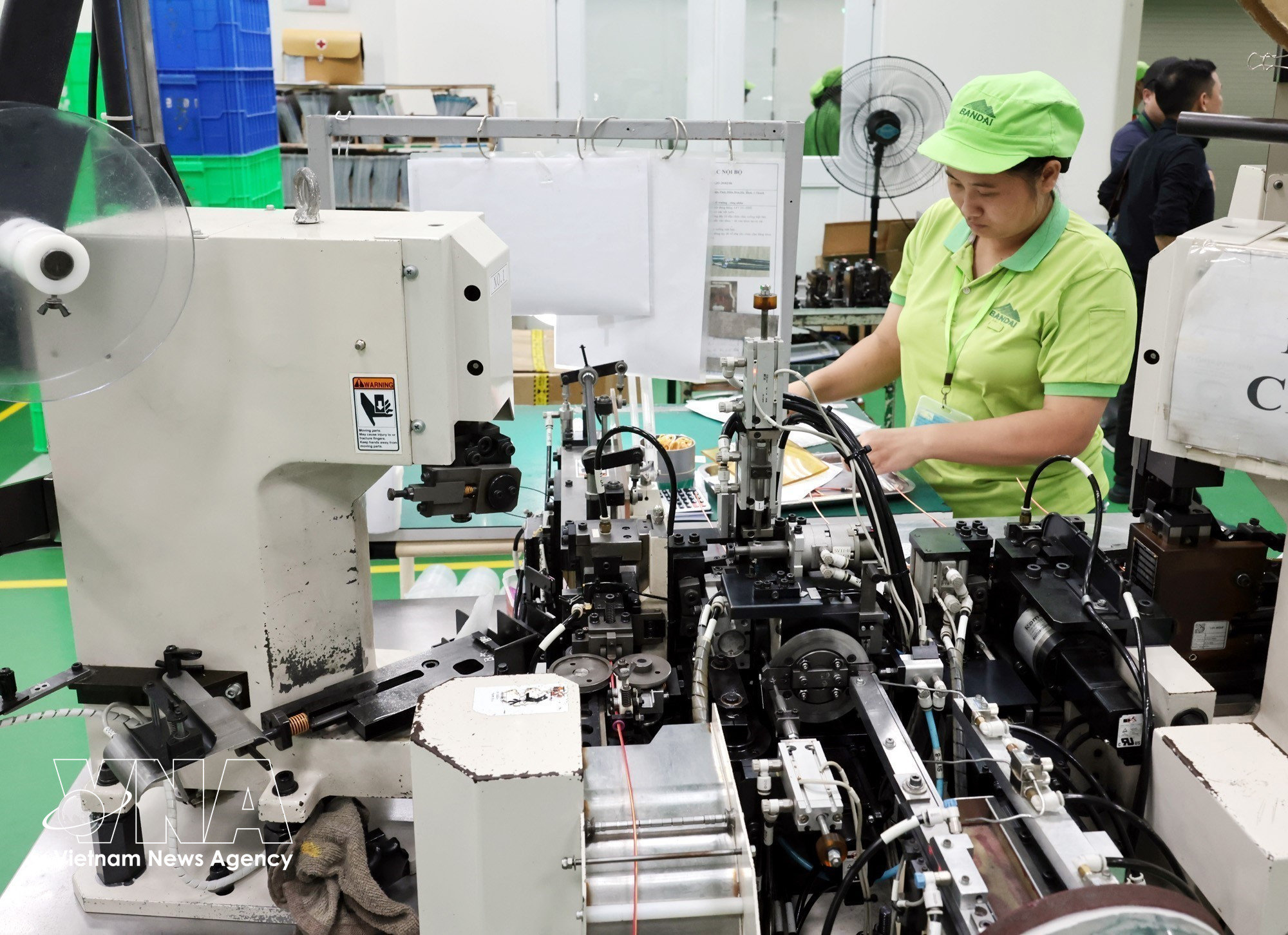
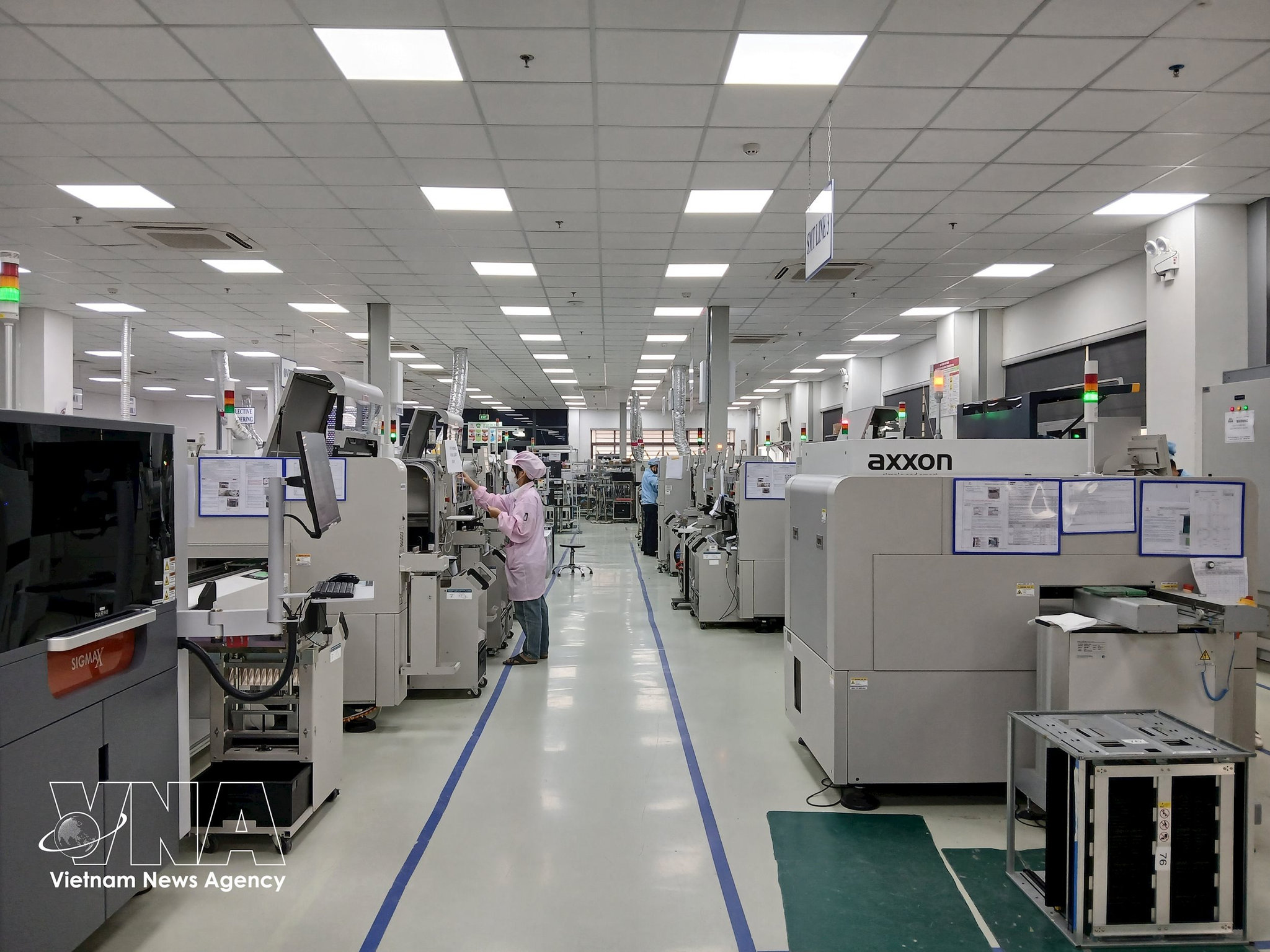
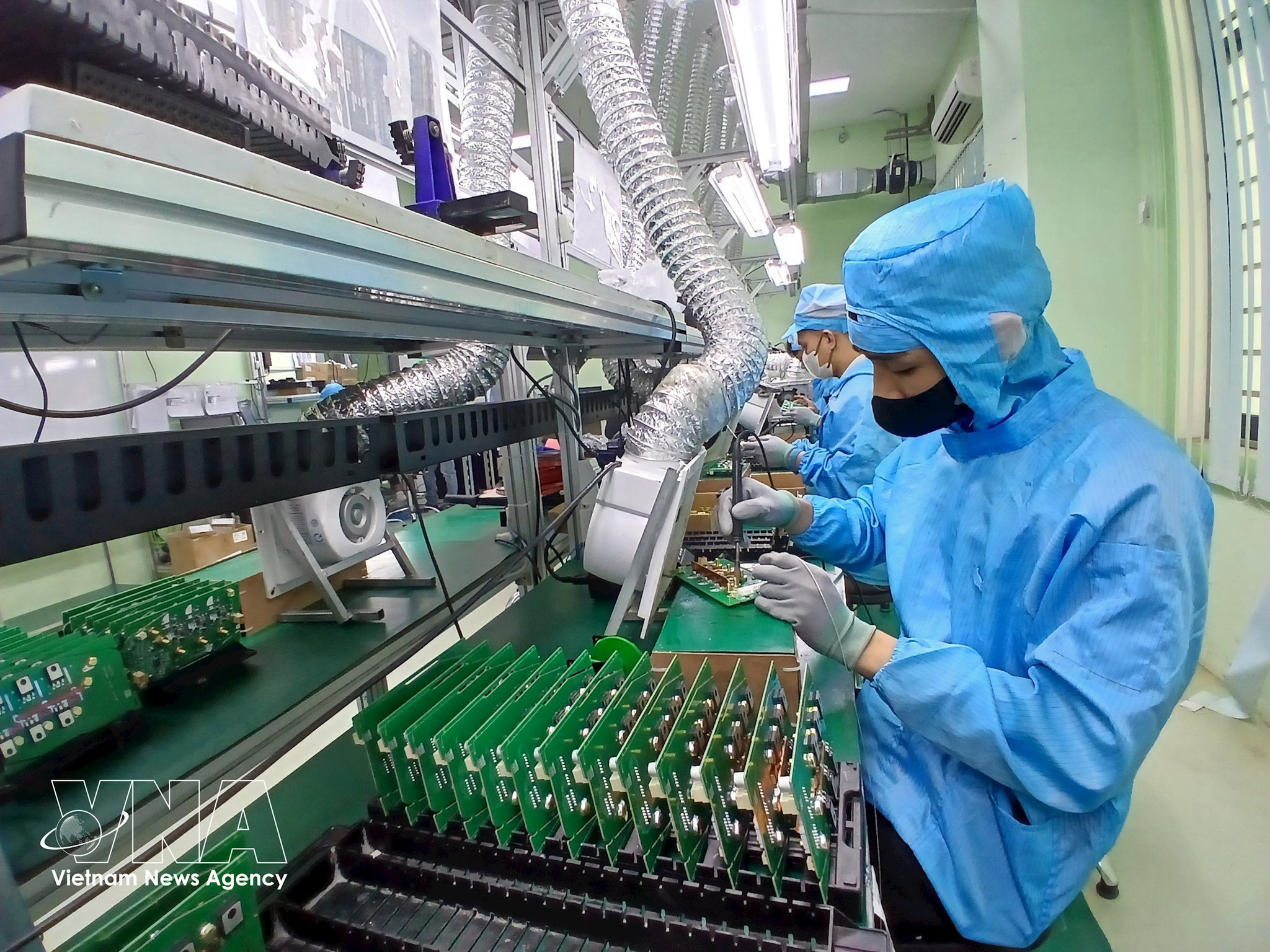
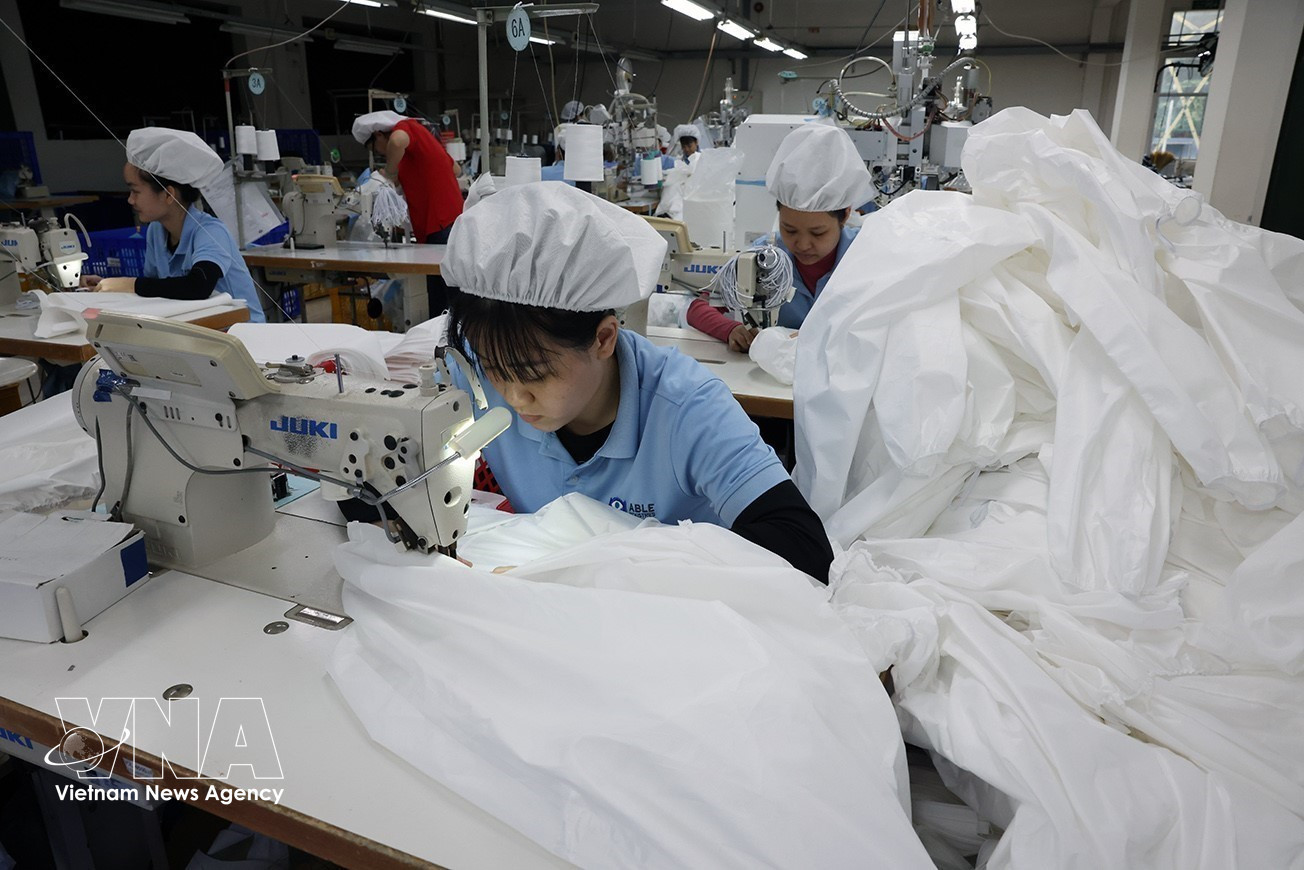
Foreign-invested enterprises have made significant contributions to Vietnam's socio-economic development, job creation and export growth. (Photo: VNA)