

GREEN AND IMMERSIVE: VIETNAM’S COMMUNITY TOURISM VILLAGES OFFER A SLOWER WAY TO TRAVEL
LongForm - Ngày đăng : 16:49, 09/07/2026
GREEN AND IMMERSIVE: VIETNAM’S COMMUNITY TOURISM VILLAGES OFFER A SLOWER WAY TO TRAVEL
.jpg)
In recent years, community-based tourism has emerged as an increasingly popular choice among travellers seeking closer connections with nature, deeper engagement with local cultures and more sustainable ways to explore. Rather than relying on large-scale developments, many tourism villages across Vietnam have built their appeal around existing strengths – natural landscapes, traditional crafts, indigenous architecture and the everyday cultural life of local communities.
The model not only creates distinctive visitor experiences but also enables local people to benefit directly from tourism, while contributing to cultural preservation and environmental protection. From the northern mountains to the central region and the cultural landscapes of the Central Highlands, each destination offers its own character and reflects the diversity of Vietnam’s landscapes and people.
Tan Hoa tourism village (Quang Tri)
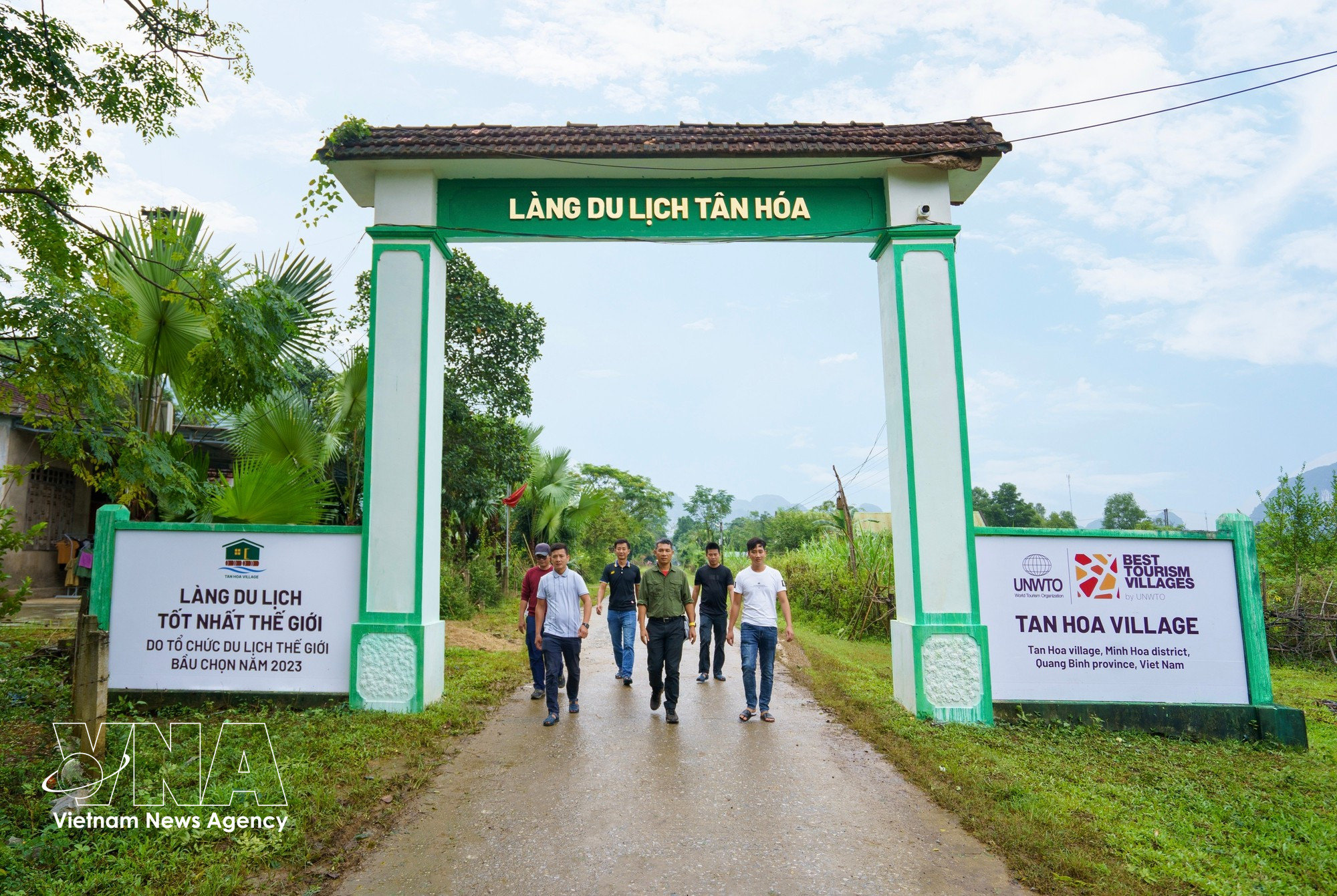
Tan Hoa has become one of Vietnam’s leading examples of community-based tourism. The village, recognised by UN Tourism as the Best Tourism Village 2023, is set among dramatic limestone mountains, broad valleys, and untouched grasslands.
The village has undergone a remarkable transformation through tourism. Once an area where poverty affected as many as 85% of households in 2010, Tan Hoa now provides stable employment for more than 100 local residents.
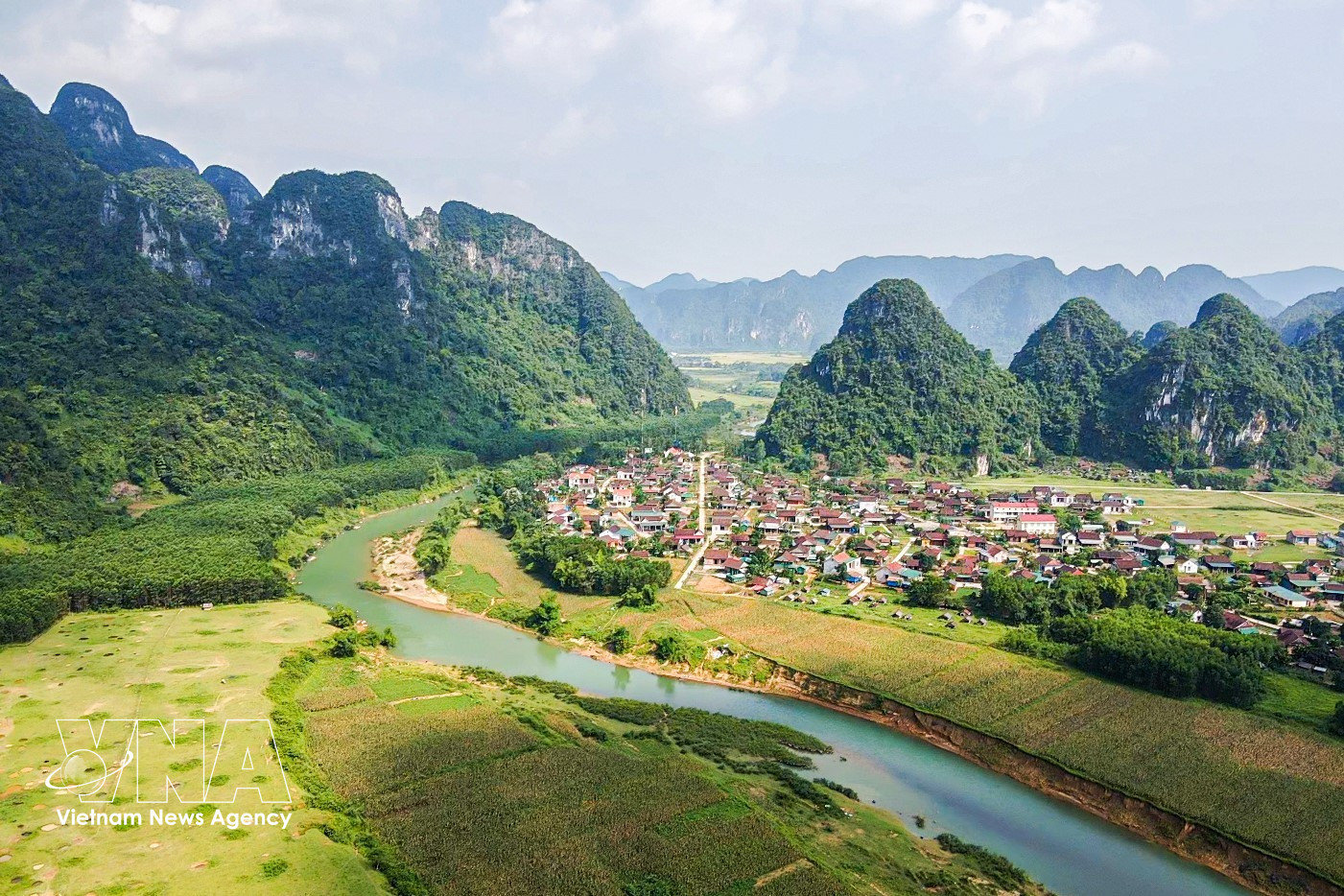
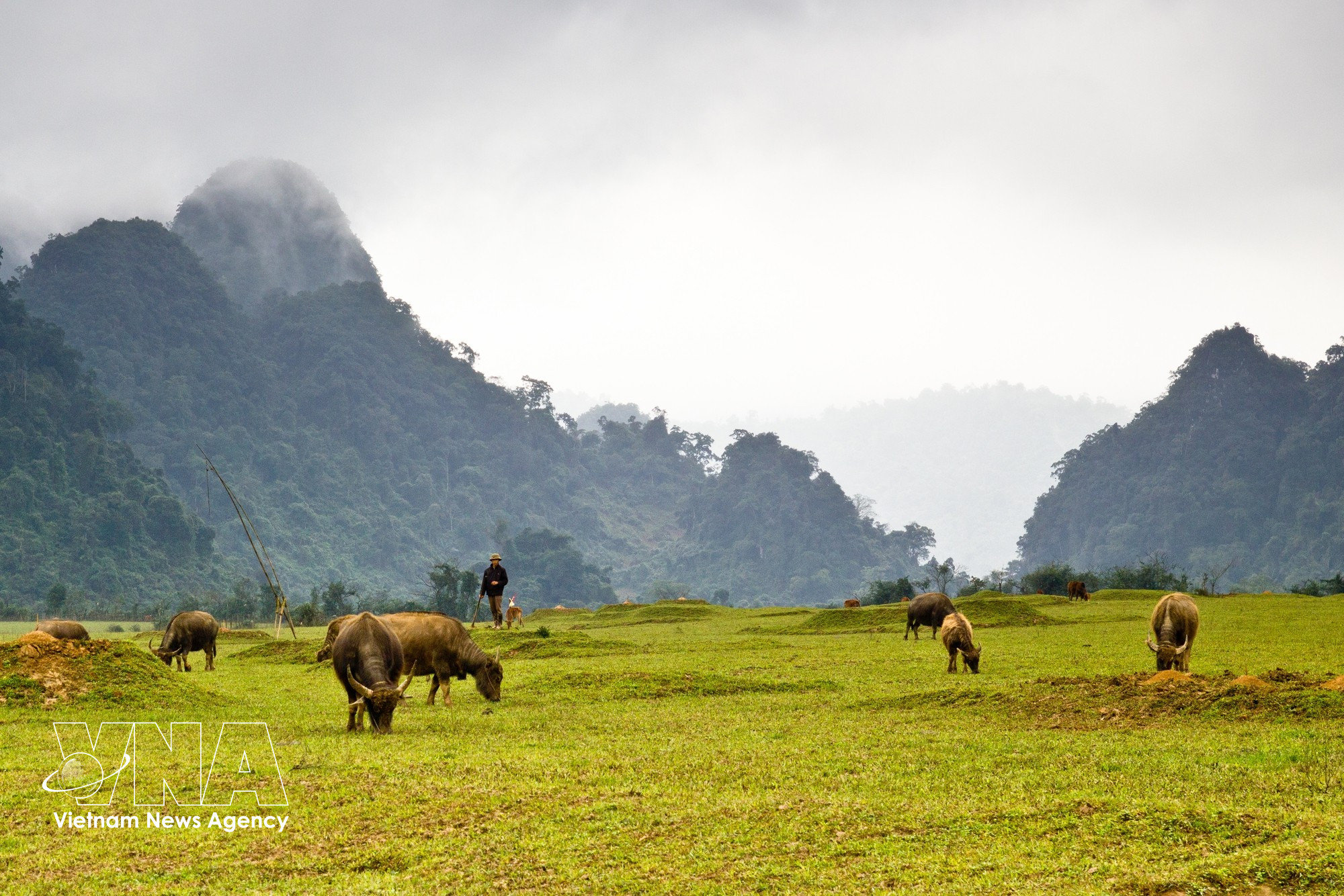

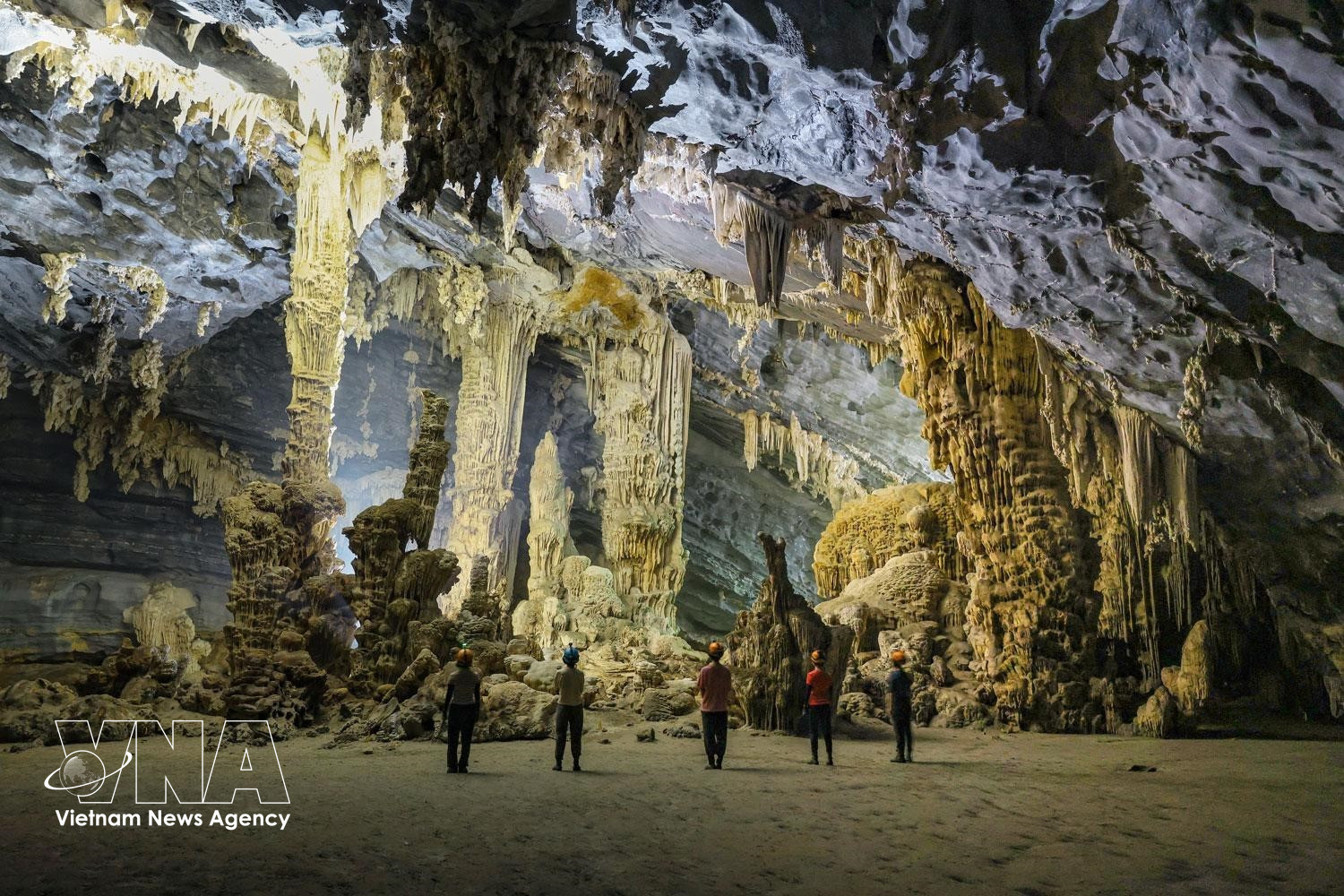
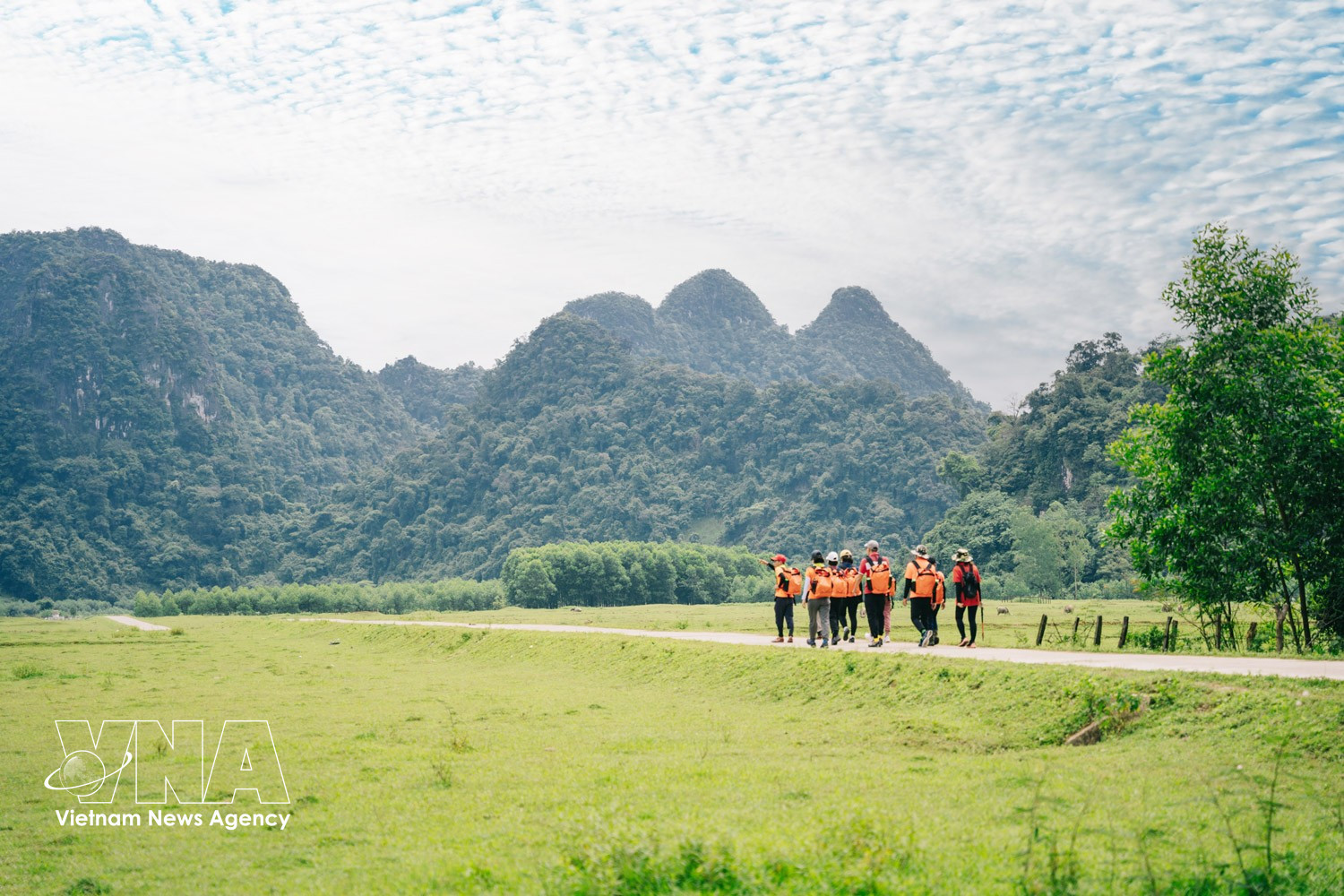
Visitors can choose from a wide range of experiences, including cave exploration, off-road adventures, cycling through the village, nature retreats, and home-hosted meals that offer insight into local life. The tranquil rural setting, framed by limestone peaks, creates a landscape unlike many others in Vietnam.
Tan Hoa is also recognised for its innovative floating-house model, designed to adapt to seasonal flooding and to demonstrate how communities can live sustainably amid challenging natural conditions. The destination now welcomes more than 10,000 visitors annually.
Sin Suoi Ho village (Lai Chau)
Located nearly 1,500 metres above sea level and around 30 kilometres from the centre of Lai Chau province, Sin Suoi Ho is known for its year-round cool climate and peaceful, well-preserved environment.
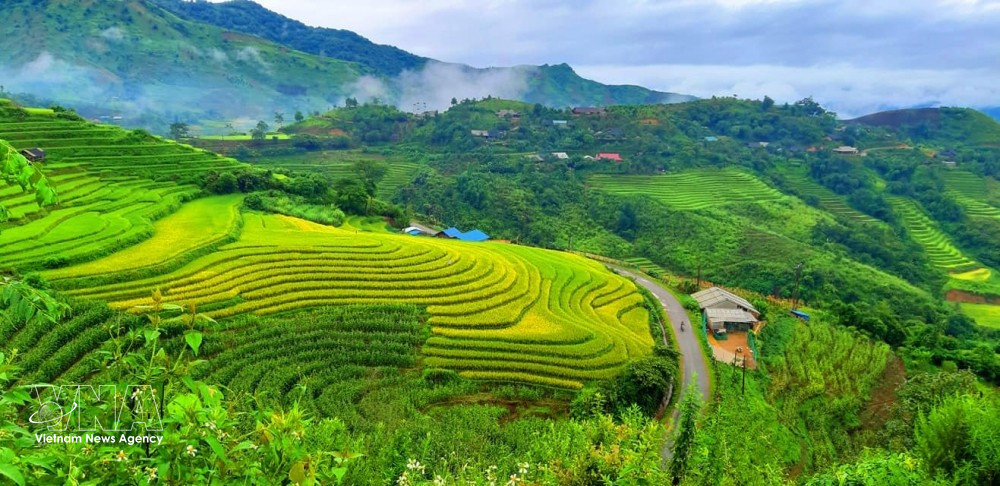
In 2023, the village received the ASEAN Community-Based Tourism Award. Home to the Mong ethnic community, Sin Suoi Ho has built a reputation for maintaining clean public spaces and a carefully preserved natural setting, with village paths lined with flowers and greenery.
More than 20 households currently participate in community tourism through homestays and environmentally conscious cafés. Alongside opportunities to experience local daily life, visitors can join trekking routes to peaks such as Bach Moc Luong Tu and Ta Lien, or visit the nearby Trai Tim (Heart) waterfall.
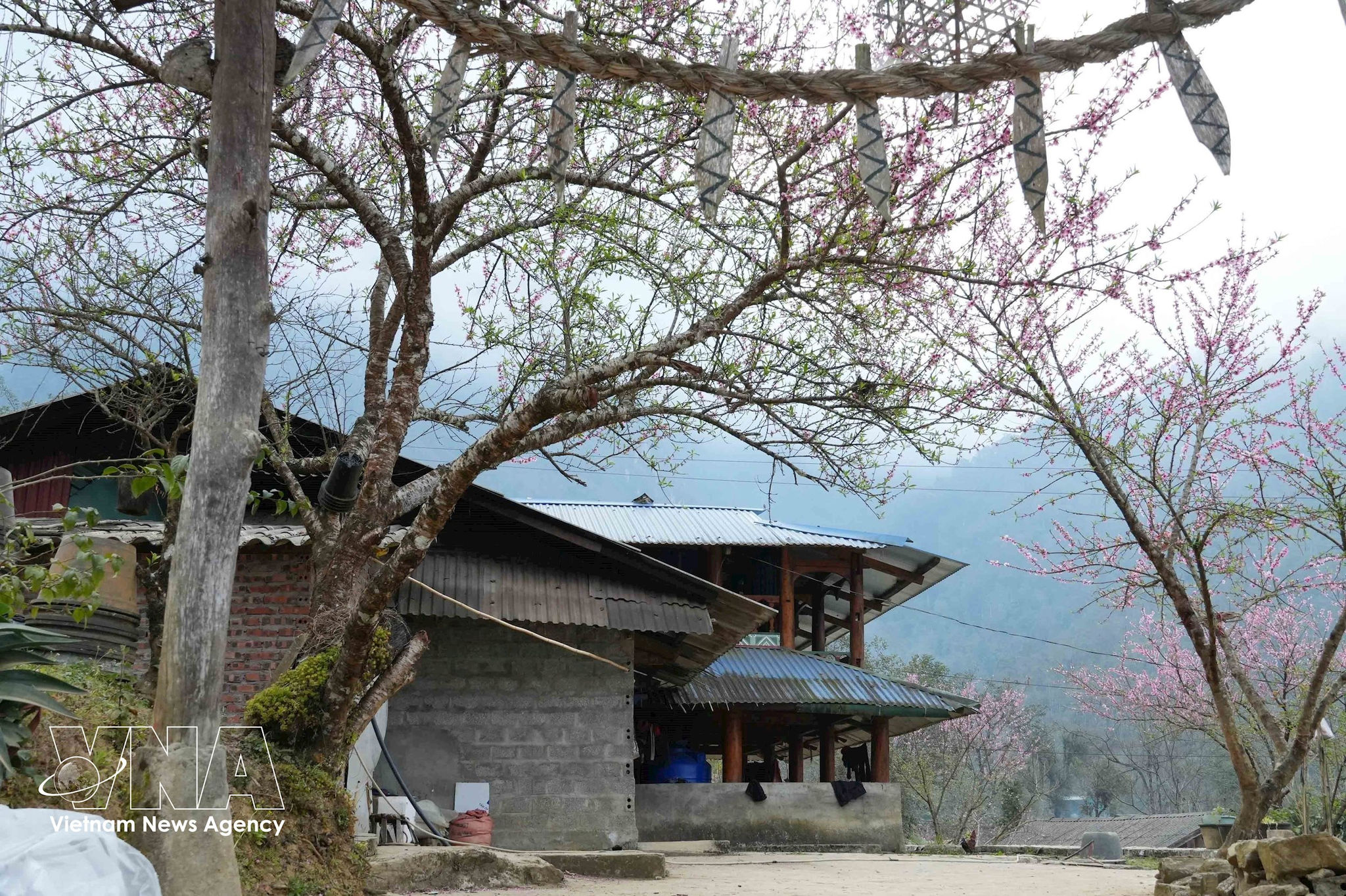
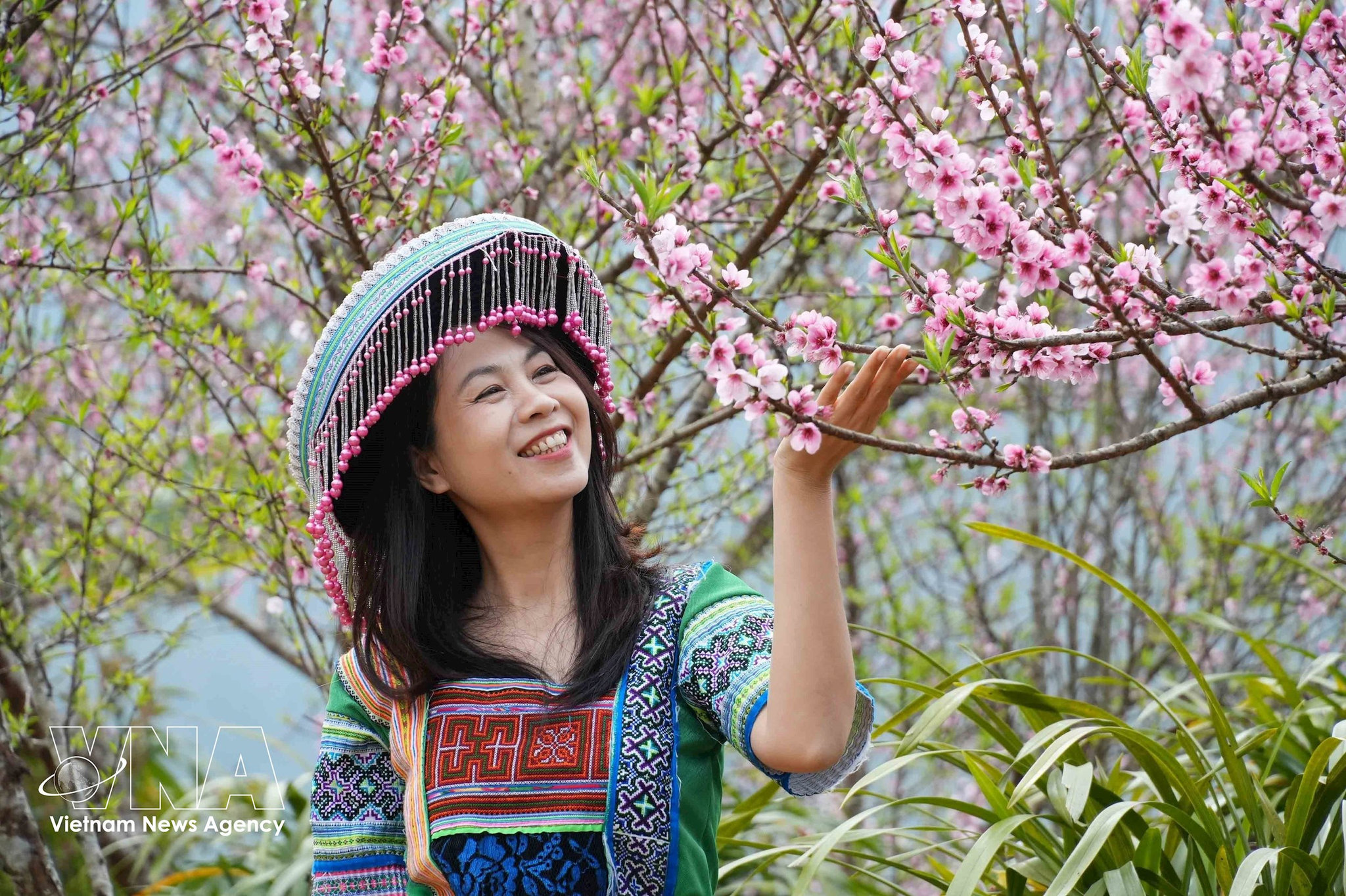
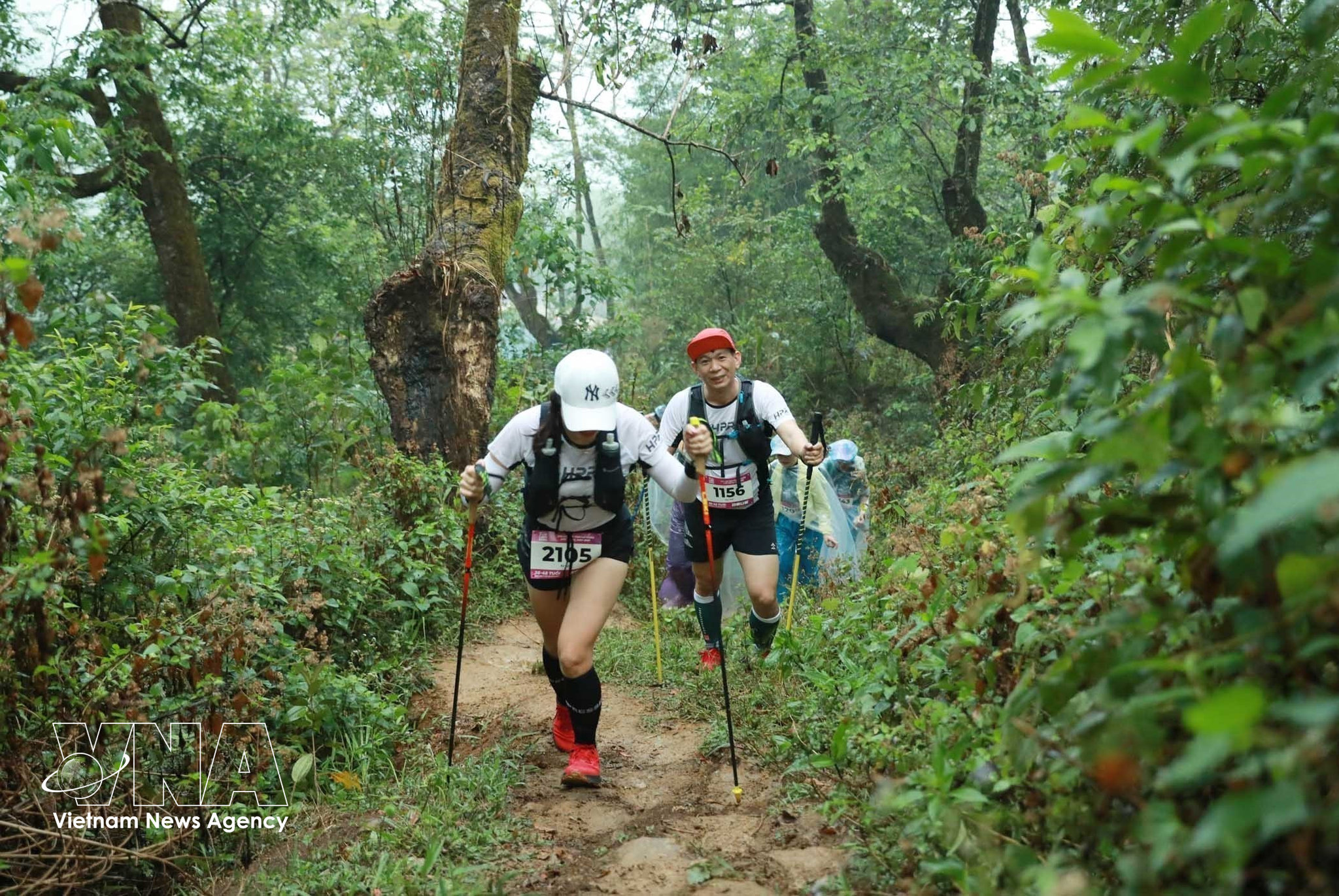
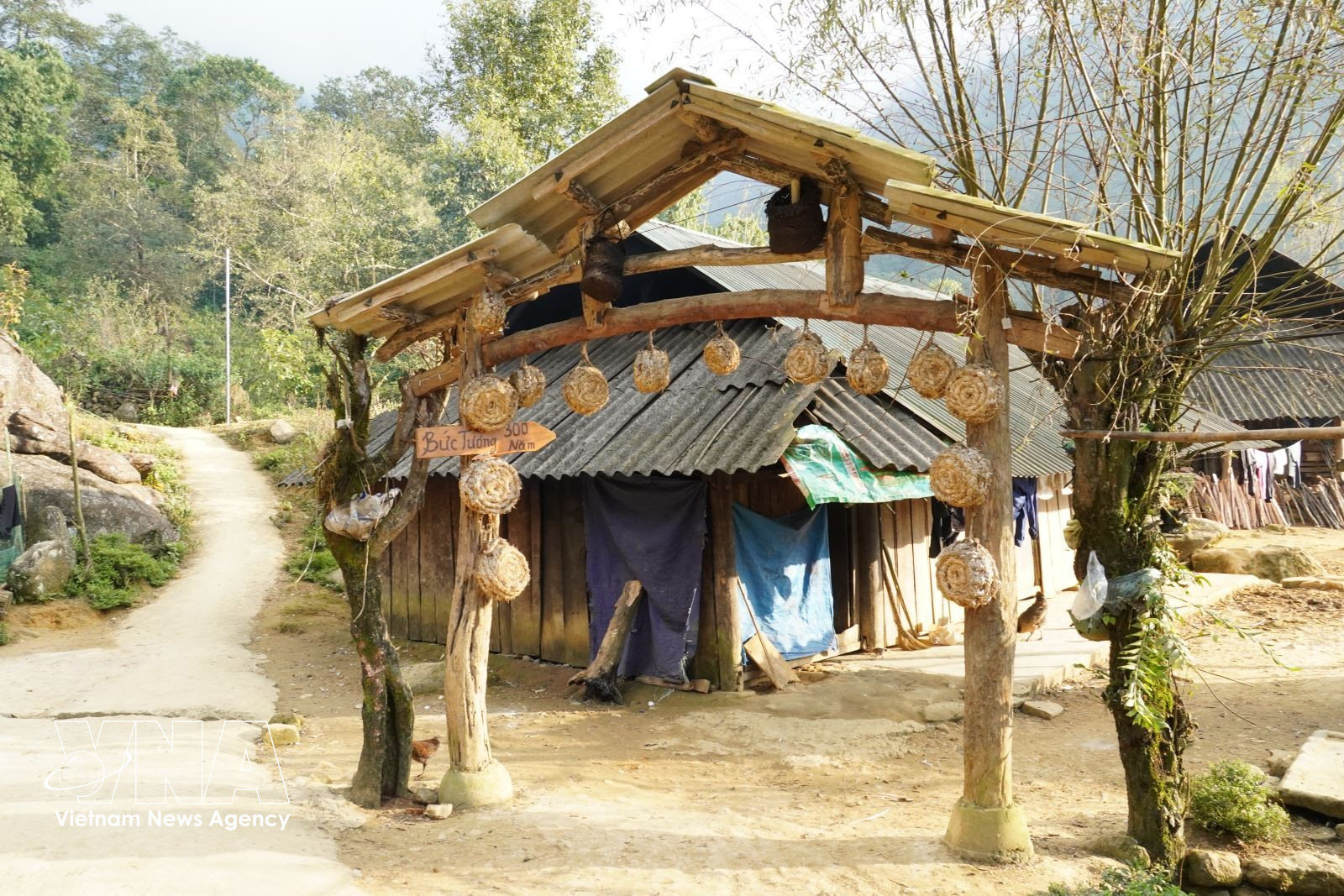
Traditional livelihoods remain central to village life, including brocade weaving, agricultural processing and the use of forest-based herbal knowledge, creating a distinctive highland cultural identity.
Tra Que vegetable village (Da Nang)
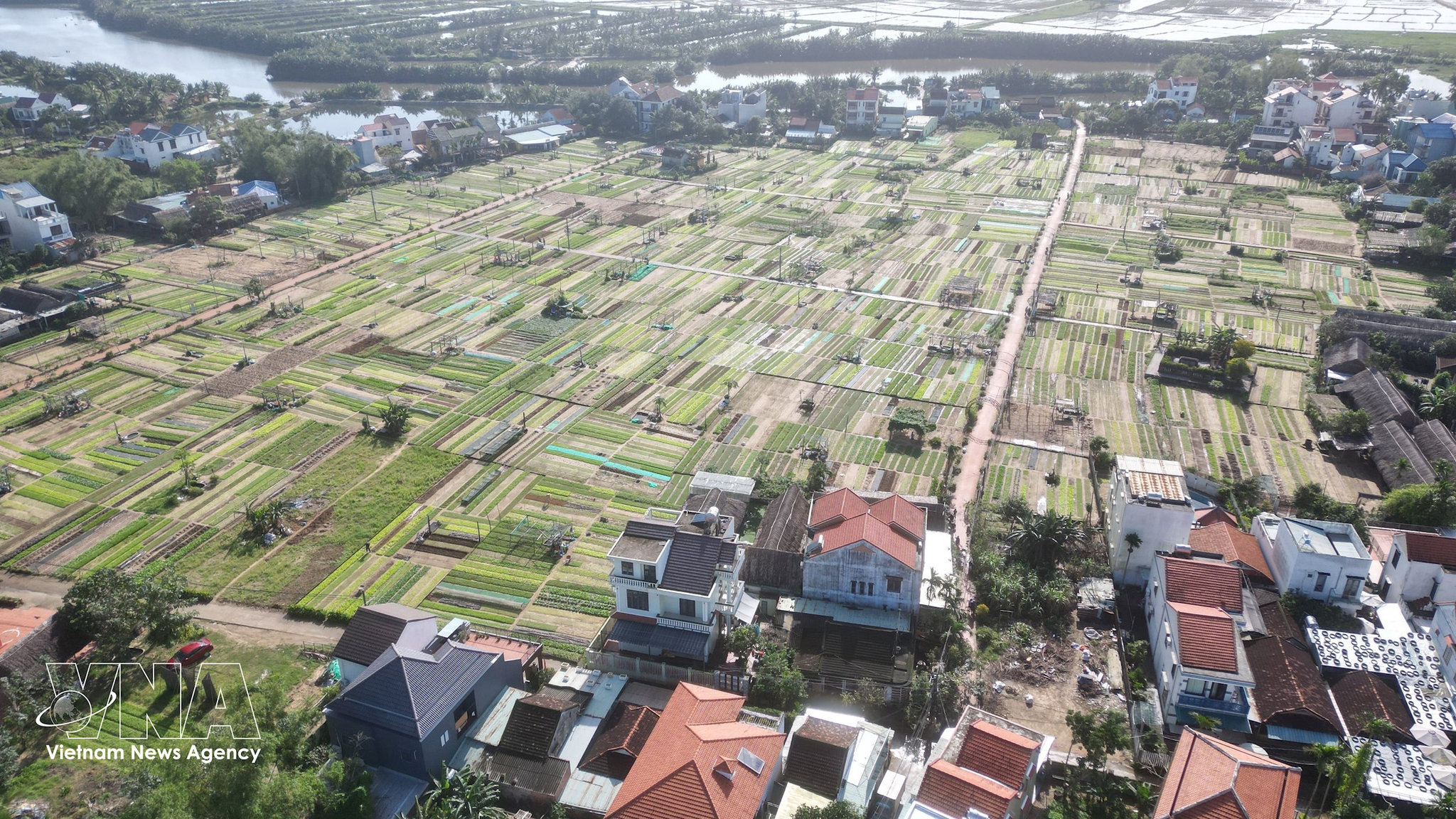
Dating back to the 16th century and located around three kilometres from Hoi An ancient town, Tra Que was named Best Tourism Village 2024 by UN Tourism.
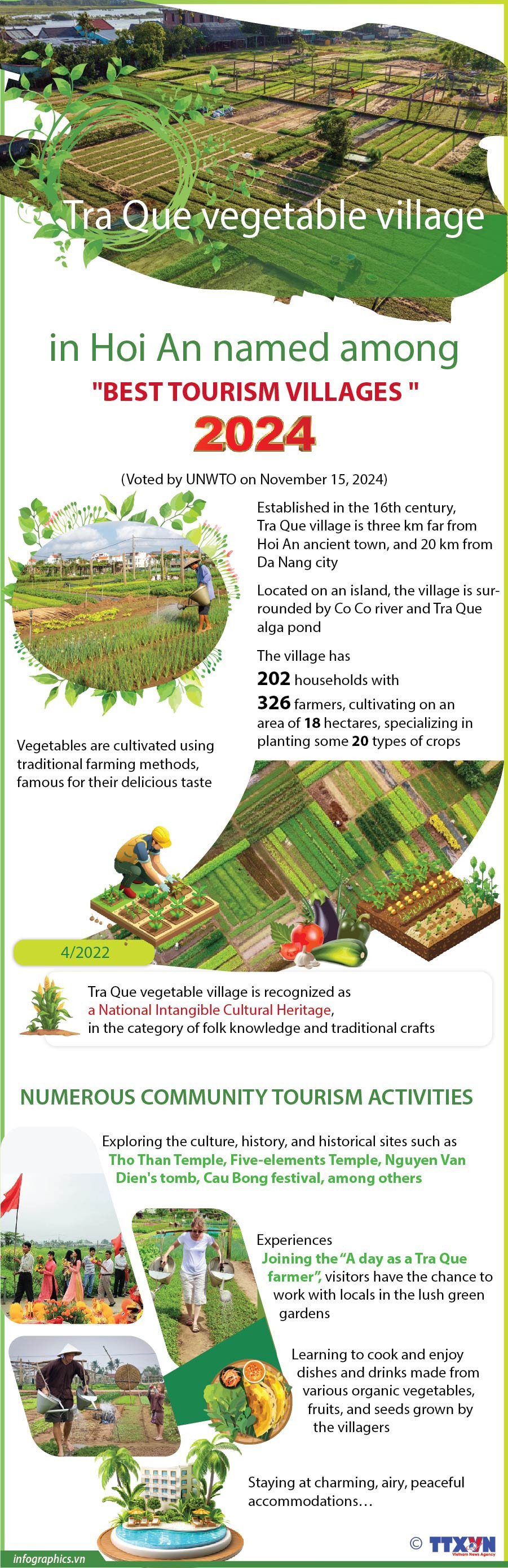
Positioned between the Co Co river and Tra Que lagoon, the village is renowned for traditional organic vegetable cultivation, supported by fertile alluvial soil and favourable weather conditions. Tra Que has retained its peaceful atmosphere, with narrow village lanes, vibrant green vegetable plots and a slower rhythm of life.
More than 200 households now combine agriculture with tourism services. Visitors can walk or cycle through the fields, take part in planting, watering and harvesting activities, or enjoy meals prepared with local ingredients.
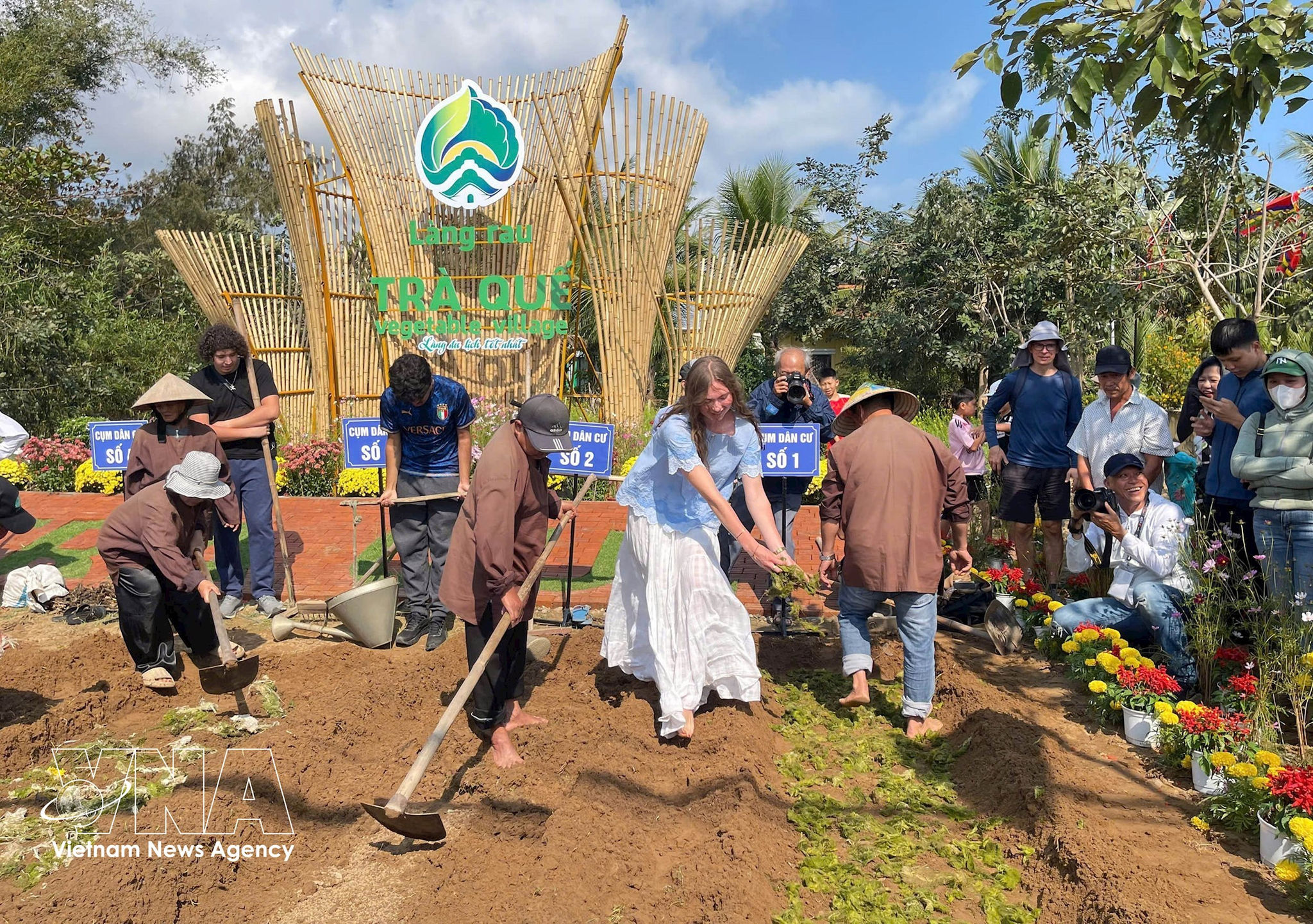
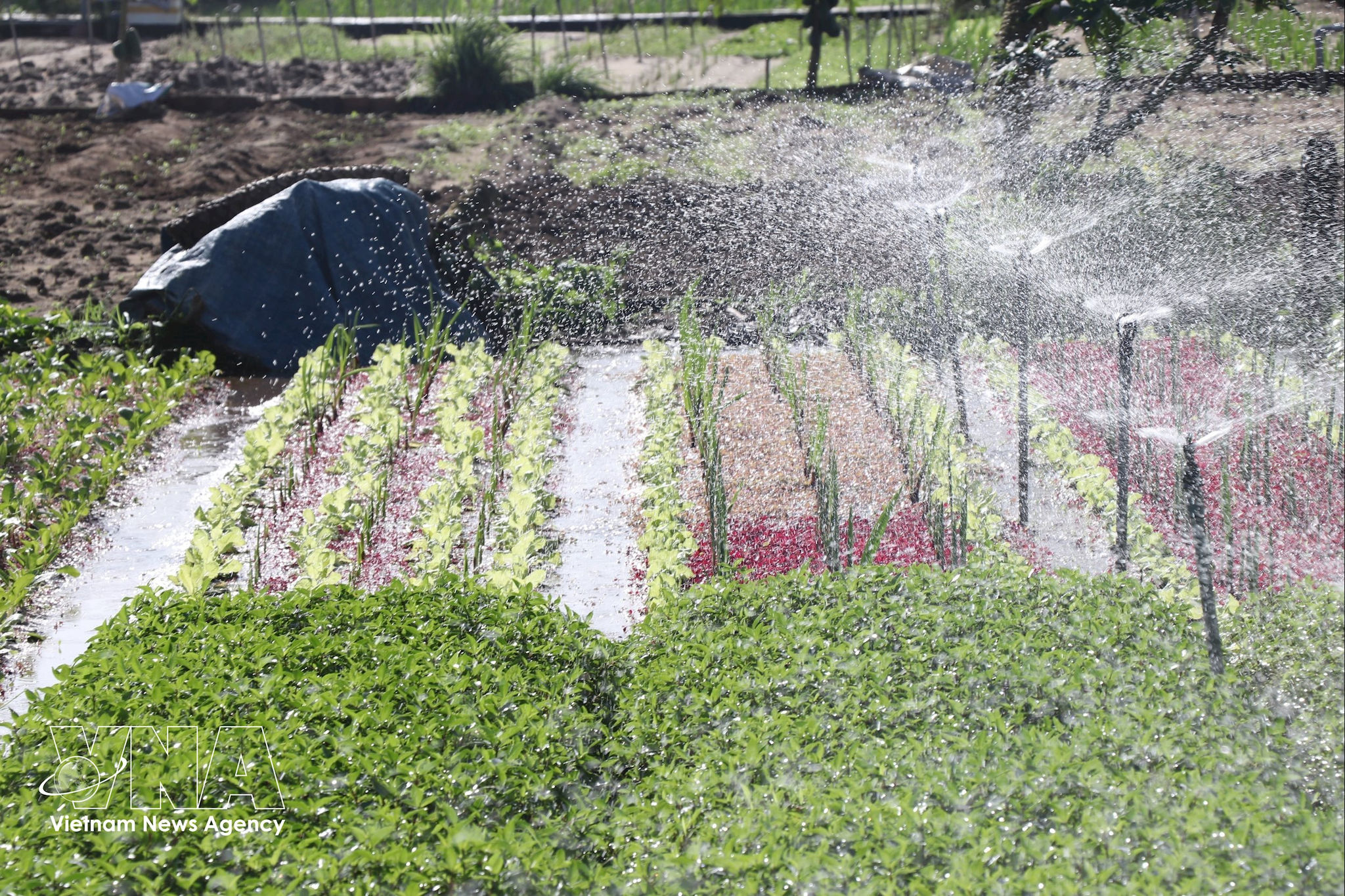
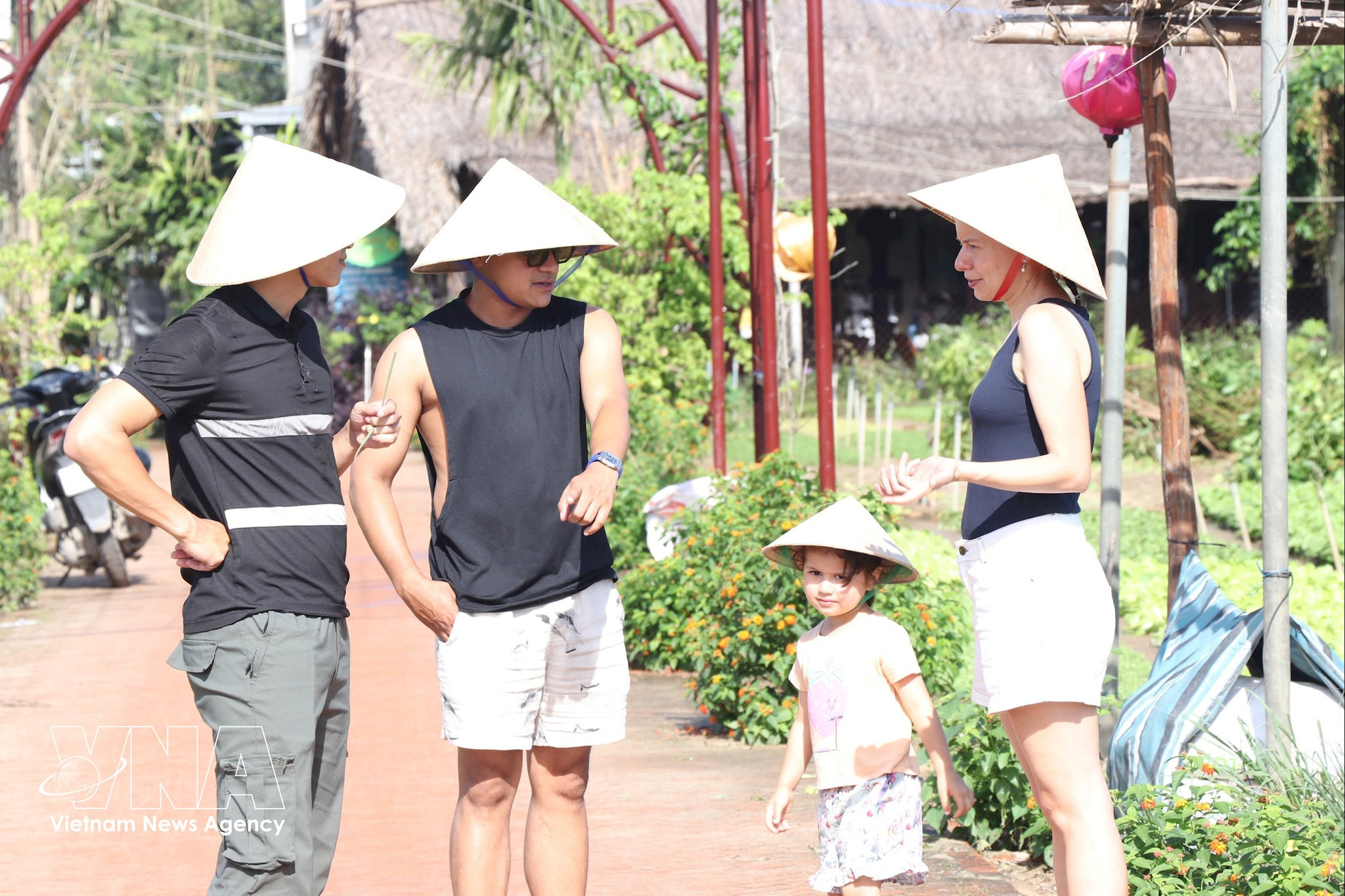
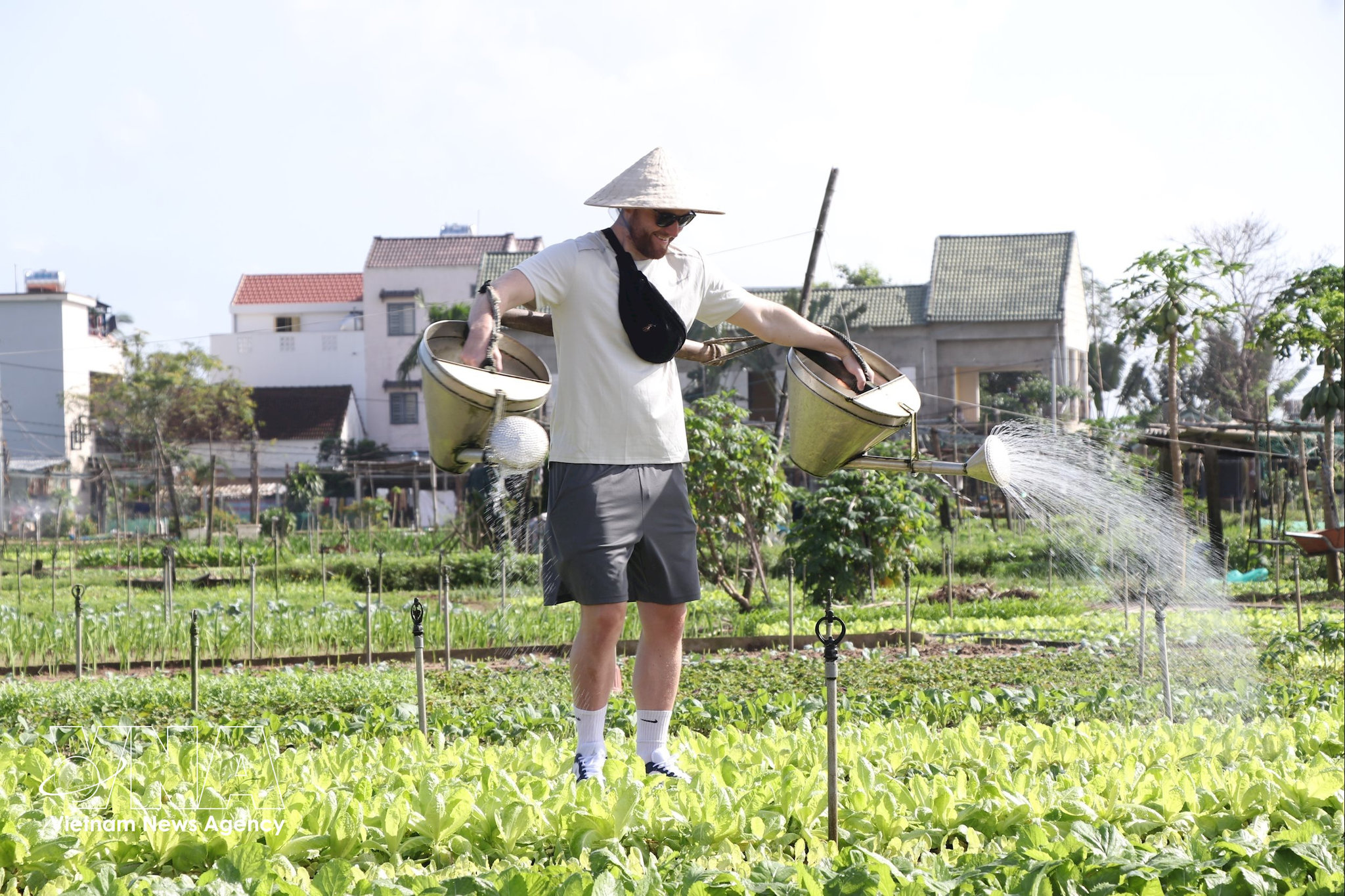
Many international travellers choose extended stays to experience rural life and gain insight into sustainable organic farming practices.
Quynh Son community tourism village (Lang Son)
Situated within the UNESCO Lang Son Global Geopark and the Bac Son Uprising national special relic site, Quynh Son has become one of northern Vietnam’s most distinctive community tourism destinations.
The village is home to more than 400 traditional stilt houses belonging to the Tay ethnic community, many of which have stood for generations. Surrounded by mountains and rice fields, Quynh Son offers a peaceful setting that reflects the identity of Vietnam’s north-eastern midlands.
Visitors can take part in everyday village life, experience agricultural work, learn traditional weaving techniques, sample regional cuisine, or climb Na Lay Peak for panoramic views across the Bac Son Valley.
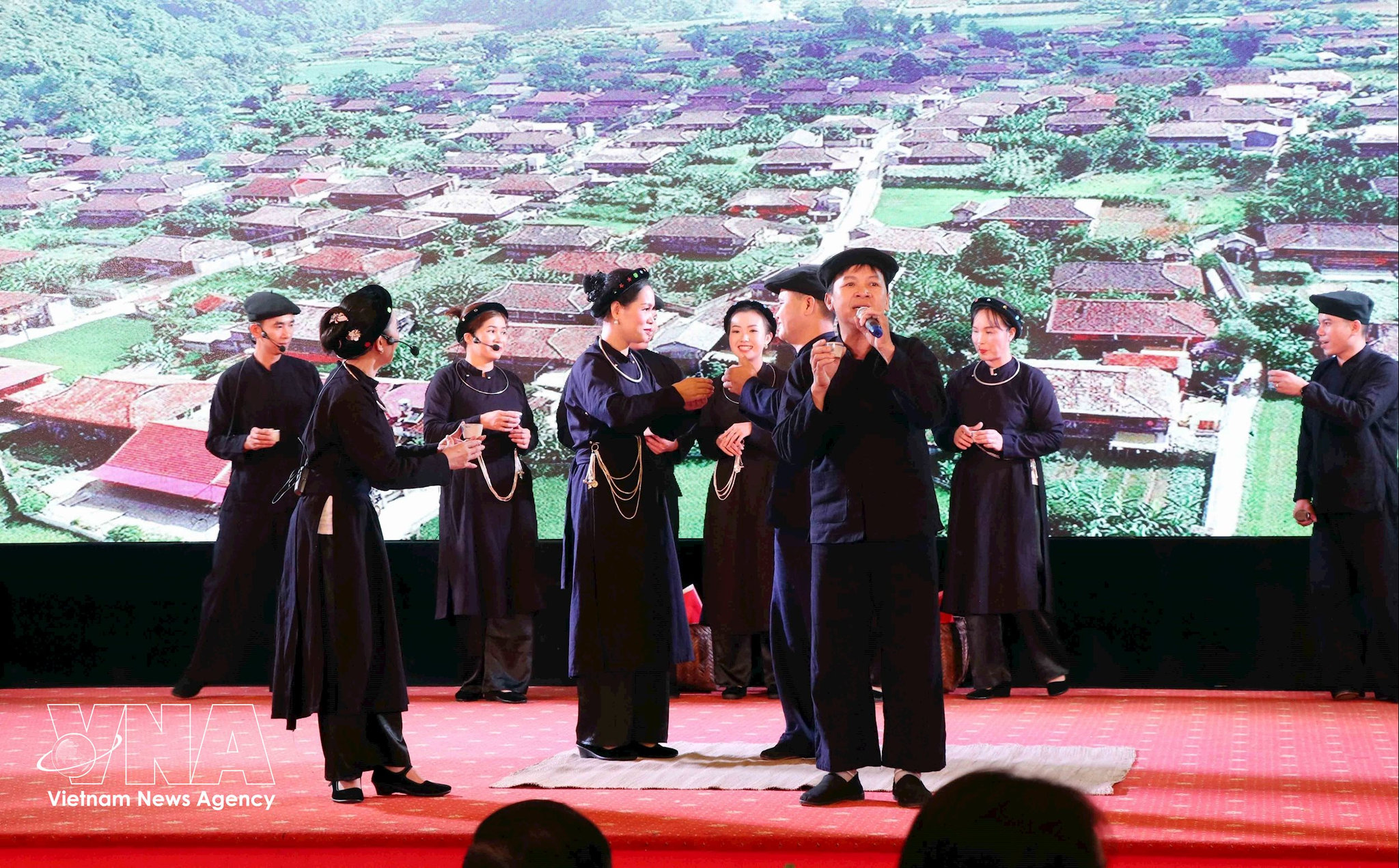
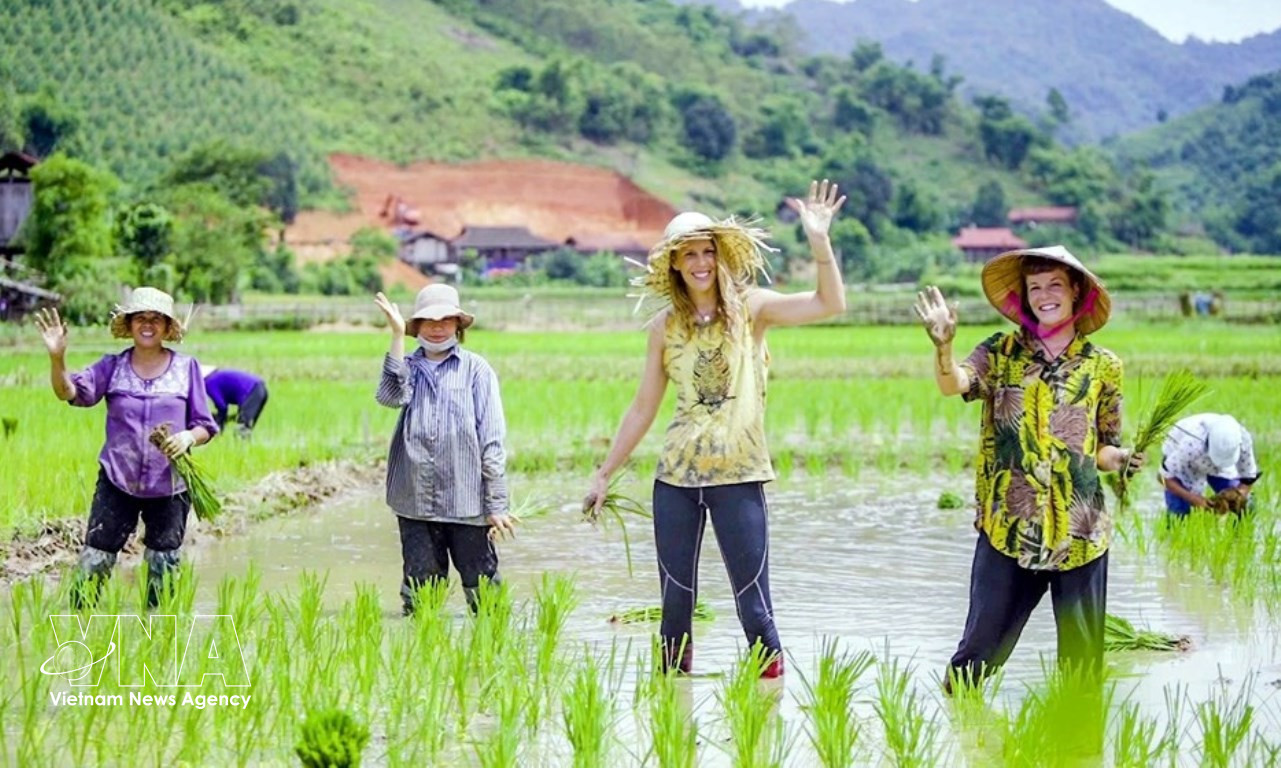
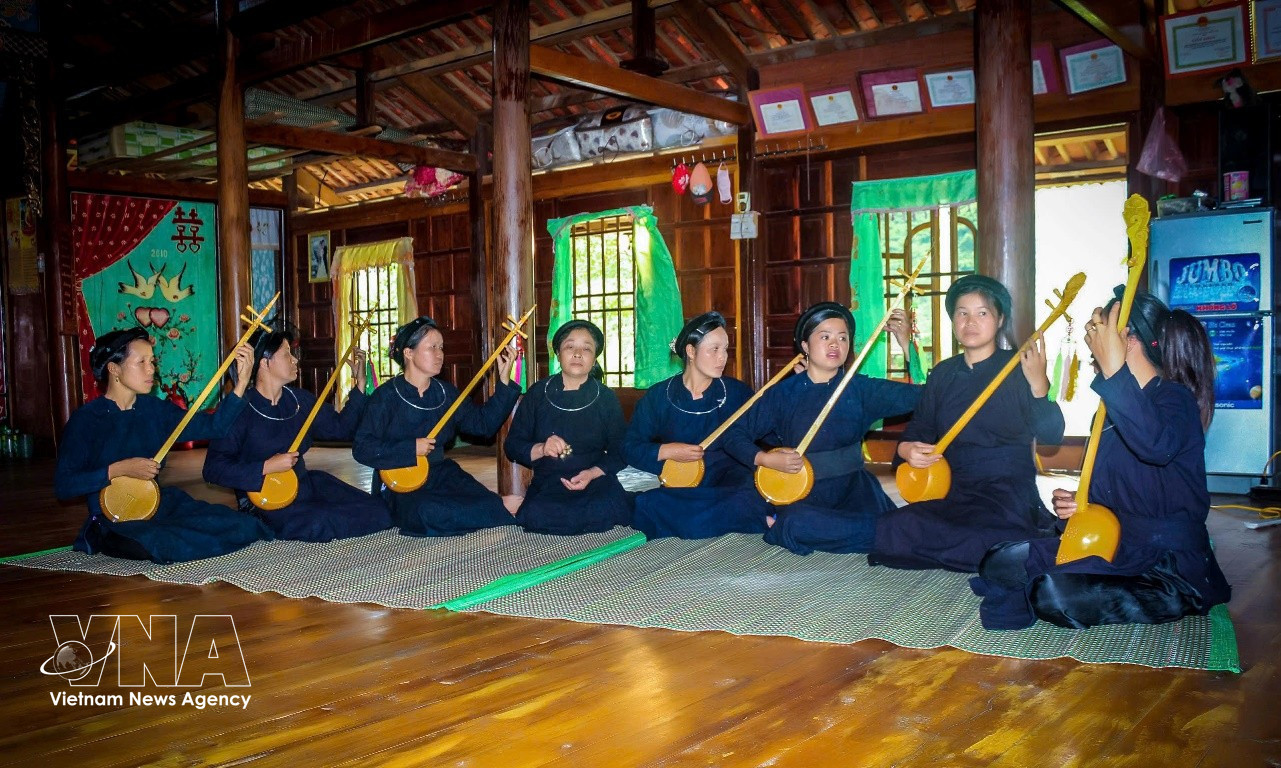
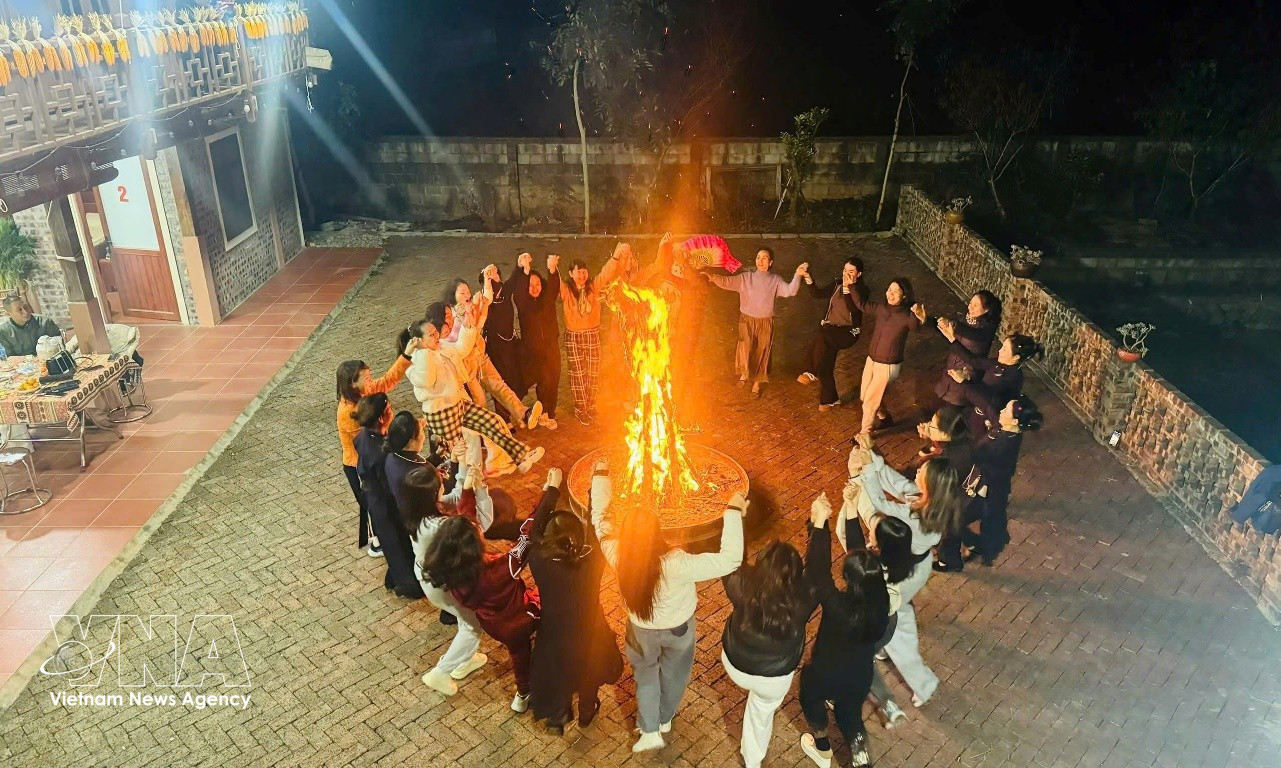
Tay cultural heritage remains highly visible through architecture, festivals and daily customs. In 2025, Quynh Son was recognised by UN Tourism as one of the world’s best tourism villages.
Kon K’Tu cultural village (Kon Tum)
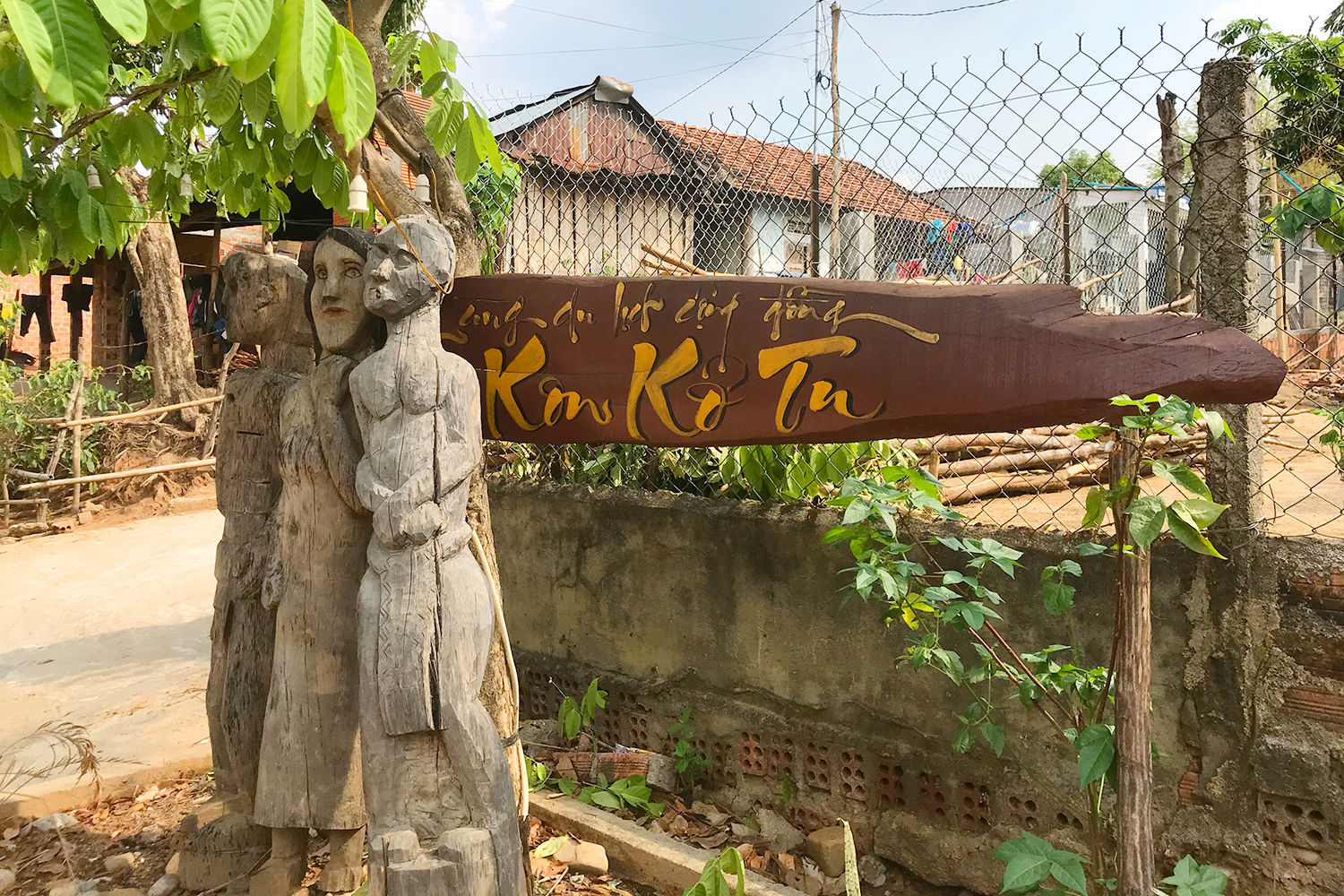
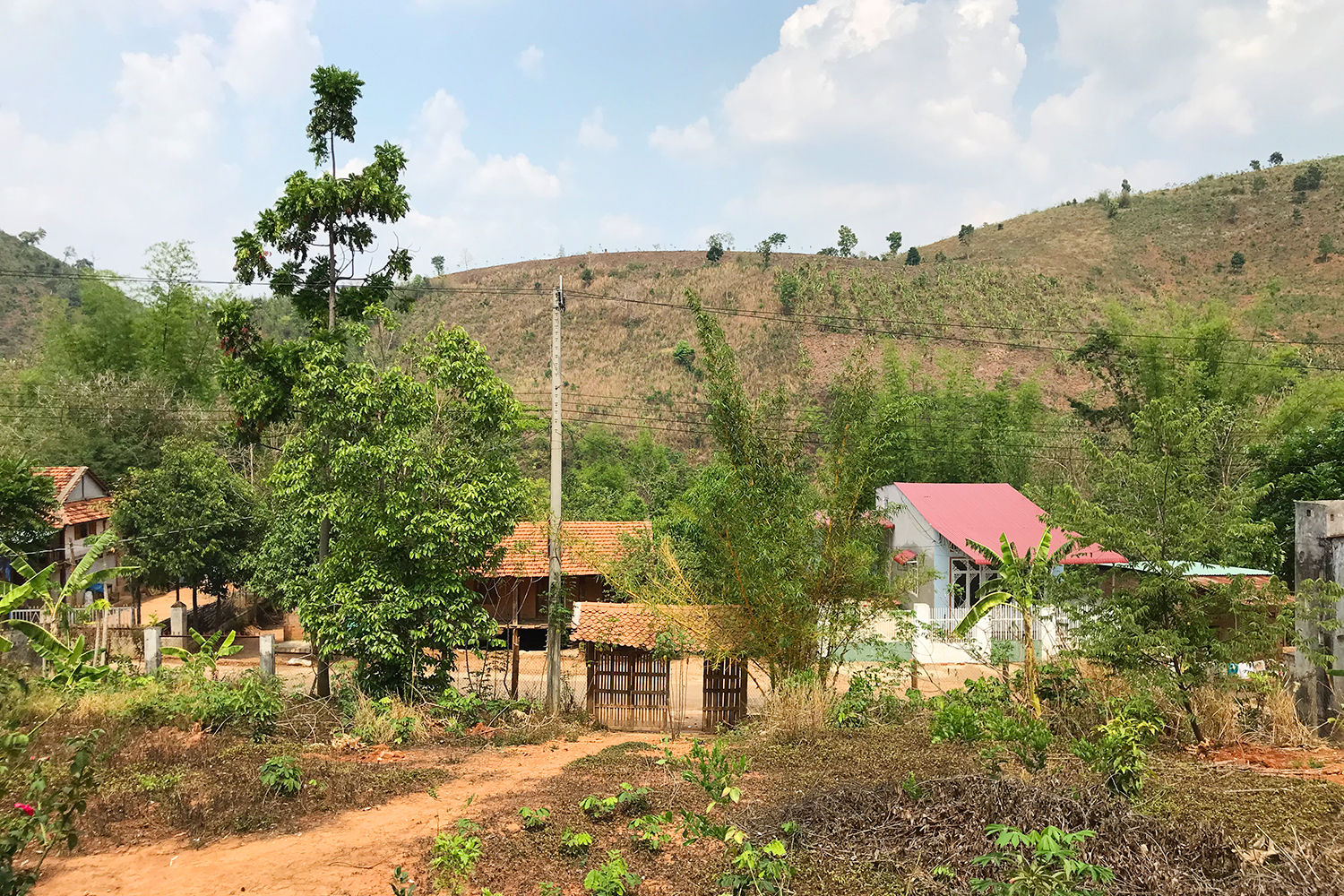
Located beside the Dak Bla River and approximately five kilometres from Kon Tum city centre, Kon K’Tu offers visitors an introduction to the cultural traditions of Vietnam’s Central Highlands.
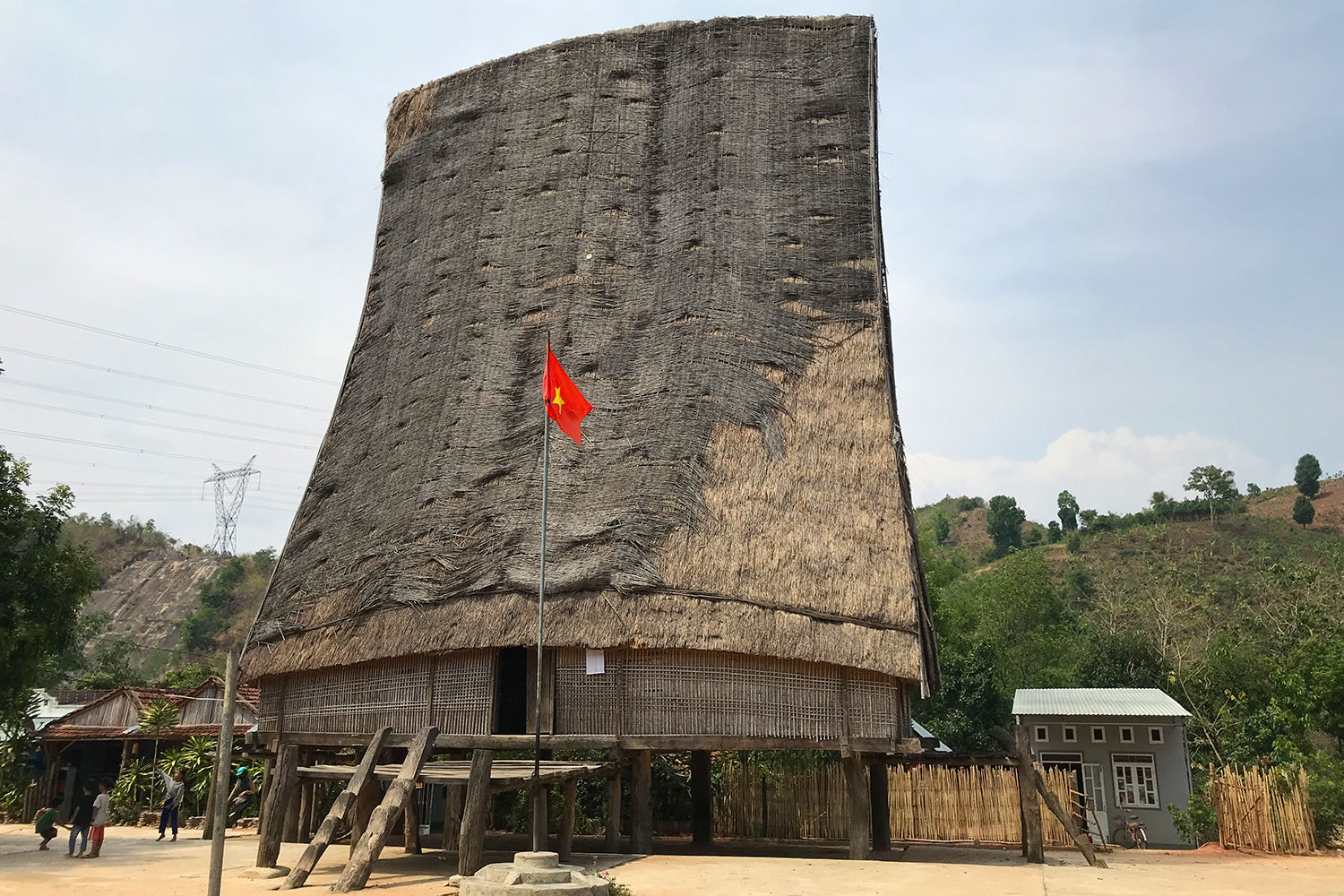
The village has preserved the traditional cultural space of the Ba Na people, including stilt houses, communal rong houses, and customs that have persevered over generations. Through community tourism, residents invite visitors to experience everyday village life.
Tourist experiences include “A Day with the Village” and “Living as a Ba Na Resident” programmes, gong performances, xoang dance, and the traditional cuisine of bamboo-tube rice, grilled chicken and river fish, alongside hands-on activities such as basket weaving and boating on the Dak Bla River.
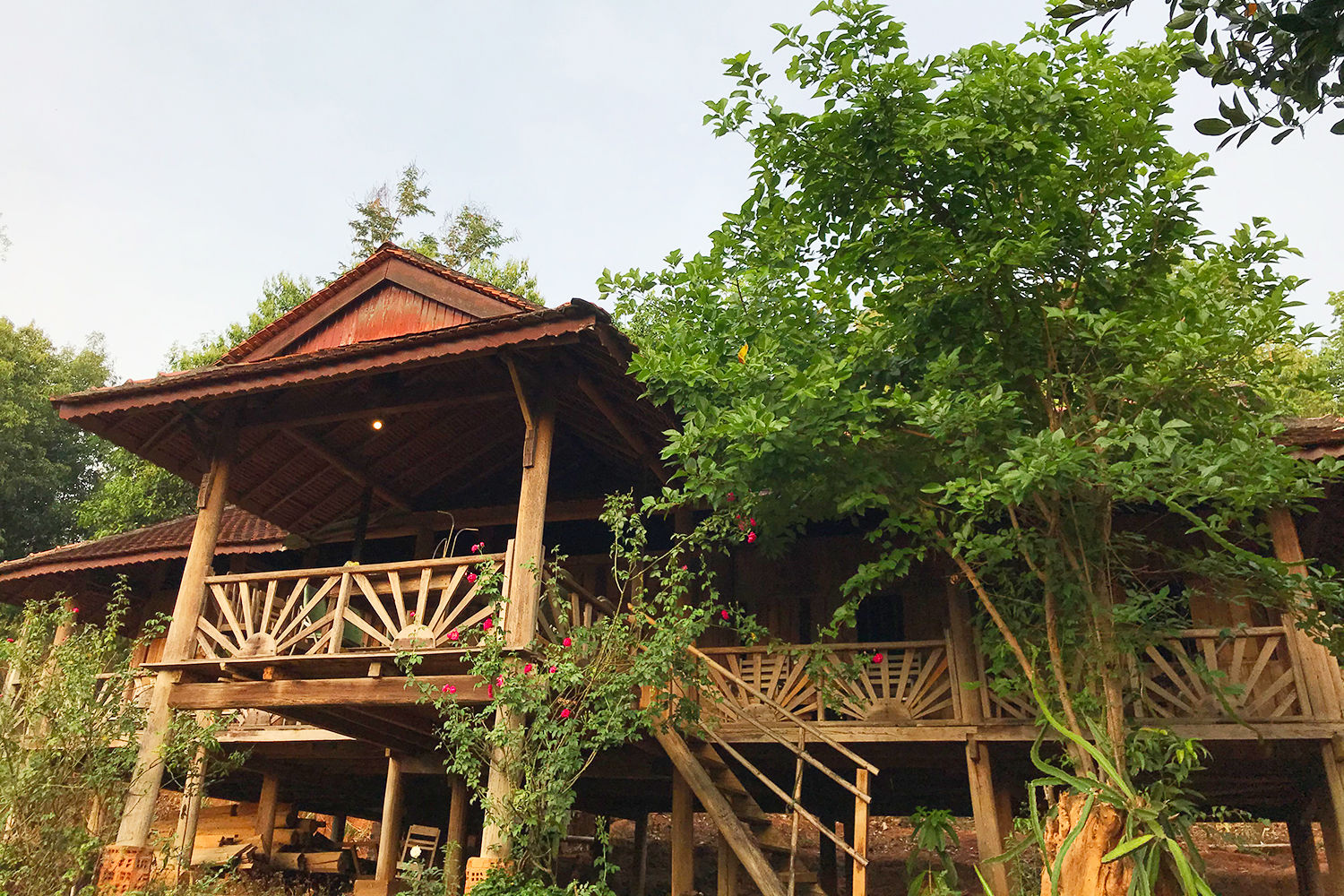
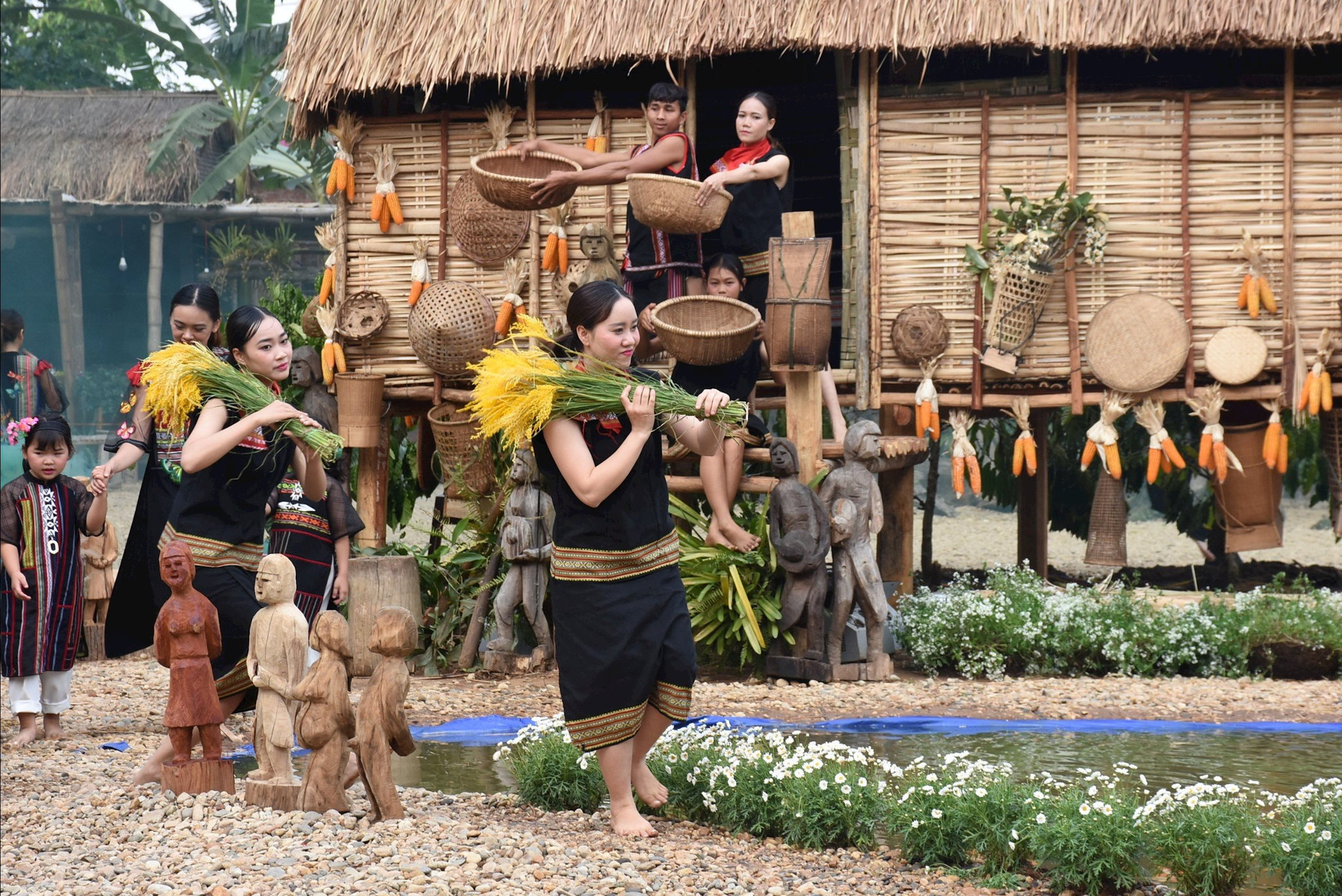
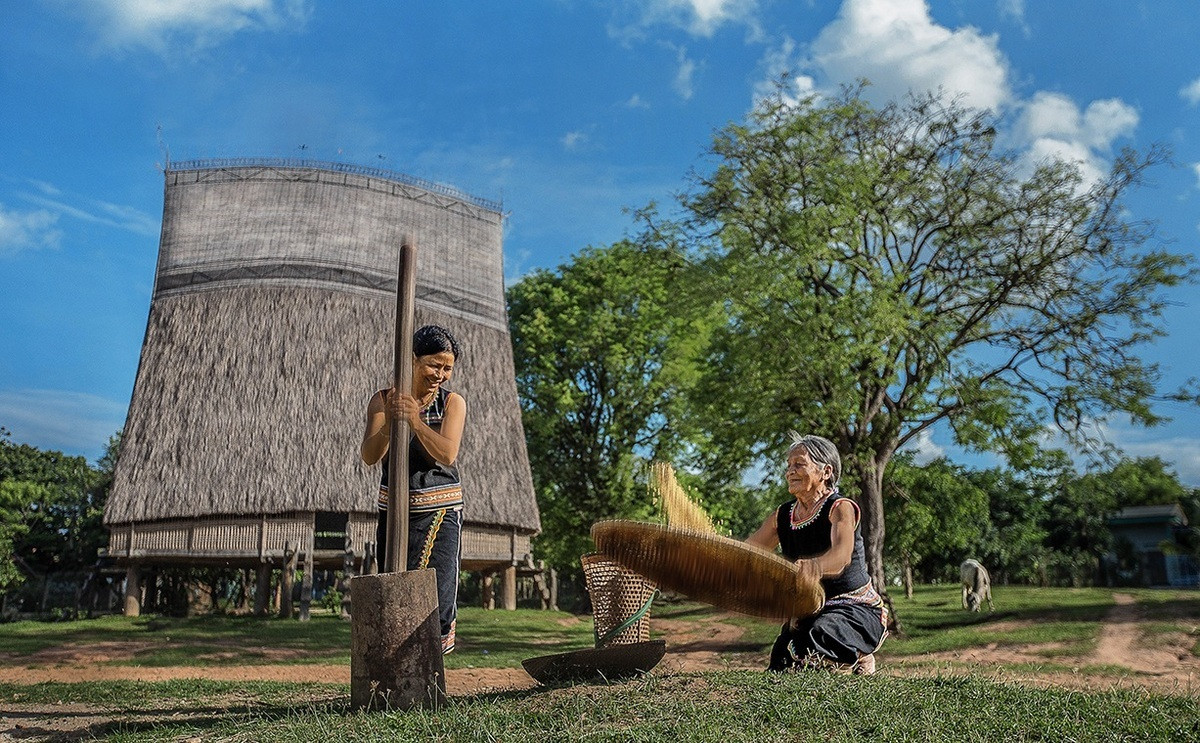
As evening falls, the rong (communal) house becomes a gathering space where gong music and xoang dance bring the spirit of the Central Highlands to life.
TThe international recognition received by many of Vietnam’s villages reflects the growing appeal of tourism rooted in local communities. From the northern mountains to the central region and the Central Highlands, each destination tells its own story of landscape, culture, and people.
At a time when travellers increasingly value authentic experiences and responsible tourism, Vietnam’s community tourism villages are becoming compelling destinations for those seeking a more sustainable, meaningful and culturally rich way to discover the Southeast Asian country./.