Amid the rapid pace of technological development, particularly the rise of artificial intelligence (AI), efforts to prevent and address online child exploitation have become increasingly complex and challenging. Building a strong protective framework for children in cyberspace has been an urgent priority, providing a secure foundation for future generations to develop safely, confidently, and creatively in an ever-expanding digital world.
Bridging gap between awareness and action
“
Children today are highly proficient in digital technologies. However, a significant gap remains between being taught about online safety and having the practical skills needed to be safe in the digital environment.
Nguyen Phuong Linh, Director of the Management and Sustainable Development Institute (MSD)
Findings from the “Voice of Vietnamese Children 2026” survey, conducted by the MSD, show that 98% of participating children use the Internet, highlighting the central role of the online environment in learning, entertainment, communication and self-expression.
Unlike previous surveys conducted in 2022 and 2024, the 2026 survey found that nine out of 10 teenagers received education on online safety. Despite this, nine out of 10 respondents reported having encountered risks online and lacked effective ways to deal with them. Linh noted that while many children can clearly identify online threats, they often struggle with how to respond when faced with them.
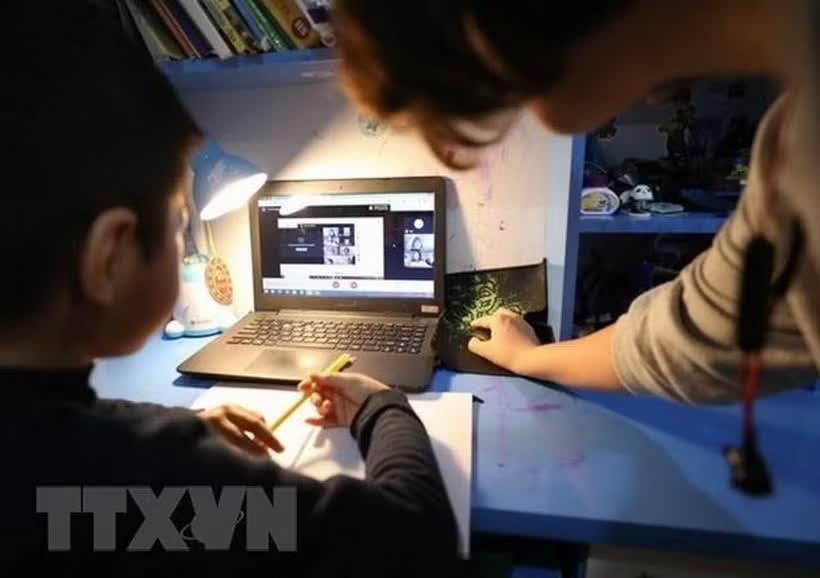
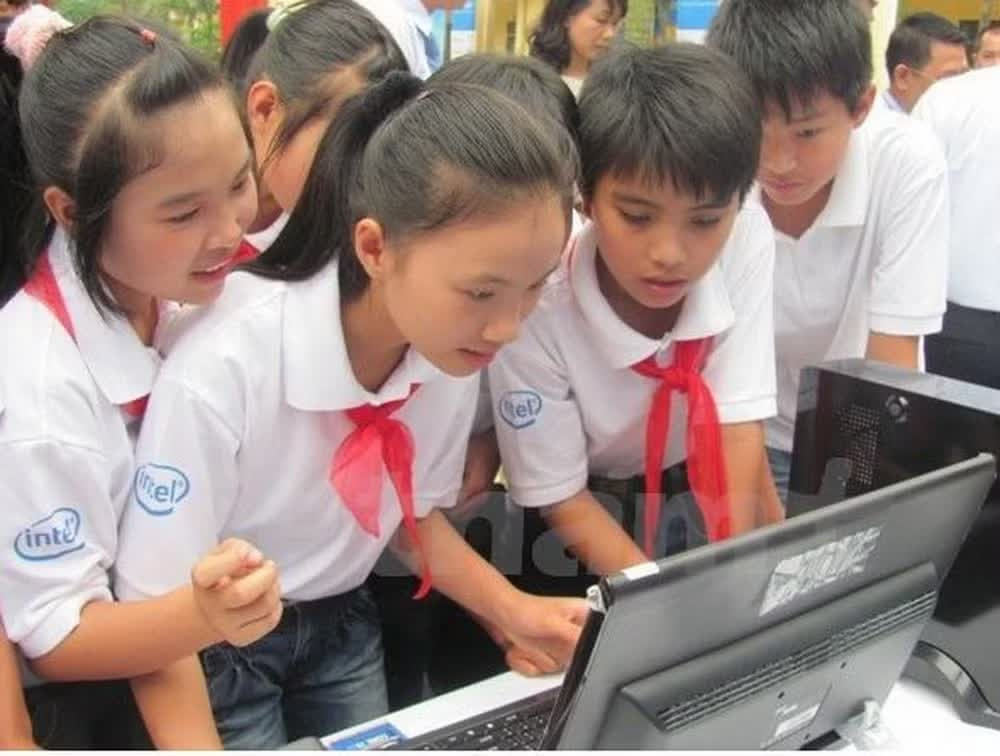
Vietnam is among the countries with the world's highest rates of internet and social media usage, with more than 72 million users, accounting for around 73% of the population. Of these, 7% are aged 13–17, while nearly 10% are between 18 and 24 years old. Photo: VNAA high proportion of children have received education and gained access to online safety awareness programmes. Photo: VNAThe internet has become an integral part of daily life, particularly for children, who increasingly rely on technology for learning and everyday activities. Photo: VNA
The survey also revealed a wide range of risks affecting Vietnamese youth, including social media and gaming addiction, online fraud, personal data breaches, eye health problems, reduced physical activity and exposure to misinformation. These risks can have long-term consequences, particularly for mental health.
Although improvements have been recorded in previous surveys, only around 20% of children seek help from parents when encountering online risks. The proportion turning to teachers stands at 15%, while just 10% contact the national child protection hotline 111. Even fewer seek assistance from local police or support organisations.
The National Cybersecurity Association and TikTok sign a memorandum of understanding (MoU) to jointly implement public communication activities on cybersecurity. Photo: VNAStudents share their views during the programme. Photo: VNA
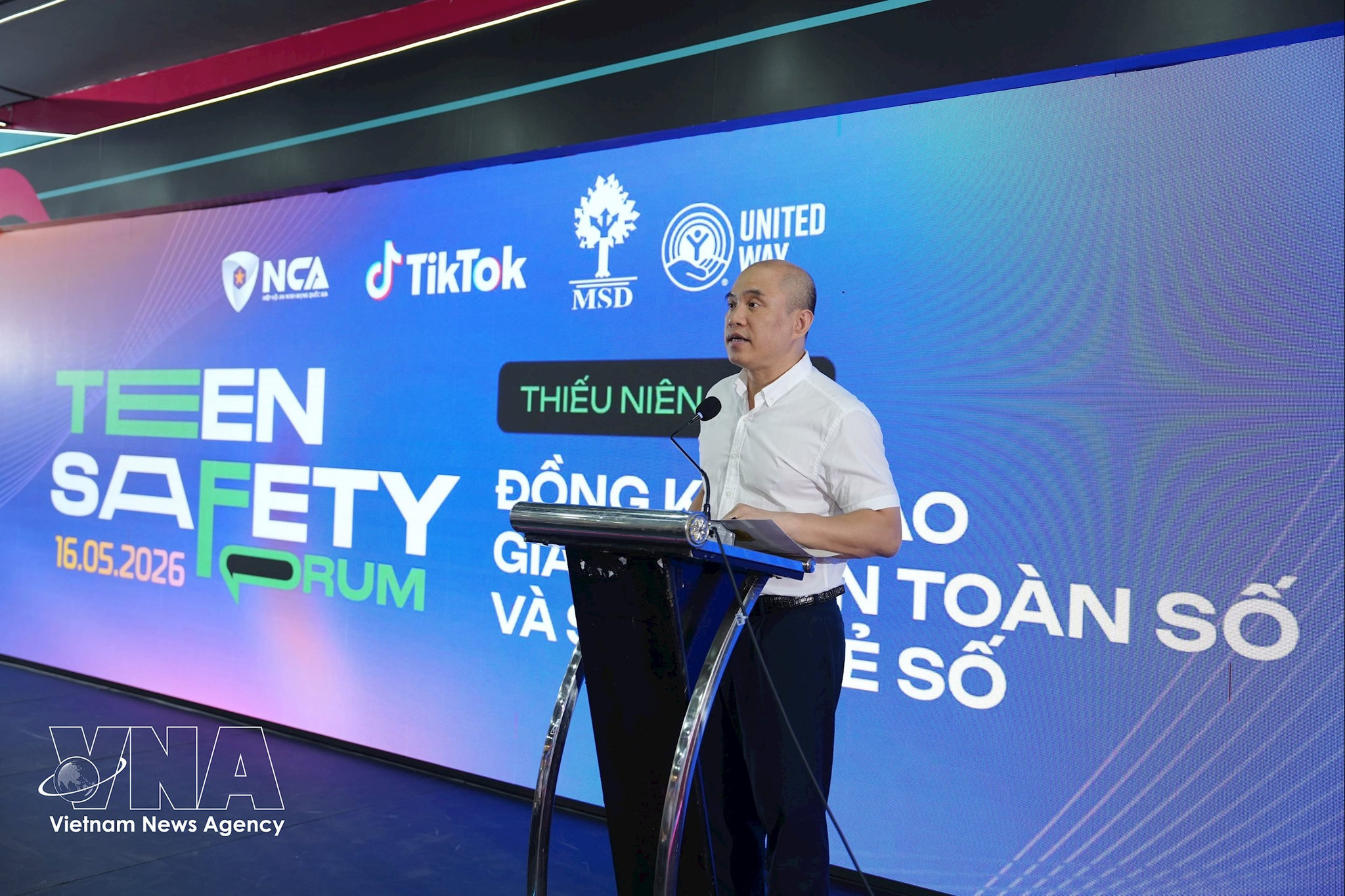
Speaking at the recent “Teen Voice 2026: Co-creating solutions for digital safety and digital well-being” programme, jointly organised by the National Cybersecurity Association, TikTok and MSD, Colonel Ha Van Bac, Deputy Director of the Department of Cybersecurity and High-Tech Crime Prevention under the Ministry of Public Security, warned that children face numerous online threats, including fraud, identity theft, privacy violations, harmful content and unsafe interactions. He also highlighted growing concerns over excessive internet use, platform dependency, emotional stress, reduced concentration, and weakened social interaction. The rapid development of AI has introduced additional challenges, such as misinformation and manipulated content, making it increasingly difficult for young users to distinguish fact from fiction.
“
Children face numerous online threats, including fraud, identity theft, privacy violations, harmful content and unsafe interactions
Colonel Ha Van Bac, Deputy Director of the Department of Cybersecurity and High-Tech Crime Prevention under the Ministry of Public Security
A shared responsibility
Protecting children online requires more than raising awareness of risks. It demands equipping them with self-protection skills, the ability to identify threats, understand personal data protection, and develop responsible digital habits.
Vietnam has adopted a range of policy measures to strengthen online child protection. Prime Ministerial Decision No. 468/QD-TTg, issued on March 23, 2026, approving the Programme on Protecting and Supporting Children in the Online Environment for 2026–2030, sets out three key objectives: expanding cybersecurity solutions to protect children online, deploying digital skills education and smart support systems in all provinces and cities, and ensuring that all child victims of online abuse receive assistance when requested by themselves, their families or the community.
At the programme’s launch ceremony in May, Deputy Prime Minister Pham Thi Thanh Tra stressed that protecting children online is no longer solely the responsibility of families, schools, or authorities, but a shared task of the entire political system and society.
“
Protecting children online is no longer solely the responsibility of families, schools, or authorities, but a shared task of the entire political system and society
Deputy Prime Minister Pham Thi Thanh Tra
Colonel Bac emphasised that parents must listen to their children, schools should strengthen digital literacy education, technology platforms need to enhance safeguards for young users, and social organisations, experts, and media agencies should help spread knowledge and promote safe online behaviour. Most importantly, children themselves should be empowered to share experiences, report concerns, and contribute to developing solutions.
Echoing this view, Linh argued that the sustainable path towards a safer online environment lies in moving from simply understanding risks to developing genuine self-protection capabilities, and from passively receiving guidance to actively participating in solution-building.
She proposed six guiding principles for supporting children online: recognising children’s right to access and use the Internet; understanding their psychological and developmental needs; accompanying them in safe internet use from an early age; helping them access support when necessary; respecting their privacy and participation rights; and always being available when they need assistance.
The combined efforts of government agencies, schools, families, social organisations, technology companies, and children themselves will help create a safer, healthier, and more inclusive digital environment for Vietnamese youth. Protecting children online is ultimately about ensuring they have the confidence, skills, and values needed to thrive in the digital age./.
Deputy Prime Minister Pham Thi Thanh Tra and delegates launch the 2026–2030 programme on protecting and supporting children's development in the online environment. Photo: VNA